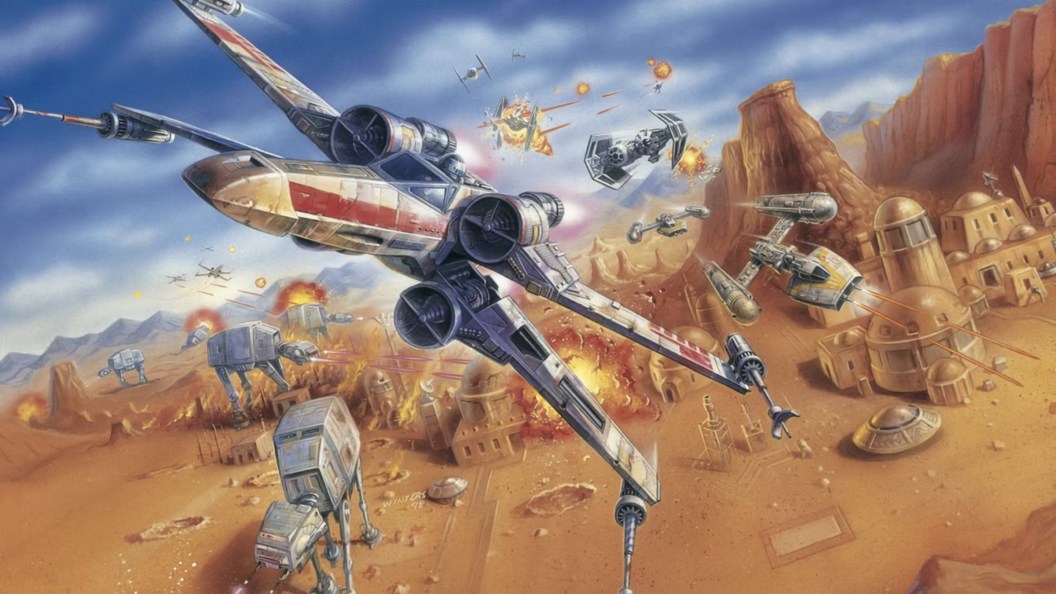
Five Confounding Aspects of X-Wings and Rogue Squadron Ships
Explore the puzzling design flaws of the iconic X-Wings and Rogue Squadron ships in this detailed analysis.
Explore how The Transformers: The Movie traumatized a generation and reshaped the franchise's future.

In simple terms, The Transformers: The Movie introduced a shocking narrative shift in an animated feature aimed at children. Released in 1986, this film did the unthinkable by killing off beloved characters, including Optimus Prime, which left a significant emotional impact on its young audience. The central question surrounding this movie is: Why would a franchise aimed at children make such a bold move?
What happened is that the film, serving as a bridge between seasons of the Transformers series, had the dual purpose of introducing new characters and reviving existing merchandise. However, it also risked alienating its core fanbase. The shocking deaths not only surprised audiences but also altered the franchise's future trajectory.
The film begins with an immediate conflict between the Autobots and Decepticons, setting the tone for a more intense experience than the usual episodic fare. Within the first 20 minutes, the film features a brutal showdown between Megatron and Optimus Prime, culminating in Optimus's heroic yet tragic death. This pivotal moment not only shocked children but prompted a public outcry that Hasbro could not ignore.
Characters like Ratchet and Ironhide also faced grim fates, an unusual choice in a series where significant casualties were rare. The intent was to create a sense of stakes and urgency, reflecting a maturing of storytelling in children's animated features. However, the emotional toll was unexpected, effectively leading to complaints from devastated fans. This back hit the studio hard, revealing a complex relationship between character choices and audience expectations.
At its core, the film was driven by Hasbro's directive to refresh the character roster and promote new toys. Although creators of the film opposed this mandate, the studio's insistence led to some of the most controversial decisions, like sacrificing fan-favorite characters. This decision was grounded in a desire to stimulate sales through new merchandise while simultaneously pushing narrative boundaries.
While these controversial decisions are confirmed, interpreting their impact leads to a deeper understanding of fan culture. The desperation for new products didn't resonate with audiences as anticipated; instead, it sparked a backlash that prompted Hasbro to revive Optimus in future installments. Classic storytelling principles suggest that character deaths should be meaningful and impactful—not simply marketing tools.
In the years following The Transformers: The Movie, the franchise faced numerous challenges. While live-action adaptations brought visual spectacles, they mostly failed to capture the emotional weight of the animated classic. The deaths in the live-action films, such as in Transformers: Revenge of the Fallen, lacked the same gravitas and felt frivolous, illustrating the gap between emotional storytelling and commercial success.
As the franchise evolved, newer films like Bumblebee and Transformers One attempted to build on the emotional foundations laid by the original movie. Notably, Transformers One managed to echo the tragic tones of the 1986 film, providing fans with a glimpse of the depth that can accompany a beloved hero's journey.
The Transformers: The Movie stands as a landmark in children's cinema. It radically changed expectations and demonstrated that animated films could tackle mature themes and significant character developments. It instigated a re-evaluation of character deaths in genre storytelling, making it clear that such choices can have far-reaching consequences.
Although newer adaptations have attempted to recreate some of this emotional resonance, none have quite matched the original's bold narrative choices. The 1986 film remains a cult classic, and its legacy serves as a reminder that storytelling can evolve and entice audiences across generations.
By confronting subject matter often shied away from in children’s media, The Transformers: The Movie not only entertained but also provoked thought on loss, heroism, and the nature of change—elements that resonate just as strongly with audiences today as they did 40 years ago.
The implications of the film's legacy are profound. Future Transformers installments continue grappling with the delicate balance of maintaining fan loyalty and introducing new characters. The emotional stakes introduced in 1986 remain a benchmark for storytelling, with the audience now more attuned to the nuances of character development. Therefore, as the franchise continues to evolve, The Transformers: The Movie serves as both a cautionary tale and an inspiration—a touchstone for storytelling bold enough to risk it all for emotional depth.
Movie explanation
EpisodeBreakdown may use automated tools to assist research, drafting, and formatting. Published pages are governed by our editorial and corrections policies, and source links are shown when they are available in the article record.
Discovery source: ComicBook.com. The source identifies where the topic was discovered; EpisodeBreakdown is responsible for the commentary published on this page.
Reader response
Reactions and poll results are based on real reader responses. No account is required.