movies
Exploring the Themes of Teenage Identity in 'Teenage
Explore the characters, themes, and potential narrative arcs in Sony's adaptation of The Legend of Zelda.
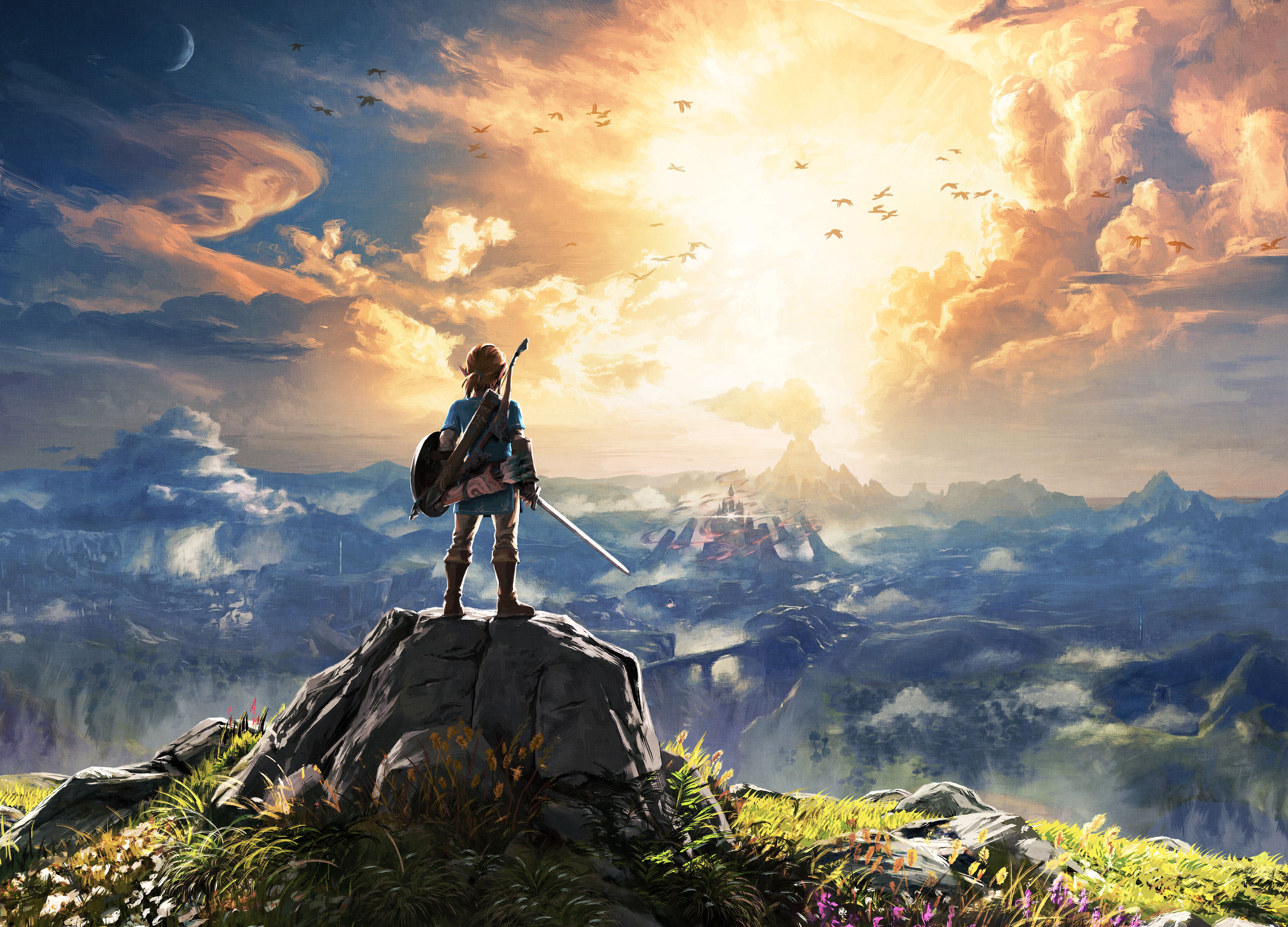
In simple terms, the forthcoming The Legend of Zelda movie from Sony seeks to answer how a beloved video game narrative can be translated into a cinematic experience. As the film approaches its release in April 2027, the adaptation aims to stay close to its source material while appealing to both longtime fans and new audiences. While details are still emerging, the casting announcements provide insights into how the filmmakers plan to portray the iconic elements of Hyrule and its inhabitants.
The confirmed cast of The Legend of Zelda movie establishes a strong foundation for character-driven storytelling. 17-year-old Benjamin Evan Ainsworth will portray Link, the hero. His previous roles in The Haunting of Bly Manor and House of the Dragon hint at his capacity to navigate complex emotional landscapes, vital for portraying Link's journey. On the other hand, Bo Bragason as Princess Zelda adds a layer of depth to the narrative, showcasing not only her as the damsel in distress but as a character with agency and strength.
Another pivotal character is Ganondorf, played by Uli Latukefu. As the film’s antagonist, Ganondorf represents the chaos and darkness that Link must overcome. His portrayal as a complex villain could enrich the overall narrative, providing a counterbalance to Link and Zelda's journey. The casting of Dichen Lachman as Impa, Zelda's bodyguard, further emphasizes the protection and legacy themes that pervade the franchise.
While the confirmed characters lay the groundwork, the film's themes will likely explore concepts of heroism, sacrifice, and the intricate dynamics of power. This thematic depth is essential, particularly in highlighting how these elements impact the relationships between Link, Zelda, and Ganondorf. A grounded portrayal, as indicated by director Wes Ball, suggests a narrative rooted in realism while still embracing the fantastical elements of Hyrule. This engagement with both sides offers a richer context for character motivations and conflicts.
Director Wes Ball's vision for a more “grounded” storytelling approach opens the door for both adventure and introspection. With an emphasis on flesh-and-blood portrayals over extensive CGI, the film aims to create a more immersive world. The emotional stakes of Link’s personal growth against the backdrop of his quest to rescue Zelda can be pivotal turning points in the narrative.
While the intricate details of the plot remain largely speculative, the chosen casting hints at classic storylines centered around the Legend of Zelda lore—Link’s journey to thwart Ganondorf and save Zelda. Given the successful adaptations of other franchises like The Super Mario Bros. Movie, audiences have heightened expectations for thoughtful, character-driven narratives that also embrace the franchise's iconic challenges and puzzles.
Reports suggest that filming has begun, with various hints emerging through set photos. For instance, the visible costumes, including Link’s infamous green tunic and the mystical decor of Hyrule, testify to a commitment to authenticity. Additionally, the cast’s diverse backgrounds could imply a fresh take—bringing together various cultural influences that enhance the story’s allure.
The successful integration of beloved game elements—such as the Triforce, dungeons, and iconic battles—will also be crucial. Fans have long hoped that the film will treat these elements with reverence. Understanding how these elements will be woven into the narrative is important and will likely affect audience reception.
Based on established lore, Link typically embarks on his journey facing trials that not only test his physical abilities but also his virtues. If the film follows suit, we can anticipate a climactic confrontation that not only resolves the immediate conflict with Ganondorf but also cements Link’s status as the hero of Hyrule. Given the historical weight of the franchise's endings, audiences will be looking for significant emotional resolutions—not just for Link and Zelda but for their kinship and commitment to Hyrule.
Similar adaptations have attempted to leverage rich lore for cinematic storytelling. For example, the narratives found in popular adaptations like Game of Thrones and even various fantasy films can offer insights into how to handle complex character arcs and multi-layered themes. This gives The Legend of Zelda a precedent for addressing its own complex narrative while offering something new and innovative.
The anticipation surrounding The Legend of Zelda movie is indicative of a broader trend in the film industry, where video game narratives are being recognized as fertile ground for compelling storytelling. As the release date nears, fans and newcomers alike will be eager to see if this adaptation lives up to the legacy of the franchise while carving out its own identity. The stakes are high, and so are the expectations. With a solid cast and thematic groundwork, the film could potentially redefine how video game stories are told on the big screen.
For more about The Legend of Zelda movie, check out our piece on Understanding Sam Neill's Final Film: The Legend of Zelda Adaptation for insights into his role as the King of Hyrule, or explore the thematic nuances further with 6 Remarkable Performances Where Actors Portrayed Family.
Movie explanation
EpisodeBreakdown may use automated tools to assist research, drafting, and formatting. Published pages are governed by our editorial and corrections policies, and source links are shown when they are available in the article record.
Discovery source: Polygon Entertainment. The source identifies where the topic was discovered; EpisodeBreakdown is responsible for the commentary published on this page.
Reader response
Reactions and poll results are based on real reader responses. No account is required.
This article dives into the key themes and character motivations of 'Teenage Sex and Death at Camp Miasma,' revealing a deeper understanding of youthful exploration.