The Amazon Horror Show Stephen King Called a 10/10 Masterpiece: 'Scared the Hell Out of Me'
Stephen King is no stranger to horror, and when he dubs a series a "10/10 masterpiece," it's practically an open invitation for fans and critics to dive in. The Amazon Prime Video series "Them" has managed to capture his praise, especially for its harrowing exploration of themes such as systemic racism and generational trauma, all wrapped in a terrifying narrative. In this breakdown, we’ll look at what makes "Them" resonate so deeply, its characters, the story setup, and where the series might headed next.
Quick Summary
"Them" is a horror anthology that intertwines the supernatural with social commentary. Set against the backdrop of 1950s America, the series offers not just scares but also a stark examination of race relations and the impact of trauma across generations. King's enthusiastic remarks serve as a harbinger of the show's chilling storytelling and character development.
Story Setup
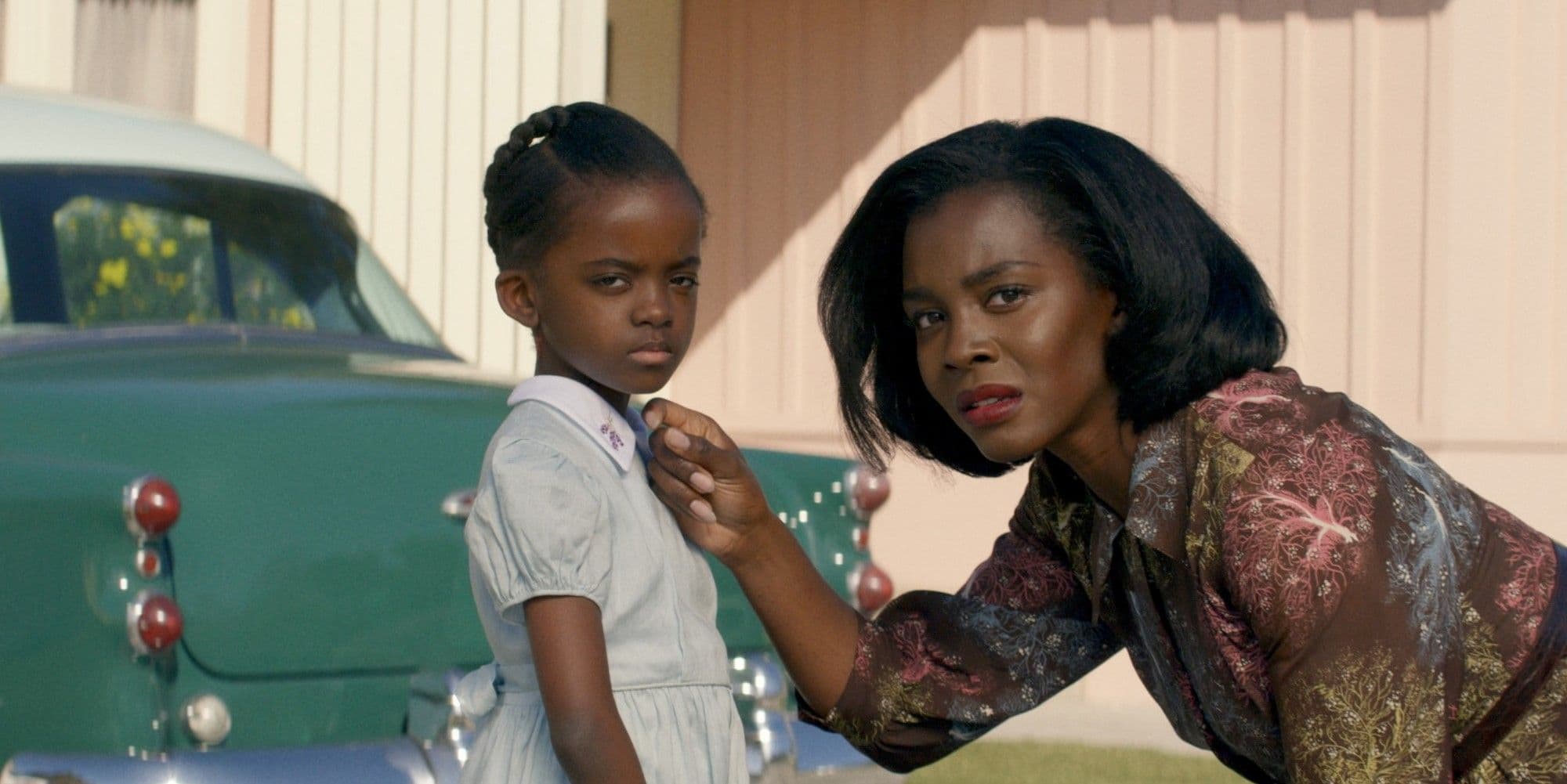
The series unfolds in a post-World War II neighborhood in Los Angeles, where an African American family, the Emorys, moves into an all-white enclave. This pivotal setting lays the groundwork for a narrative that examines both the external horror of their new environment and the internal struggles of the family members as they wrestle with their past traumas. Assimilation and terror merge as the family faces constant hostility from the community, which manifests in horrific, almost otherworldly ways.
The premise elegantly combines classic horror elements with an incisive critique of the era's societal issues, especially the systemic racism permeating through daily life. As they confront unimaginable horrors, the Emorys also grapple with personal demons rooted in their family history, making the fear palpable both from supernatural threats and stark societal realities.
Main Characters
-
Henry Emory: The father is portrayed as a figure of strength, yet he carries the weight of familial expectations and historical burdens. His experiences highlight the conflict between his ambitions and the systemic oppression he faces.
-
Lucky Emory: The mother with a strong maternal instinct; she embodies resilience and the primal urge to protect her family. Lucky's journey represents the psychological effects of trauma and the desperation to create a safe haven.
-
Ruby Emory: Their daughter, often caught between two worlds. Ruby's character is pivotal in showcasing how children absorb and reflect the fears and anxieties of their parents and society at large.
-
The Neighbors: The hostile residents of the neighborhood act as a collective antagonist, embodying the racist sentiments plaguing the community. Their actions escalate the horror, turning mundane interactions into life-threatening encounters.
Throughout the series, each character evolves, confronting their fears head-on while revealing the complexities of their humanity amid harrowing circumstances.
Ending or Latest Episode Explained
Based on available public metadata, details about the series' conclusion or the latest episode remain unspecified. However, the episodes have reportedly escalated in tension, blending intense psychological horror with poignant social commentary. The show's framework suggests that the culmination might intertwine elements of resolution for the Emorys, while also forcing the audience to grapple with the unresolved issues stemming from racism and trauma. Each episode builds suspense while allowing for momentary pauses that examine character motivations and societal implications, making the prospect of the ending especially intriguing.
What Could Happen Next
As fans speculate about future installments or a potential continuation, the thematic arcs introduced in "Them" pave the way for exploration of deeper narratives involving race, history, and psychological horror. The possibility for spin-offs focusing on different families experiencing similar horrors in varied historical contexts could expand the universe established in the first season. Moreover, addressing unresolved tensions between characters and the community could provide fertile ground for exploration, layering additional horror elements into the narrative framework.
Why This Is Trending
Stephen King's endorsement has catapulted "Them" into the spotlight, especially among horror aficionados and those interested in social issues entwined within the genre. As discussions about systemic racism and mental health continue to thrive in contemporary society, the series’ compelling narrative resonates on multiple levels, prompting conversations that extend beyond traditional horror conventions. The blend of horrifying elements with socially relevant themes is both timely and critical, making the series a focal point in societal discourse.
Final Thoughts
In a time where horror often skims the surface of human experiences, "Them" digs deep, exposing the malignant truths lying beneath the surface of society. With Stephen King’s prestigious endorsement, the series stands not just as an entertainment endeavor but also as a significant narrative on the haunting legacies of racism and trauma. As viewers immerse themselves in the chilling ambiance of the Emory family's journey, they are compelled to face the uncomfortable truths that linger in the shadows of American history. Whether you're a horror novice or a seasoned veteran, "Them" offers a haunting experience that lingers long after the screen goes dark.