3 Superhero Trilogies Better Than James Gunn's Guardians of the Galaxy
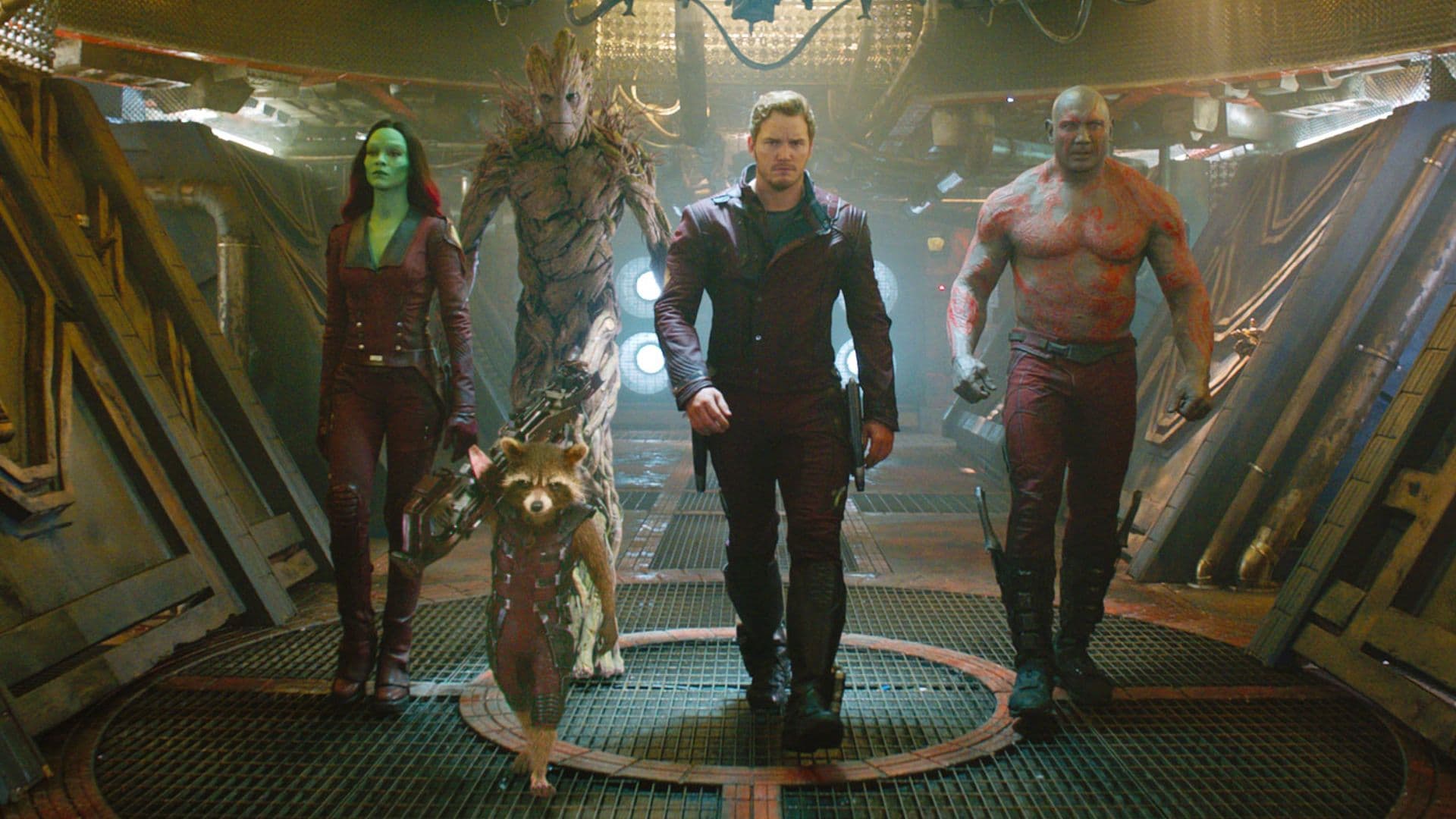
James Gunn's "Guardians of the Galaxy" trilogy has redefined what fans expect from superhero films. With a delightful blend of humor, action, and rich character arcs, it has set a high bar that many films strive to meet. However, there are several other superhero trilogies that arguably deserve recognition for their own groundbreaking narratives and character development. Here, we will explore three notable trilogies that can be considered as impactful as, or even superior to, Gunn’s masterpiece.
Quick Summary
In this article, we dive into three superhero trilogies that have made significant waves in the genre. From their well-crafted stories to compelling characters, these trilogies offer experiences that rival the "Guardians of the Galaxy" series. Join us as we break down the strengths of each trilogy and what makes them stand out.
Story Setup
While James Gunn's Guardians trilogy focuses on a ragtag team of misfits coming together to save the universe, the featured trilogies introduce complex worlds and characters, each with its styles and themes. Let's take a closer look:
-
The Dark Knight Trilogy: Directed by Christopher Nolan, this iconic trilogy redefined comic book films with darker themes and complex character portrayals. It explores not just the physical battles between good and evil but also the intricate psychological struggles faced by its protagonist, Bruce Wayne. From the origin story in "Batman Begins" to the climactic showdown in "The Dark Knight Rises," this trilogy encapsulates a journey of evolution and redemption that is unparalleled.
-
Spider-Man Trilogy by Sam Raimi: Often credited with pioneering the modern superhero genre, Raimi’s trilogy tells the coming-of-age story of Peter Parker. Spanning from "Spider-Man" in 2002 to "Spider-Man 3" in 2007, it beautifully balances superhero action with personal struggles, showcasing Peter’s relationship with Mary Jane and the ramifications of his dual life.
-
X-Men Trilogy: Also known as the original superhero ensemble film, the X-Men trilogy led by Bryan Singer examines social issues such as prejudice and acceptance through its unique characters, like Wolverine, Professor X, and Magneto. With thematic depth and engaging team dynamics, these films created a strong narrative that left a lasting impact on the superhero landscape.
Main Characters
The Dark Knight Trilogy features a deeply human Bruce Wayne/Batman, a strikingly charismatic Joker, and a complex protagonist in Harvey Dent, among others. Each character is crafted with a blend of moral ambiguity and personal struggles, providing viewers with a rich psychological tapestry.
In Spider-Man, Tobey Maguire's portrayal of the iconic hero underwent tremendous growth, juxtaposed with well-developed supporting characters like the tragic Green Goblin and the driven Mary Jane Watson. The emotional stakes in this trilogy resonate well beyond the action scenes.
Meanwhile, the X-Men Trilogy presents a diverse cast with rich backstories, which allows fans to connect with characters on a deeper level. The ideological clashes between Professor X and Magneto encapsulate broader societal debates, enriching the narrative.
Ending or Latest Episode Explained
While the current meta about James Gunn’s Guardians centers on the conclusion of their narrative arc, the endings of the discussed trilogies provide contemplation on legacy and consequence.
In The Dark Knight Rises, Bruce Wayne hangs up his cape, leaving Gotham in the capable hands of a new protector, symbolizing hope and change. This ending emphasizes the cyclical nature of heroism: that one person's dedication can inspire others.
Spider-Man 3 deals with themes of consequence, showcasing Peter's internal struggles and how love and loss shape his path forward. The ending signifies a shift, leaving audiences craving more from a character who, despite his powers, remains deeply flawed and relatable.
The original X-Men Trilogy concludes with a poignant moment that emphasizes the importance of acceptance and teamwork over individual strength, solidifying the central themes established in the narrative.
What Could Happen Next
In the evolving superhero landscape, there are whispers of potential continuations or reboots of these iconic trilogies. Fans are engaging in speculative discussions about the return of beloved characters and how modern technologies could redefine these stories.
Given the popularity of the superhero genre, ongoing multiverse explorations in cinema could lead to exciting crossovers or revival series, continuing the legacy of these influential trilogies.
Why This Is Trending
Discussion around superhero movies, particularly trilogies that compare to "Guardians of the Galaxy," has intensified as the genre continues to expand. Fans are increasingly interested in dissecting what makes a superhero movie not just entertaining but also emotionally resonant. The role of nostalgia, character development, and lasting impact are all elements that keep fans engaged.
Moreover, with ongoing projects in the pipeline and the anticipation of future installments in the superhero universe, the interest remains high. The perennial debate over which trilogies hold the most artistry and storytelling prowess adds to the excitement within the fandom.
Final Thoughts
While James Gunn’s "Guardians of the Galaxy" trilogy certainly enjoys a unique charm that has captivated audiences, the landscape of superhero films is vast and layered. The discussions around other trilogies like The Dark Knight, Spider-Man, and X-Men highlight the depth and complexity available within the genre. Each of these trilogies has its unique strengths, narratives, and characters, making them worthy contenders in the ongoing conversation about the best superhero films. As new trends emerge and stories evolve, fans can look forward to an exciting future in superhero cinema.
Ultimately, conversations about the best trilogies are subjective, rich with varying perspectives, and crucial to understanding the art and impact of superhero narratives in film.