Locarno Film Festival
4 Movies from 2008 Showcasing Hollywood's Creative Peak
Explore how four diverse films from 2008 exemplified Hollywood's bold creativity and willingness to challenge storytelling conventions.
Explore how four diverse films from 2008 exemplified Hollywood's bold creativity and willingness to challenge storytelling conventions.
2008 is recognized as a pivotal year in cinema, showcasing films that displayed Hollywood's bold creativity and willingness to break storytelling norms. Among these are The Dark Knight, Tropic Thunder, The Curious Case of Benjamin Button, and WALL-E. Each of these films not only achieved box office success but also contributed significantly to the landscape of cinematic storytelling.
Directed by Christopher Nolan, The Dark Knight redefined the superhero genre by intertwining crime drama and psychological thriller elements. The film features Batman (Christian Bale) facing the Joker (Heath Ledger), a character that embodies chaos and moral ambiguity. This conflict pushes Batman to grapple with deep ethical dilemmas against the backdrop of a Gotham City in turmoil.
Nolan's narrative is rich and layered, with serious themes regarding morality, corruption, and the consequences of choices. By prioritizing a compelling story, The Dark Knight set a new benchmark for superhero films, proving that complex narratives could thrive alongside blockbuster elements.
Tropic Thunder, directed by Ben Stiller, satirizes Hollywood’s self-absorption through the tale of a group of actors who unknowingly find themselves in real danger while filming a war epic. The film critiques the clichés and pretentiousness of the film industry, targeting award-seeking actors and profit-driven executives.
Its humor is irreverent yet insightful, demonstrating how comedy can effectively challenge industry norms while entertaining audiences. The film’s daring approach reflects the creative risks studios were willing to embrace during this era.
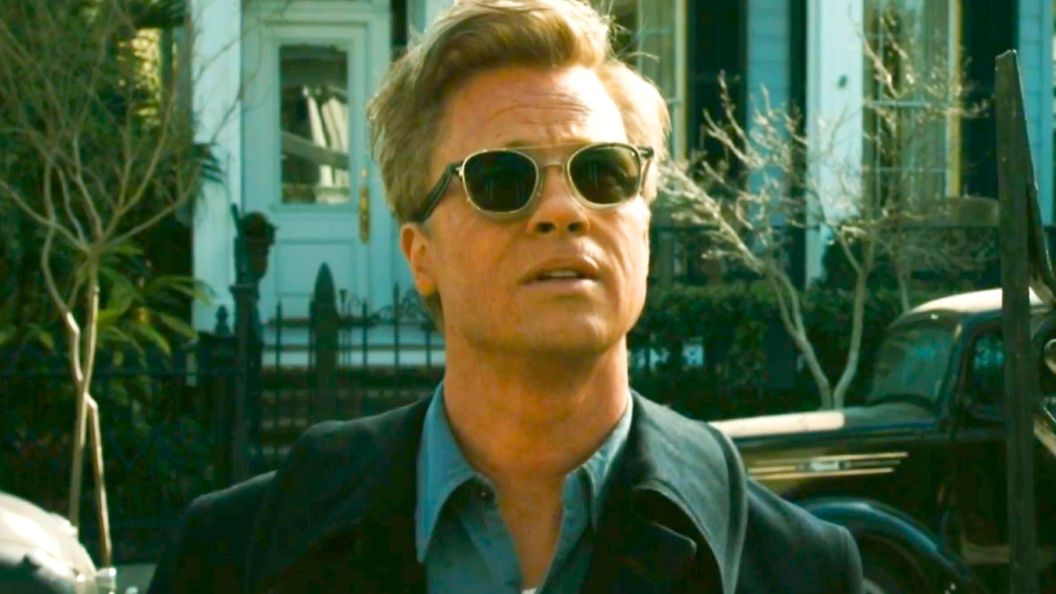
Adapted from F. Scott Fitzgerald's short story, The Curious Case of Benjamin Button, directed by David Fincher, presents an innovative narrative where the protagonist ages backward. The film delves into themes of love, mortality, and the passage of time, focusing on Benjamin's (Brad Pitt) complex relationship with Daisy (Cate Blanchett).
Fincher’s direction blends visual effects with deep emotional storytelling, enhancing the film’s themes rather than distracting from them. This balance allows the film to explore intricate concepts like identity and time in fresh ways.
Pixar's WALL-E breaks new ground by relying on visual storytelling and minimal dialogue to convey profound themes. The film follows a small waste-collecting robot on a deserted Earth, exploring consumerism and humanity's relationship with technology.
Through its almost entirely visual narrative, WALL-E tackles significant issues without becoming didactic. This approach not only showcases animation's potential for depth but also reflects the creative experimentation prevalent during that time in filmmaking.
The films of 2008 exemplify a unique era in Hollywood, characterized by artistic courage and narrative richness. Each film reflected a different aspect of storytelling, captivating audiences and redefining the parameters of various genres. Their legacies continue to influence filmmakers today, serving as a reminder of cinema's potential for innovation.
The creativity displayed in these films illustrates the importance of having the courage to explore complex themes and narratives. As filmmakers today sometimes lean toward formulaic approaches, revisiting the successes of 2008 emphasizes the value of daring storytelling. What happens next is up to the next generation of filmmakers to channel that spirit of creativity and innovation.
Movie explanation
EpisodeBreakdown may use automated tools to assist research, drafting, and formatting. Published pages are governed by our editorial and corrections policies, and source links are shown when they are available in the article record.
Discovery source: ComicBook.com. The source identifies where the topic was discovered; EpisodeBreakdown is responsible for the commentary published on this page.
Reader response
Reactions and poll results are based on real reader responses. No account is required.
Ehsan Khoshbakht curates a retrospective reflecting on Hollywood's politically charged past at the Locarno Film Festival, emphasizing the relevance today.