test
asdasd
Buffy the Vampire Slayer's journey from a 1992 film to a beloved TV series illustrates the evolution of a character now considered iconic.
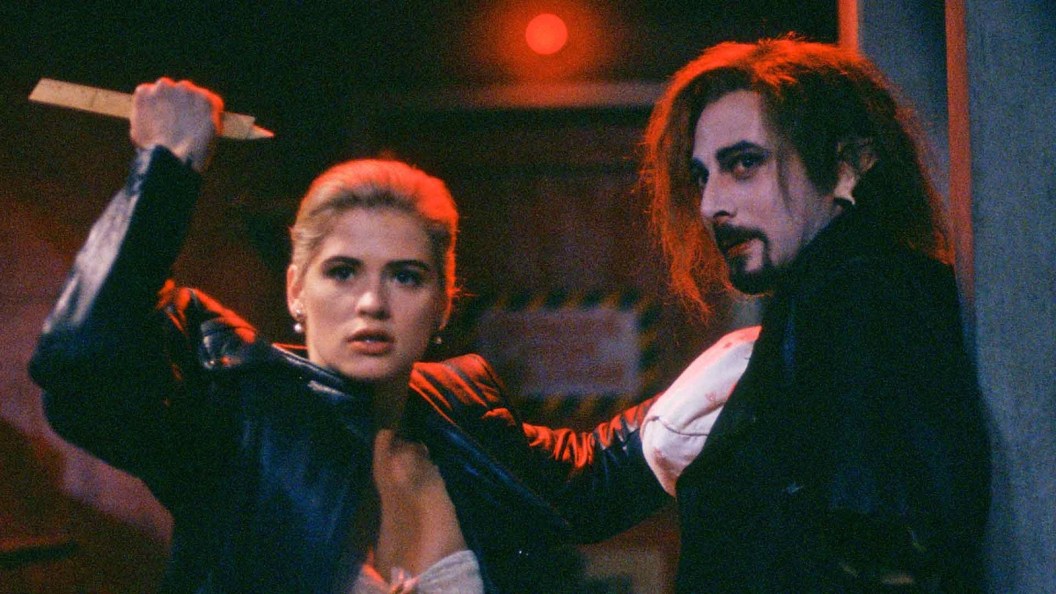
In simple terms, the journey of Buffy the Vampire Slayer began with its debut in theaters on July 31, 1992. This initial film introduced Buffy Summers, portrayed by Kristy Swanson, as a cheerleader who learns she is destined to slay vampires. However, the film fell short of critical acclaim and box office success, grossing only $16 million against a $7 million budget. What happened is that less than five years later, Joss Whedon reintroduced his character in a far superior television series that would redefine the narrative and further develop the mythos, allowing Buffy to evolve into an iconic figure in pop culture.
The original film, directed by Fran Rubel Kuzui, approached the vampire-slaying theme with a lighter, more comedic tone. Critics noted its struggle to balance horror and humor, a flaw that fans and analysts would later identify as a significant detractor from the film's authenticity. Kristy Swanson's portrayal of Buffy characterizes her as a stereotypical Valley girl, initially uninterested in her destiny until compelled to confront it. In contrast, this early iteration lacked the depth that would soon be explored in the television series.
Upon its release, the film received mixed reviews, causing a temporary setback for the franchise. Whedon's original vision faced alteration, leading to a screenplay that was more campy than the darker tones he had initially intended. The comedic quirks of some characters—even the portrayal of vampires—like Paul Reubens' performance, added to the film's incongruity. Ultimately, this compromise led Whedon to abandon the project midway, leaving both him and the character of Buffy unsatisfied with the film's execution.
Fast forward to March 1997, when Buffy took on a new life as a television series on The WB. This adaptation marked a significant transformation of the character. With Sarah Michelle Gellar in the titular role, the series not only embraced Whedon's darker narrative but deepened Buffy’s characterization, showcasing her struggles with balancing her supernatural responsibilities and everyday high school life. The incorporation of an expanded cast, the now-fabled Scooby Gang, allowed for a more complex story structure, rich with emotional narrative arcs.
The success of the television series was an exceptional turnaround for Whedon’s vision. It embraced deeper themes, offering numerous iconic episodes while introducing complex relationships and character developments that the film could only hint at. The show's exploration of subjects like friendship, love, sacrifice, and identity made it resonate with audiences, paving the way for a legacy that continues to thrive.
By reimagining Buffy as a stronger, multifaceted character, the series developed a cultural phenomenon that influenced subsequent supernatural dramas and series. Buffy became a symbol of empowerment, inspiring new generations of viewers long after the show's conclusion in 2003.
The contrast between the film and the television version of Buffy the Vampire Slayer underscores a particular truth in storytelling: sometimes, ideas need revisiting and refining to fully realize their potential. The original film exists as a foundational piece of the narrative, albeit a flawed one, paving the way for a richer, more engaging story that captivated millions. It’s a reminder that even rough drafts can lead to iconic cultural milestones.
For those interested in the transformations of beloved characters, check out other breakdowns like The Best Martial Arts Show Ever Made Is a Global Streaming Hit 25 Years Later and Hannibal: NBC's Canceled Horror Series Now Streaming on Netflix. Also, explore how Knight Rider Becomes a Streaming Sensation Decades Later.
Story breakdown
EpisodeBreakdown may use automated tools to assist research, drafting, and formatting. Published pages are governed by our editorial and corrections policies, and source links are shown when they are available in the article record.
Discovery source: ComicBook.com. The source identifies where the topic was discovered; EpisodeBreakdown is responsible for the commentary published on this page.
Reader response
Reactions and poll results are based on real reader responses. No account is required.