Zelda: The Wind Waker Has A Controversial Sequel You Might Not Remember
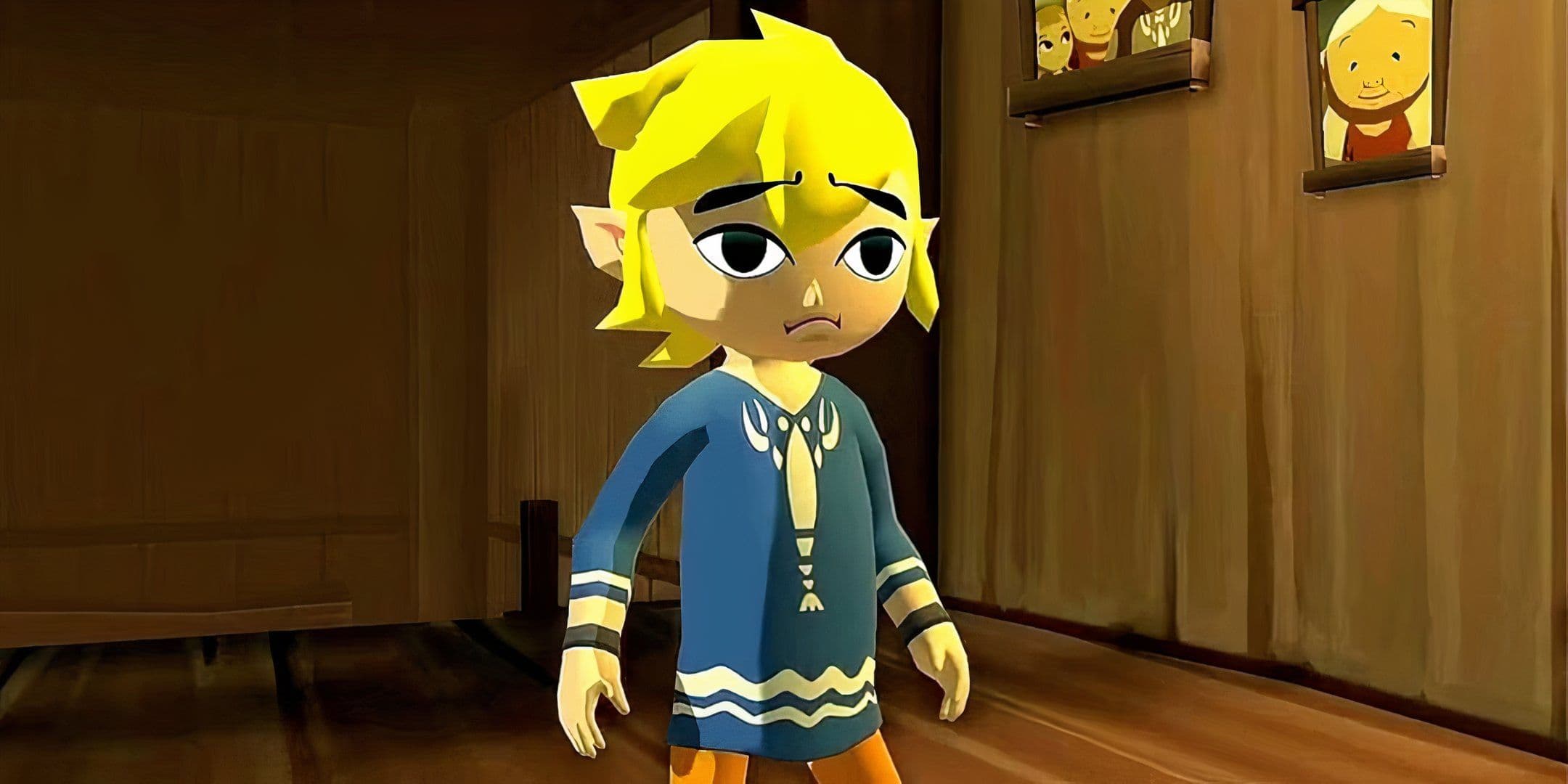
The world of gaming is filled with franchises that have left a lasting impact on the hearts of players. Among them, The Legend of Zelda series stands tall, particularly The Wind Waker, which wowed audiences with its vibrant art style and immersive gameplay. However, what many may not recall is that Wind Waker has two direct sequels, one of which, Phantom Hourglass, is often overshadowed and has become somewhat controversial among fans of the series. Dive into the details of this sequel, its reception, and why it's not as celebrated as its predecessor.
Quick Summary
In Phantom Hourglass, players reunite with Link shortly after the events of The Wind Waker. The gameplay mechanics are fresh yet familiar, utilizing the Nintendo DS touch screen features. However, while some embraced its innovations, others criticized the game's structure, particularly its reliance on a central hub mechanic and repetitive gameplay elements. This split among fans contributes to its controversial status within the Zelda franchise.
Story Setup
Phantom Hourglass continues the adventures of Link as he embarks on a quest to rescue Tetra, who has been captured by the mysterious ghost ship. The game is predominantly set in the world similar to the one in The Wind Waker, filled with islands to explore and treasures to discover. Unlike its predecessor, which featured an open sea with endless possibilities, Phantom Hourglass opts for a more whimsical feel as players navigate various islands.
One of the game's unique aspects is its story device: the titular hourglass, which serves as a countdown for players as they navigate the ghost ship. This time mechanic is one of the game’s core features, adding an element of urgency and tension. As the clock ticks, players must find a way to outsmart their foes and solve intricate puzzles that challenge their problem-solving skills.
Main Characters
Returning favorites make their appearance in Phantom Hourglass, including:
- Link: The iconic hero of the series, Link re-establishes himself as a courageous warrior tasked with saving Tetra and, ultimately, the realm. His silent demeanor, however, allows players to project their own personality onto him, a hallmark of the Zelda series.
- Tetra: Link’s companion from The Wind Waker, Tetra continues to be a pivotal character, pushing the narrative forward and emphasizing her strong-willed nature.
- Captain Linebeck: A new addition to the series, Linebeck is a charming and somewhat cowardly ship captain who assists Link on his journey. His character adds an element of comic relief and depth to the storytelling, showcasing that not all heroes fit the traditional mold.
Ending or Latest Episode Explained
As players progress through Phantom Hourglass, they uncover layers of the story, leading to a climactic showdown aboard the ghost ship. The climax not only wraps up the immediate narrative but also deepens the overall lore of the Zelda universe. Eventually, Link confronts the villain, Bellum, and rescues Tetra, thus restoring peace. Yet, the manner in which the game concludes and its reliance on familiar tropes may leave some players feeling unfulfilled.
The final moments reflect a whimsical tone, contrasting the serious stakes presented throughout the game. While Link and Tetra’s reunion is heartwarming, it is about navigating their friendship and bonds, leaving a mix of satisfaction and a slight sense of ambiguity regarding their future adventures.
What Could Happen Next
The Zelda franchise thrives on innovation and player engagement, which means Phantom Hourglass could potentially lead to new stories or remakes, even with its controversial background. Possible sequels can be imagined, inviting fresh mechanics while further exploring the themes of adventure, bravery, and camaraderie that mark the series.
Additionally, given the success of recent remasters in the Nintendo lineup, one can hypothesize that we may see Phantom Hourglass revisited through a modern lens, possibly enhancing its gameplay elements that fans once critiqued. The return of beloved characters in new narratives will likely keep the community engaged and discuss the game’s past.
Why This Is Trending
Recently, Phantom Hourglass has resurfaced in discussions among gaming communities due to its historical context within the Zelda franchise. With the ever-growing interest in remakes and the nostalgia of classic games, fans have begun revisiting its unique gameplay mechanics and storyline. Further, discussions surrounding the divergent reactions to the game highlight the evolution of gaming narratives and mechanics over time.
Moreover, the conversation leads to broader reflections on why certain games fall out of favor while others flourish. As retro gaming gains momentum, The Wind Waker’s sequel is finding new life, illustrating the dynamic relationship gamers have with nostalgia and modern expectations.
Final Thoughts
In retrospect, though Phantom Hourglass may not have gained the same adulation as its predecessor, it is essential to understand the role it plays within the larger Zelda narrative. The game’s graphical charm, character dynamics, and unique gameplay mechanics are worthy of appreciation, if not slightly divisive. As a sequel, it underscores the challenges of living up to a beloved classic, and yet, it succeeds in creating a distinct experience.
For fans of the series, both new and old, fully appreciating the evolution of the Zelda franchise's storytelling and gameplay innovation is crucial. As we continue to explore the past, Phantom Hourglass remains a noteworthy entry in Link's expansive journey that is deserving of a closer look, making it a truly fascinating piece of gaming history.