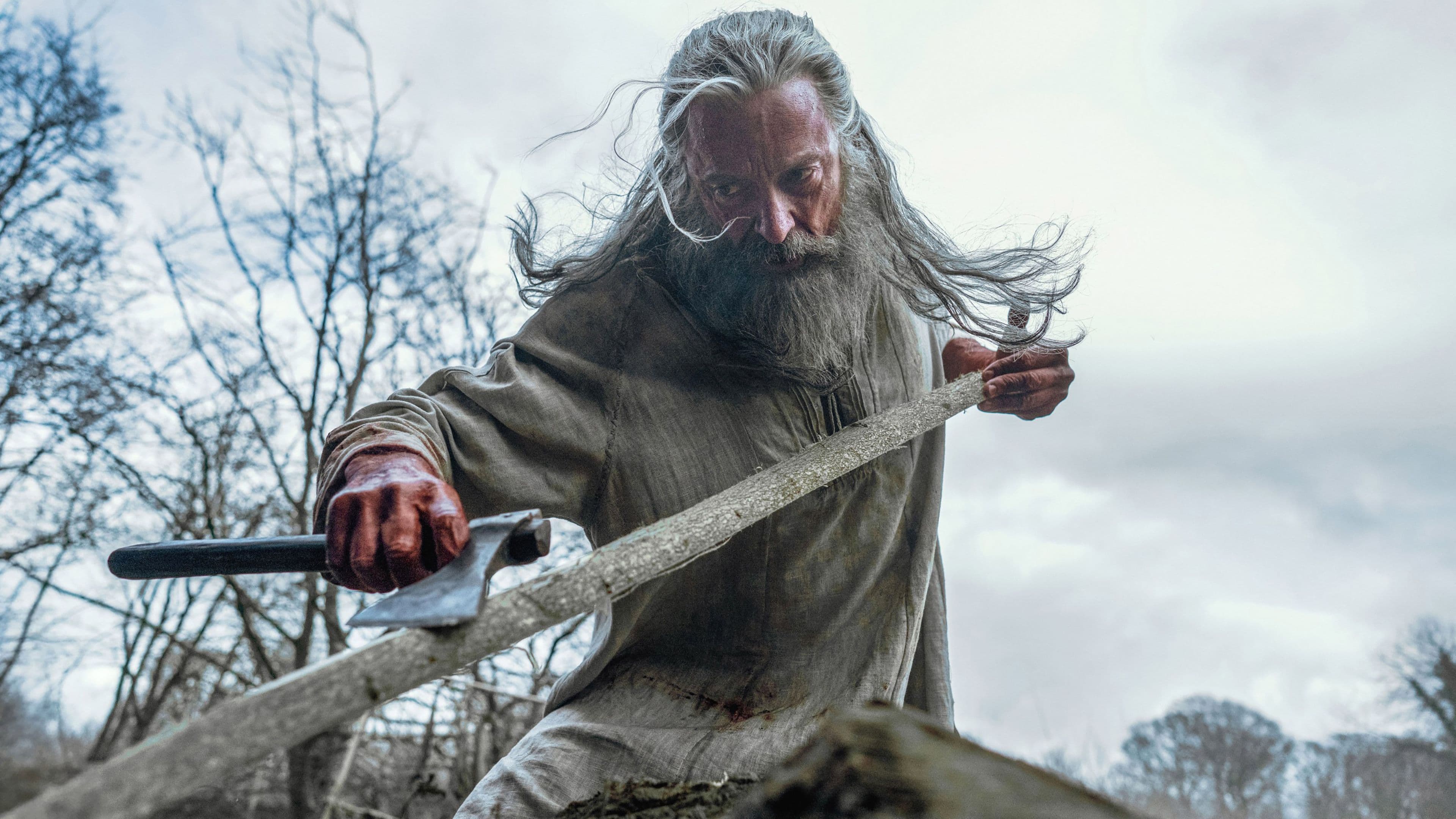
Why Hugh Jackman's Robin Hood Isn't A Hero In Gritty R-Rated Thriller
In a bold reimagining of the classic tale, Hugh Jackman takes on the role of Robin Hood in the gritty R-rated thriller, 'The Death of Robin Hood.' Unlike the playful hero we often see, this iteration challenges our perceptions and reveals deeper, darker themes that aren’t typically associated with the legendary outlaw. With direction by Michael Sarnoski, the film confronts the harsh realities of morality, society, and human fallibility, making Jackman’s character far more complex than a straightforward hero.
Quick Summary
In 'The Death of Robin Hood,' Hugh Jackman portrays a Robin Hood who embodies blurred moral lines and social commentary, set against a backdrop of violence and corruption. Straying away from the traditional narrative of heroism, the film offers a more nuanced understanding of what it means to be a hero—if one can even call it that.
Story Setup
Based on available public metadata, the film opens in a gritty, dystopian version of Nottingham where crime and corruption run rampant. Here, Robin Hood is not merely a nobleman turned outlaw—he becomes a symbol of rebellion against an unjust system. However, as the story unfolds, it dives deeper into the chaos of vigilante justice and the toll it takes on one's soul. Jackman’s portrayal sheds light on the moral ambiguity in a world where the line between good and evil is increasingly difficult to identify.
The narrative follows Robin as he gathers a band of misfits to aid him in his quest to redistribute wealth and challenge the corrupt authorities. But instead of noble missions filled with heroic escapades, audiences get a glimpse of a more disturbing quest that leaves viewers questioning the ethics of Robin’s goals. The brutality of his methods is in stark contrast to the romanticized notion of heroism prevalent in previous adaptations.
Main Characters
Apart from Hugh Jackman's multifaceted Robin Hood, the film features a cast of compelling characters that contribute to its richly layered story:
- Will Scarlet: A loyal companion torn between his friendship with Robin and his moral compass. He serves as the audience’s lens through which the tragic consequences of Robin’s quest are viewed.
- Lady Marian: Reimagined as a fierce and independent woman, benevolent yet troubled by Robin’s actions, Marian is key to portraying the impact of Robin’s decisions on those he loves.
- Sheriff of Nottingham: This character embodies the corruption of authority and serves as an antagonist to Robin. His ruthlessness starkly contrasts with Robin’s increasingly dark tactics, further complicating the narrative.
These characters, each with their own intricacies, contribute to questioning the old adage of heroes and their journeys. They provide a counterbalance to Robin's brutal justice, emphasizing that heroism often comes with a price.
Ending or Latest Episode Explained
As the story progresses toward an intense climax, audiences witness a Robin Hood who is willing to sacrifice his own friends and ethics for the sake of achieving his goals. The final act is marked by a cataclysmic showdown against the Sheriff that leaves numerous casualties and shattered bonds in its wake. This brutal confrontation serves as a culmination of the central theme: the cost of taking justice into one’s own hands. Without giving too much away, the ending subverts conventional expectations, leaving open questions about redemption and the nature of heroism. It forces viewers to grapple with the repercussions of Robin’s choices and the darkness that can lie even within a heart that initially sought to do good.
What Could Happen Next
Given the film's bold narrative choices, potential sequels or spin-offs could explore various avenues. A deeper examination of the consequences that Robin’s actions have on Nottingham could be a captivating direction. Alternately, a focus on Will Scarlet or Lady Marian could provide a fresh perspective on the events and a chance to develop narratives centered around their inner conflicts and moral dilemmas.
The film could also spark conversations about traditional hero archetypes in cinema and how they need to evolve to reflect complex societal issues. Such discussions might lead to a broader movement in entertainment, seeking to challenge the often black-and-white portrayals of heroism.
Why This Is Trending
This radical reinterpretation of Robin Hood has garnered attention for its stark departure from the well-loved legend, igniting conversations on social media about the implications of heroism in today's world. The R-rating signifies a willingness to explore mature themes, catering to audiences looking for deeper narratives that resonate with contemporary issues like corruption, class struggle, and moral ambiguity. Hugh Jackman's star power and commitment to such a layered character undoubtedly contribute to the film's intrigue, making it a topic of conversation among both critics and fans.
Final Thoughts
'Why Hugh Jackman's Robin Hood Isn't A Hero In Gritty R-Rated Thriller' challenges audiences to rethink the classic tales of yore. Through its uncompromising portrayal of Robin Hood, it emphasizes that heroic journeys can often lead to devastating consequences. This film does not provide simple answers; instead, it opens the door to profound discussions about morality, justice, and what it means to be a hero in a flawed world. As viewers, we are left not only entertained but pondering the deep philosophical questions that arise from this gripping retelling. As audiences grapple with these complex themes, the film’s critical reception promises to be as thought-provoking as its content.


