5 Western Movie Antiheroes Deadlier Than Tombstone's Doc Holliday
The Wild West was a land of rugged terrain, gunfights, and larger-than-life characters, and none were more notorious than Doc Holliday, famously portrayed as a ace gunslinger and gambler in "Tombstone". However, several other antiheroes have emerged in Western cinema, who not only match but even eclipse Holliday's deadly persona. In this article, we will dive into five such characters who have left a mark on the genre, making them memorable and far more lethal than Holliday himself.
Quick Summary
This article discusses five iconic antiheroes from Western films that can be considered deadlier than Doc Holliday. Each of these figures offers intricate backstories and gripping narratives that highlight their lethal skills and ruthless behaviors. The contrasts between these characters and Holliday will be explored, showcasing the moral ambiguity inherent in the best Westerns.
Story Setup
Western films often explore themes of morality, lawlessness, and survival. The genre is filled with characters that exist in shades of grey, making it difficult to distinguish between hero and villain. Doc Holliday embodies this tradition; he is charming yet dangerous. However, beyond Tombstone lies a tapestry of antiheroes who thrive on violence and defiance of social order.
-
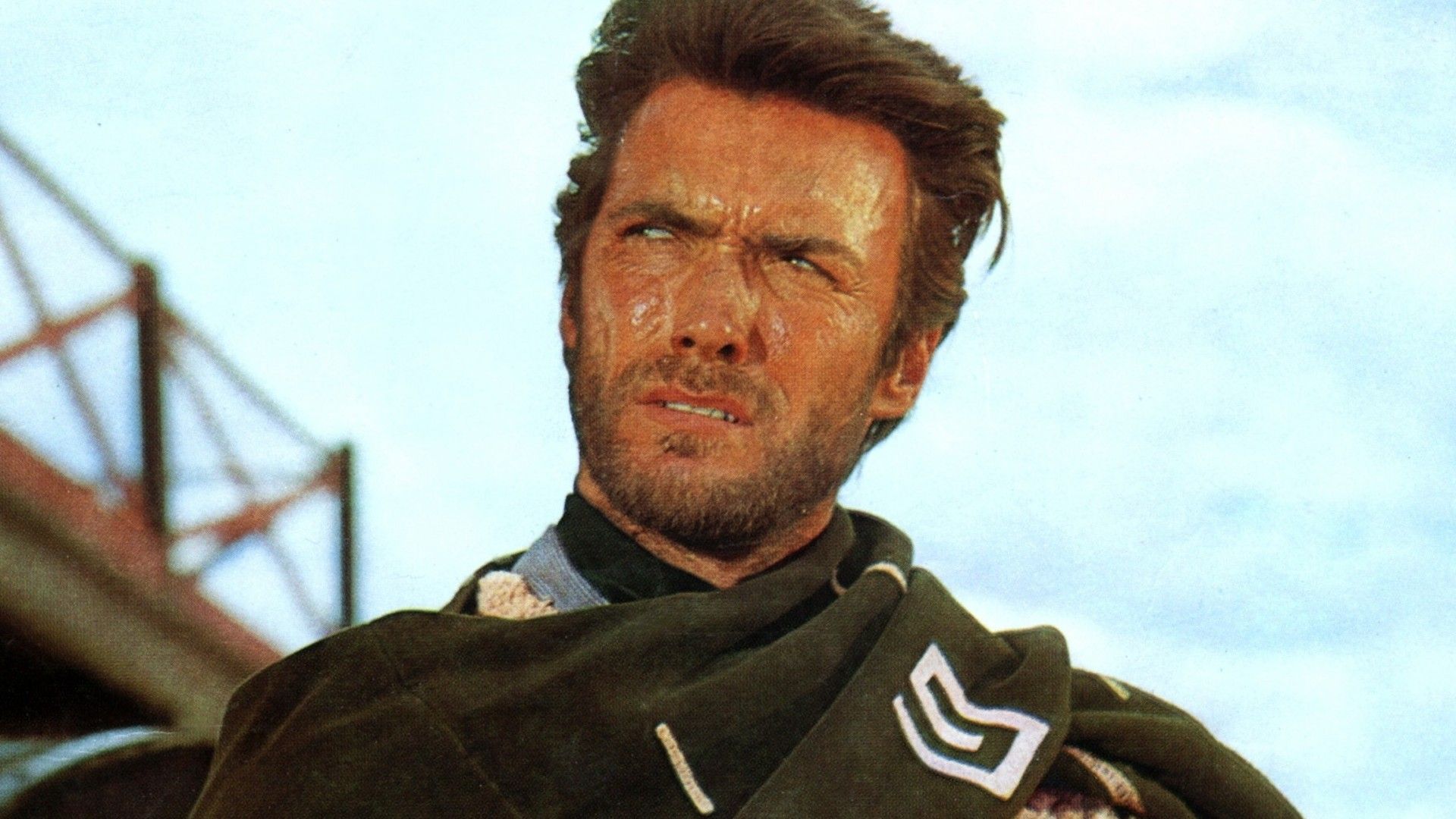
The Man With No Name - Portrayed by Clint Eastwood in Sergio Leone’s Dollar Trilogy, this enigmatic character is known for his ruthless efficiency and stoic demeanor. With minimal dialogue and maximum impact, he navigates treacherous situations with deadly precision. Unlike Holliday, who has a code of honor, the Man With No Name operates purely on self-interest.
-
William Munny - Played by Clint Eastwood in "Unforgiven", Munny is a retired gunslinger who returns to his violent past for one last job. Labeled a heartless killer in his youth, he showcases a more complex character that grapples with the consequences of his actions. Munny's transformation from a family man to a deadly force reveals the haunting legacies of violence, making him arguably more dangerous than Holliday.
-
Billy the Kid - Often romanticized in films, as seen in "Billy the Kid Versus Dracula", he was not just a notorious outlaw; he was a cunning tactician. Unlike Holliday’s calculated duels, Billy often relied on sheer audacity, making him an unpredictable force. His capability of manipulating situations to his advantage and surviving encounters with lawmen make him a standout antihero in Western lore.
-
Frank Grillo as Jackson in "The Red Road" - While not entirely the quintessential Western film, Jackson embodies the antihero archetype rooted in the genre’s motifs. He is ruthless, violent, yet intricately woven into the fabric of his community’s moral landscape, often acting outside the law to protect his loved ones. In doing so, he reflects the oft-blurred lines in defining good versus evil.
-
Jesse James - Featured in numerous Westerns, whether portrayed by Brad Pitt in "The Assassination of Jesse James by the Coward Robert Ford" or other iterations, James is iconic for his chaotic lifestyle as a notorious outlaw. His intelligence and charisma bring a deadly edge to his character, often luring others into deadly scenarios as he orchestrated robberies.
Each of these characters brings a different flavor of danger and intrigue that differentiates them from the charming yet lethal Doc Holliday. They show the varying dimensions of lawlessness in the Wild West, elevating the narrative complexity of Western films.
Main Characters
The characters mentioned above go beyond archetypical roles in Western movies. They embody varying aspects of the antihero:
- The Man With No Name reflects the lone wolf mythos prevalent in Westerns, showcasing the existential struggle against a lawless society.
- William Munny represents the consequences of violence, offering a poignant commentary on the ramifications of living by the gun.
- Billy the Kid highlights youth's audacity and unpredictability, where every move could be his last.
- Frank Grillo's Jackson shows how love can drive someone to extreme lengths, questioning the morality behind violent actions.
- Jesse James illustrates the complexity and charm of an outlaw, making viewers empathize with his cause despite his criminal ways.
Ending or Latest Episode Explained
While specific endings may vary among films, each of these characters often concludes their arcs in a way that reflects the harsh realities of their lives. They frequently face retribution or the consequences of their violent choices, serving as cautionary tales of what it means to live outside the law. Unlike Doc Holliday, whose story is often romanticized in folklore, these antiheroes leave audiences pondering the moral dilemmas surrounding justice and revenge.
What Could Happen Next
Explore the future of Western films and antiheroes as a genre. With the resurgence of Western narratives in the film industry, audiences can expect modern interpretations of classic archetypes. It raises questions about how filmmakers will choose to portray Knifemen characters in today’s socio-political landscape. Will the complexities of these antiheroes be further explored, or will the genre revert to simpler portrayals? The audience's hunger for more meaningful content could push filmmakers to delve deeply into the minds of these lethal figures. As viewers, we are likely to witness antiheroes who engage with contemporary themes, allowing the next wave of Westerns to resonate with modern audiences.
Why This Is Trending
The resurgence in interest around Western antiheroes reflects a broader societal interest in moral ambiguity and complexity in storytelling. As cultures grapple with the concepts of justice and lawfulness, audiences find themselves drawn to characters that challenge traditional narratives. Doc Holliday’s legacy in "Tombstone" generated renewed interest in Western films, resulting in discussions around iconic antiheroes, proving that even the deadliest of them continue to capture our fascination.
Final Thoughts
As we dissect the tropes and characters in Western cinema, it's clear that antiheroes bring an essence of unpredictability and depth that keeps audiences invested. While Doc Holliday remains an iconic figure, these five Western antiheroes redefine the lethal charm we associate with the genre. Their complex narratives offer not only action-packed sequences but also moral reflections that resonate with viewers, securing their legacy as enduring representations of cinematic violence. The Wild West may be long gone, but the tales of its deadliest figures continue to thrive, illustrating the timeless appeal of antiheroes.