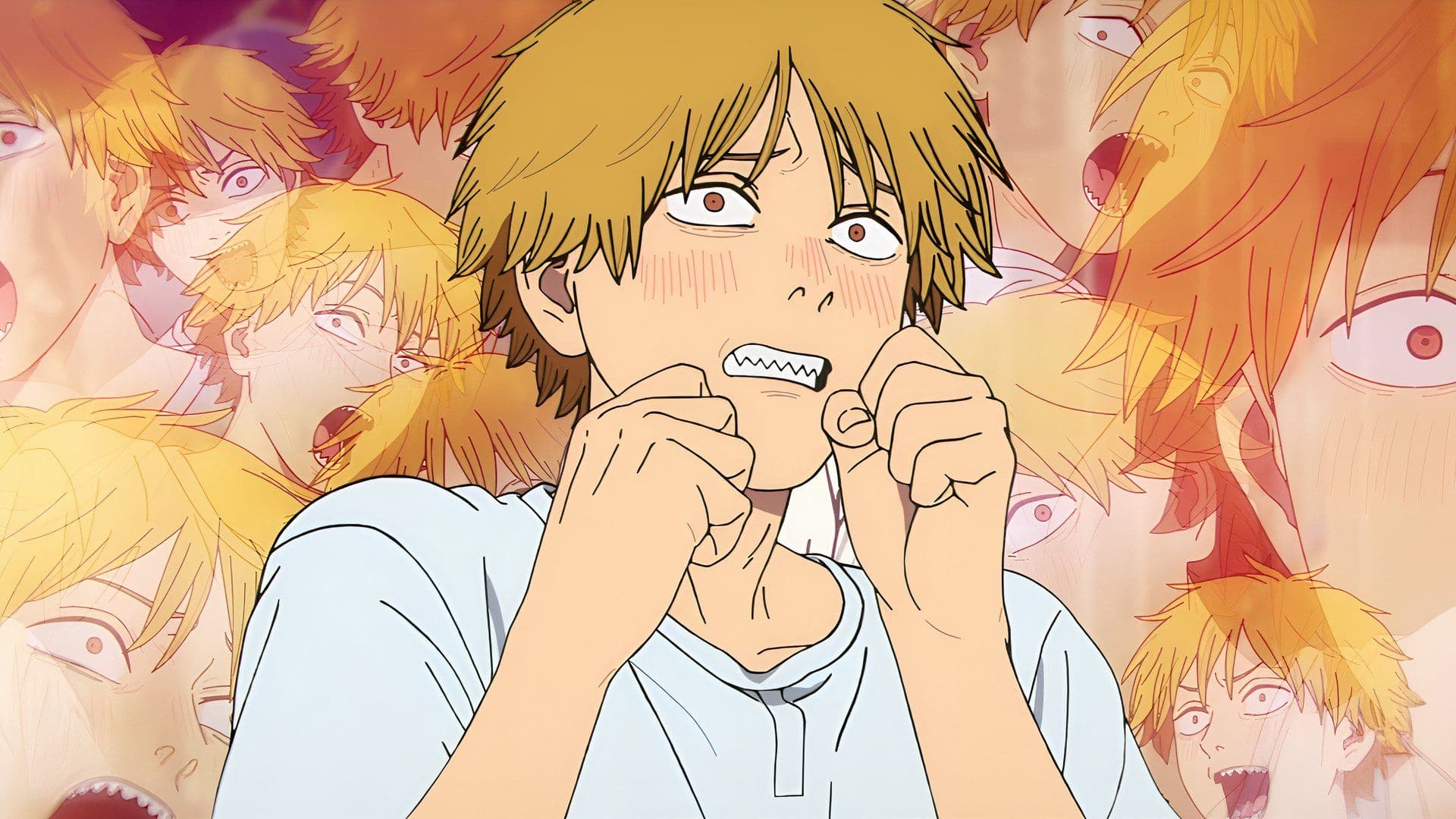
10 Shonen Protagonists Who Are Actually Well-Written
Despite the common stereotype that Shonen anime characters lack depth, several protagonists defy this narrative. Fans are buzzing with excitement about Shonen heroes who bring complex emotions, solid character development, and significant personal journeys to the screen.
Quick Summary
Shonen anime often showcases young male heroes embarking on incredible adventures filled with action, camaraderie, and battles against formidable foes. However, many fans often criticize these characters as being tropes rather than fully fleshed out individuals. This article highlights ten Shonen protagonists that showcase how thoughtful writing can transform typical hero archetypes into memorable characters that resonate deeply with audiences.
Story Setup
Shonen anime commonly follows a structure involving a young hero striving to overcome challenges, achieve greatness, or protect their loved ones. While this setup can lead to predictable tropes like the overpowered hero or the relentless optimist, some series manage to break through these conventions and offer protagonists who undergo significant growth and face real-world issues. These well-written characters grapple with dilemmas that touch on themes of friendship, loss, ambition, and morality.
In this article, we explore characters like Naruto Uzumaki from Naruto and Izuku Midoriya from My Hero Academia, whose journeys encapsulate both the struggles and triumphs that define effective storytelling in the Shonen genre.
Main Characters
-
Naruto Uzumaki (Naruto)
A classic example, Naruto's journey from a misunderstood outcast to a revered hero embodies perseverance and emotional depth. His development throughout the series is rich with themes of family, belonging, and self-acceptance, positioning him as a standout protagonist in Shonen. -
Izuku Midoriya (My Hero Academia)
Midoriya captivates audiences with his relatability and unwavering determination to become a hero. His journey humanizes the path of a hero, revealing vulnerabilities and the persistent effort required to achieve greatness. -
Edward Elric (Fullmetal Alchemist)
The lessons of sacrifice and redemption weigh heavily on Edward, making his character arc one of the most profound in Shonen. The moral dilemmas Edward faces elevate him beyond a simple protagonist, allowing viewers to explore deep philosophical themes alongside him. -
Monkey D. Luffy (One Piece)
Luffy's carefree demeanor masks a deeply loyal and determined heart. His motivations go beyond simple adventure; he embodies the importance of friendship and dreams, which resonate with fans of all ages. -
Yusuke Urameshi (Yu Yu Hakusho)
Yusuke starts as a delinquent but transforms into a dedicated protector of both the living and spirit world. His development explores themes of redemption and responsibility, making him one of the more complex Shonen leads. -
Guts (Berserk)
Although darker in tone, Guts' relentless struggle against fate delivers a poignant exploration of suffering and resilience. His character depth engages viewers with psychological and emotional intensity, challenging traditional hero narratives. -
Kenshin Himura (Rurouni Kenshin)
A former assassin seeking redemption, Kenshin's journey emphasizes forgiveness and the possibility of change. His internal conflicts provide a rich backdrop that elevates the narrative beyond action-based storytelling. -
Bakugo Katsuki (My Hero Academia)
Initially portrayed as a bully, Bakugo's character gradually unveils layers of insecurity and ambition, which make him a compelling protagonist in his own right. His journey towards understanding his own emotions and growth illustrates the complexity of Shonen heroes. -
Natsu Dragneel (Fairy Tail)
Natsu's vibrant personality and loyalty to his friends bolster the series' exploration of camaraderie and conflict. His character is rooted in strong emotional connections that highlight the importance of family and friends. -
Saitama (One Punch Man)
While the main theme of One Punch Man is often comedic, Saitama's existential struggles about finding purpose after achieving overwhelming power create a unique narrative perspective. His introspection invites audiences to delve deeper into what it means to be a hero.
Ending or Latest Episode Explained
Based on available public metadata, the conversations surrounding these protagonists continue to evolve as new episodes release and further character development unfolds. Fans eagerly await the next chapters in their journeys, which promise to explore heightened stakes and provoke emotional turmoil. With each reveal, viewers analyze how these characters confront their pasts, strengthen their bonds, and face unforeseen challenges, keeping the narrative fresh and engaging.
What Could Happen Next
As storytelling techniques advance within the Shonen genre, viewers can look forward to more nuanced character development. We may witness our protagonists facing ethical dilemmas that test their morals, exploring more profound psychological themes, or even breaking new ground with hybrid genres that incorporate elements of drama or romance. Fans speculate about shifting dynamics, rivalries evolving into alliances, and the impact of mentorship as characters age and grow. The continued evolution of Shonen narratives will likely drive conversations about what constitutes a well-written protagonist.
Why This Is Trending
The buzz around well-written Shonen protagonists is a testament to evolving narrative expectations in the genre. As fans celebrate intricate storytelling techniques, characters who reflect their struggles and aspirations garner attention. Social media platforms are vibrant with discussions that analyze character arcs, delve into interpretations, and compare these protagonists against their peers. The rising demand for diverse storytelling fuels this interest, leading audiences to rethink traditional character tropes in Shonen anime.
Final Thoughts
While Shonen anime has often been criticized for its simplistic character portrayals, these ten protagonists stand as testaments to the power of well-crafted storytelling. By breaking free from established conventions, they not only enrich their respective series but also inspire new generations of viewers. This evolving narrative landscape ensures that Shonen heroes will continue to push boundaries and remain relevant, encouraging audiences worldwide to reassess what it means to be a hero.