3 Most Unfilmable Sci-Fi Book Series That Will Never Become Movies
In the realm of science fiction literature, some stories transcend the confines of traditional storytelling, veering into the complex and intricate domains of narrative that challenge any would-be film adaptation. These works may feature expansive world-building, abstract concepts, or a unique narrative style that renders them almost impossible to translate into a visual medium. Today, we dive deep into three of the most unfilmable sci-fi book series that will likely never transition into feature films or television series.
Quick Summary
Despite the immense popularity of sci-fi as a genre, some book series possess qualities that defy standard adaptations. This article explores the unique narrative styles, structural complexities, and philosophical nuances of three such series: The Hyperion Cantos by Dan Simmons, The Dispossessed by Ursula K. Le Guin, and Dune by Frank Herbert. Each series showcases the limitless boundaries of imagination and storytelling that current cinematic techniques may struggle to replicate.
Story Setup
The Hyperion Cantos
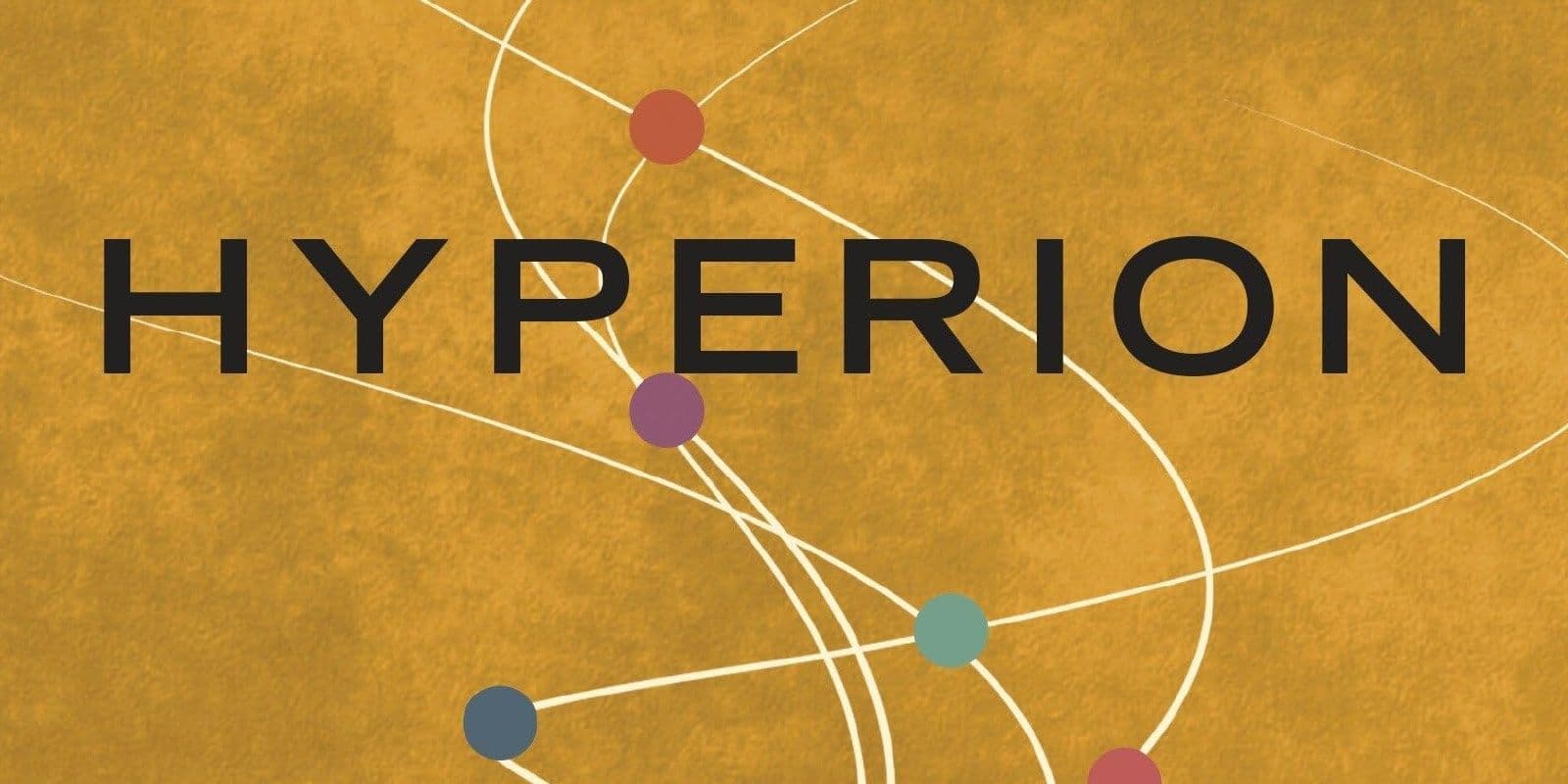
Dan Simmons' The Hyperion Cantos is a perplexing eight-book series that weaves together different genres and forms. Set in a far-future universe where interstellar travel is commonplace, the first book in the series, Hyperion, is structured as a pilgrimage narrative, akin to Chaucer’s Canterbury Tales. Each character tells their own story, adding rich layers to a central mystery that revolves around a mysterious entity known as the Shrike. The complexity of its nonlinear narrative, combined with themes of religion, philosophy, and time, presents a daunting challenge for filmmakers.
The Dispossessed
Ursula K. Le Guin's The Dispossessed explores themes of anarchism and capitalism through the lens of two contrasting societies: one is a capitalist world called Urras, and the other is a collectivist moon named Anarres. This socio-political commentary is steeped in rich philosophical discourse and character development that would be difficult to encapsulate in a film format without simplifying its core messages. The story’s depth demands a nuanced portrayal and exploration of ideologies that might not resonate well on the big screen.
Dune
Though Dune has seen various adaptations (notably the recent film directed by Denis Villeneuve), many consider it to be an exceedingly complex work that can barely scratch the surface of the source material. Frank Herbert's epic portrays intricate socio-political dynamics, ecological elements, and a dense web of mythology and prophecy. The numerous viewpoints, layered storytelling, and philosophical undercurrents make it a visionary narrative that some argue can never be fully realized in film.
Main Characters
The Hyperion Cantos
Key characters like the Consul, Father Duré, and the Poet Rimbaud each symbolize different aspects of the human experience and contribute to the interconnected stories that challenge our perceptions of reality and destiny. The ensemble cast’s diverse backgrounds and motivations create a tapestry that would be difficult to distill into a linear character arc.
The Dispossessed
Shevek, the protagonist, is a physicist from Anarres who seeks to bridge the ideological divide between his home and the capitalist Urras. His journey not only critiques societal structures but also delves into themes of freedom and connection. The complexity of his character, alongside the multifaceted societies he navigates, renders Le Guin's work a narrative that is hard to capture adequately in a two-hour film.
Dune
Paul Atreides, known as Muad'Dib, stands at the center of Dune and embodies the conflict between personal destiny and the overwhelming expectations of leadership. Surrounded by a diverse cast including Lady Jessica and Duncan Idaho, his character arc traverses notions of power, religion, and morality, further complicating any potential film adaptation.
Ending or Latest Episode Explained
It's challenging to discuss definitive endings or latest episodes for the works mentioned, as they function more as philosophical explorations than traditional narratives with conclusive endings. However, each book leaves readers contemplating the meaning of existence, the nature of governance, and the plight of the individual versus the collective.
What Could Happen Next
The likelihood of these series receiving new adaptations diminishes as technology and storytelling evolve. As filmmakers experiment with new methods, they may find ways to push the boundaries of adaptation, but the intricate layers built within these narratives may continue to resist translation. Interactive formats or virtual reality experiences may offer new avenues to explore the depths of these narratives, allowing audiences to engage with the story from different perspectives.
Why This Is Trending
In a world increasingly saturated with adaptations, fans are drawn to discussions about what makes a story unfilmable. The allure of these complex narratives lies in their layers and the engaging, thought-provoking themes they explore. As audiences seek deeper connections with stories, the discourse around adaptations ignites a broader conversation about art, interpretation, and the nature of storytelling itself.
Final Thoughts
The landscape of science fiction literature is rich with narratives that challenge conventions, but the three series highlighted here stand out due to their depth, complexity, and unconventional storytelling styles. While adaptations may bring financial success, they often risk losing the very essence that makes these works significant. As such, perhaps it’s best for certain stories to remain on their pages, inviting readers to explore the unbounded depths of their imagination without the constraints of a filmic interpretation. This intrigue and mystery lend these narratives their unfilmable charm, ensuring they remain cherished in literary circles for years to come.


