Star Trek
Ubisoft's Assassin’s Creed Could Explore Untapped Historical Settings
Ubisoft may soon dive into uncharted historical territories within the Assassin’s Creed universe.
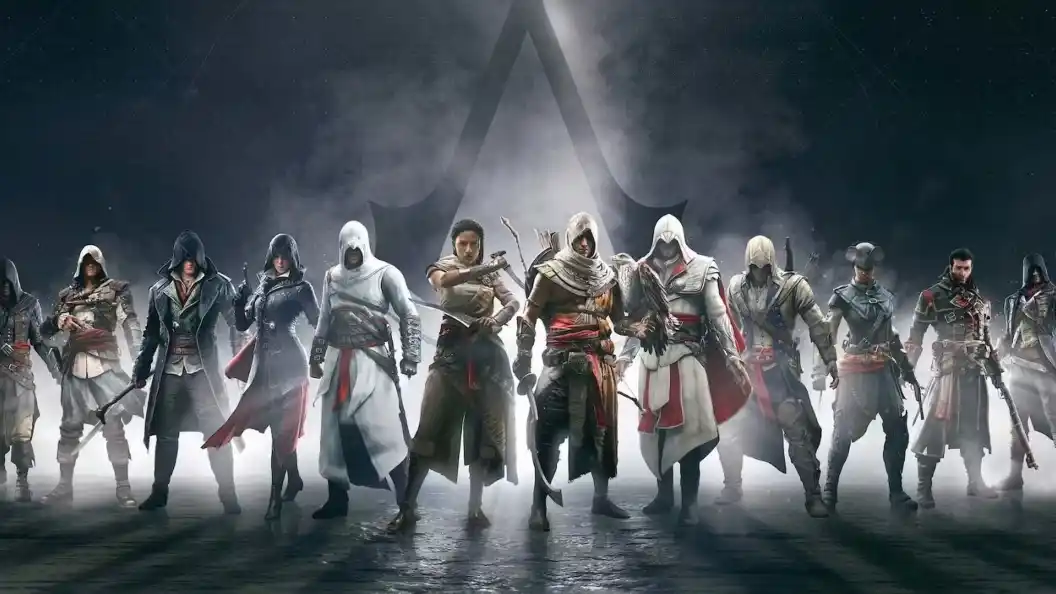
Ubisoft may soon dive into uncharted historical territories within the Assassin’s Creed universe.
In simple terms, Ubisoft is being urged to consider unique historical settings for future installments of its popular franchise, Assassin’s Creed. This insight comes from a recent article by Justin Joy in ComicBook.com, which discusses how the series has effectively transported players through captivating historical eras since its inception in 2007.
The article emphasizes that Ubisoft has previously showcased numerous significant locations like ancient cities and Revolutionary America but argues that there are still fascinating settings yet to be explored. Joy’s analysis underscores that even if the storyline might divide fans, the immersiveness of the worlds within Assassin’s Creed remains one of its strongest appeals.
What makes the potential exploration of new settings exciting is the possibility to engage both longtime fans and newcomers to the franchise. According to Joy, the desire for fresh experiences is spurred by the less favorable reception of past titles like Assassin’s Creed Shadows. The author suggests that after the upcoming Assassin’s Creed IV: Black Flag Resynced, a bold new direction is essential for reigniting passion around the series.
Ubisoft could significantly evolve its storytelling by focusing on specific historical conflicts rather than broad eras. For instance, the article notes the Wild West as a tantalizing option. Joy outlines how the complex interplay of lawlessness, industrial growth, and corporate power during that time would beautifully align with the game’s recurring themes of freedom versus control.
While the Wild West has seen limited representation in the series—with only brief appearances in Assassin’s Creed III—the article points out the myriad opportunities for gameplay and storytelling. Traversing vast landscapes, interacting with emerging communities, and engaging in significant conflicts symbolize unexplored avenues for creating a rich narrative.
Joy highlights that not only would this setting provide a backdrop of moral complexity often overlooked in historical narratives, but it could also present the Assassins versus Templars conflict in a refreshing, compelling light. The potential for parkour and unique gameplay mechanics would further reinvigorate the brand.
In the article, Joy strongly advocates for the Hussite Wars as another setting that deserves Ubisoft's attention. Fought in the early fifteenth century in Bohemia, these wars were grounded in religious reform conflicts and introduced innovative military tactics. By inserting the Assassins and Templars into such a dynamic struggle, the complexity of their narrative could be enhanced significantly.
Moreover, the extensive cities and diverse mission locales during this era would offer players engaging challenges. Joy posits that Ubisoft would have an opportunity to weave rich, believable storytelling into actual historical events. This could create a seamless blend of action, stealth, and exploration, typical of what gamers expect from the franchise.
While earlier battles like the Hundred Years War and World War II are also mentioned, the article emphasizes their potential to deliver thrilling and suspenseful gameplay devoid of traditional shooter mechanics. The Hundred Years War spanning over centuries offers an intricate web of political intrigue and character encounters that fit perfectly into the Assassin’s Creed universe.
Meanwhile, the potential for a narrative set in occupied Europe during World War II would enable an exciting espionage angle, allowing players to delve into themes of resistance and covert operations—core elements within the series.
Fans have long anticipated a setting in Ancient Rome, another location teased in the article as a logical next step. The grandeur of Forbidden City-like environments full of political intrigue may very well serve as a stage for Ubisoft to explore pivotal moments while maintaining the core Assassin’s Creed gameplay style.
In conclusion, the discussions surrounding potential new settings for Assassin’s Creed underscore the franchise's need to adapt and evolve. By exploring unique historical conflicts like the Wild West or the Hussite Wars, Ubisoft can breathe new life into Assassin’s Creed, attracting both veteran players and new audiences alike.
For more entertainment news, check out articles on Dungeons & Dragons Expansion Announcements at Gen Con 2026 and Nintendo's Golden Sun: A Legacy 25 Years in the Making.
Entertainment news
EpisodeBreakdown may use automated tools to assist research, drafting, and formatting. Published pages are governed by our editorial and corrections policies, and source links are shown when they are available in the article record.
Discovery source: ComicBook.com. The source identifies where the topic was discovered; EpisodeBreakdown is responsible for the commentary published on this page.
Reader response
Reactions and poll results are based on real reader responses. No account is required.
Laurence Fishburne's Klingon design from Star Trek: Discovery is unveiled by creator Bryan Fuller, highlighting what could have been.