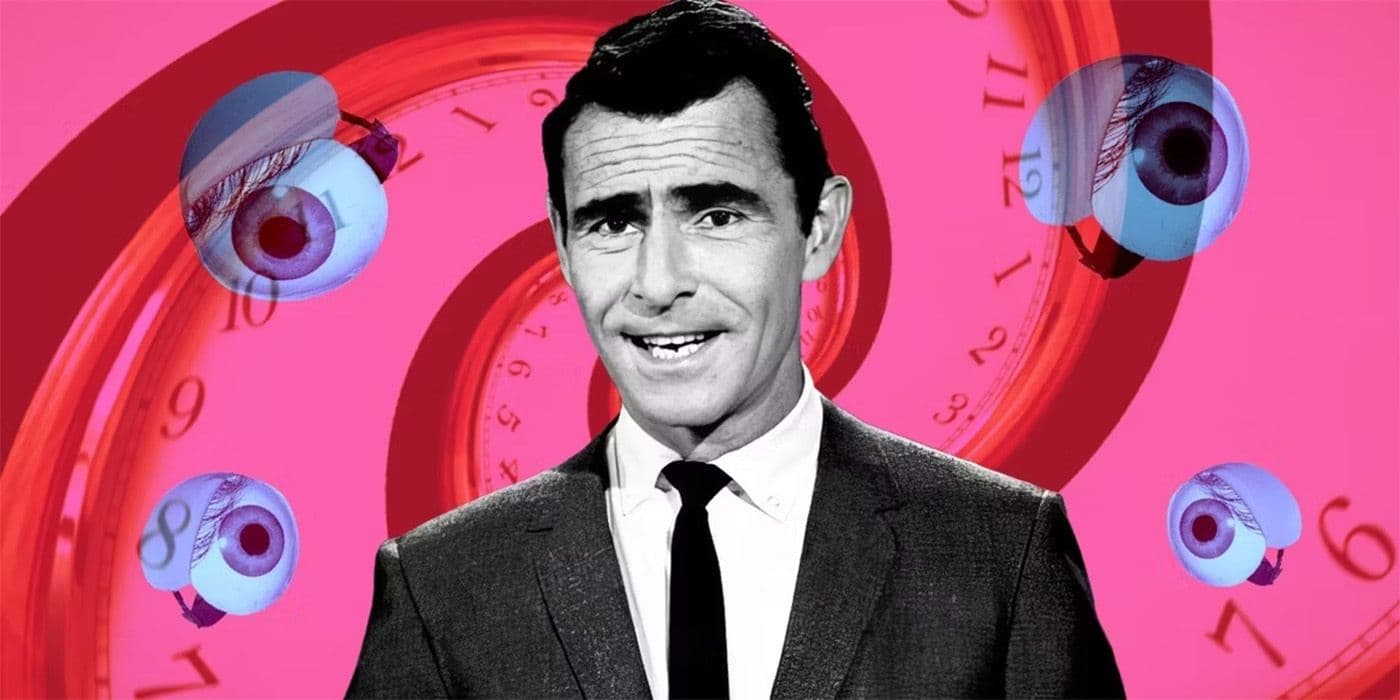
This ‘Twilight Zone’ Masterpiece Figured Out Society’s Biggest Problem 60 Years Ago
In the realm of television, it’s rare for a show to tackle philosophical themes with the finesse and foresight of Rod Serling's iconic series, The Twilight Zone. Among its many thought-provoking episodes, "It’s a Good Life" remains exceptionally relevant, offering insights into power and control that seem eerily prescient even 60 years later. As we navigate the complexities of the modern world, it’s clear that Serling's visionary tale holds a mirror to contemporary societal issues that continue to persist in 2026.
Quick Summary
The Twilight Zone's episode "It’s a Good Life” is a chilling exploration of power dynamics through the eyes of a child with god-like abilities. The narrative unpacks the consequences of unchecked authority and portrays the emotional turmoil of those living under its oppressive weight. As we dissect this masterpiece, it becomes increasingly apparent why its themes resonate strongly today.
Story Setup
Set in the fictional town of Peaksville, USA, the story revolves around a seemingly idyllic yet deeply unsettling environment dominated by a six-year-old boy named Anthony Fremont. Gifted with the ability to manipulate reality with his thoughts, Anthony exists in a world where dissent and disagreement are punishable by whims of a child’s imagination. The townspeople live in constant fear of his powers and the erratic nature of his moods, leading to an unsettling societal structure where compliance is the only path to survival. This scenario invites viewers to reflect on the nature of authority—how it shapes our reality and our responses to it.
Main Characters
- Anthony Fremont: The child with unimaginable powers, Anthony serves as both the protagonist and antagonist of the episode. His innocent yet capricious nature drives the tension and fear within his community.
- Mr. Fremont: Anthony's father, who grapples with the consequences of his son’s powers. He embodies the struggles of parental responsibility and moral accountability under extreme pressure.
- The Townsfolk: Representing the common people, these characters reflect a spectrum of responses to Anthony’s power, from passive acceptance to outright fear. Each character's reaction underscores societal compliance and the lengths individuals will go to avoid conflict.
Ending or Latest Episode Explained
In the climax of the episode, Anthony's whims become increasingly dark, leading to a chilling confrontation between his desire for control and the townspeople’s growing desperation. The final moments showcase the stark reality that while Anthony possesses the power to shape the world around him, he is also a child struggling to understand the weight of his actions. This tragic blend of innocence and tyranny leaves viewers pondering the implications of unchecked power and its psychological impact on both the wielder and the affected. The poignant ending highlights not only the dangers of absolute control but also a yearning for balance and understanding in a chaotic world.
What Could Happen Next
While ‘It’s a Good Life’ remains a self-contained narrative, its themes open up various avenues for exploration in the context of modern society. In a world where power dynamics constantly shift—be it political, social, or economic—there’s potential for new stories that echo Anthony’s struggle. Future narratives could delve into the consequences of power on a global scale, exploring how individuals or groups navigate authority in digitally connected societies. Moreover, adaptations or continuations could focus on the psychological aspects of those who wield power or are subjected to it, creating a richer tapestry of storytelling that builds upon Serling's foundation.
Why This Is Trending
The resurgence of interest in The Twilight Zone, particularly the episode "It’s a Good Life," can be attributed to contemporary discussions about authority and societal control. As power struggles manifest in various forms—from political tensions to social movements—this timeless episode resonates with viewers who seek to understand the complexities of human behavior under pressure. Additionally, the celebration of classic television and its influence on modern media adds layers to its relevance, encouraging new generations to engage with these timeless themes.
Final Thoughts
Sixty years after its original airing, "It’s a Good Life" serves as a poignant reminder of the dangers inherent in unchecked power. Through Anthony Fremont’s chilling narrative, Rod Serling articulates a warning that remains crucial in our ever-evolving society. As we continue to grapple with authority and its implications, this Twilight Zone masterpiece stands as a timeless exploration of the human condition, encouraging us to reflect on our own roles within the societal structures we inhabit. It’s a testament to the enduring power of storytelling and the ability of art to illuminate truths that resonate across generations.