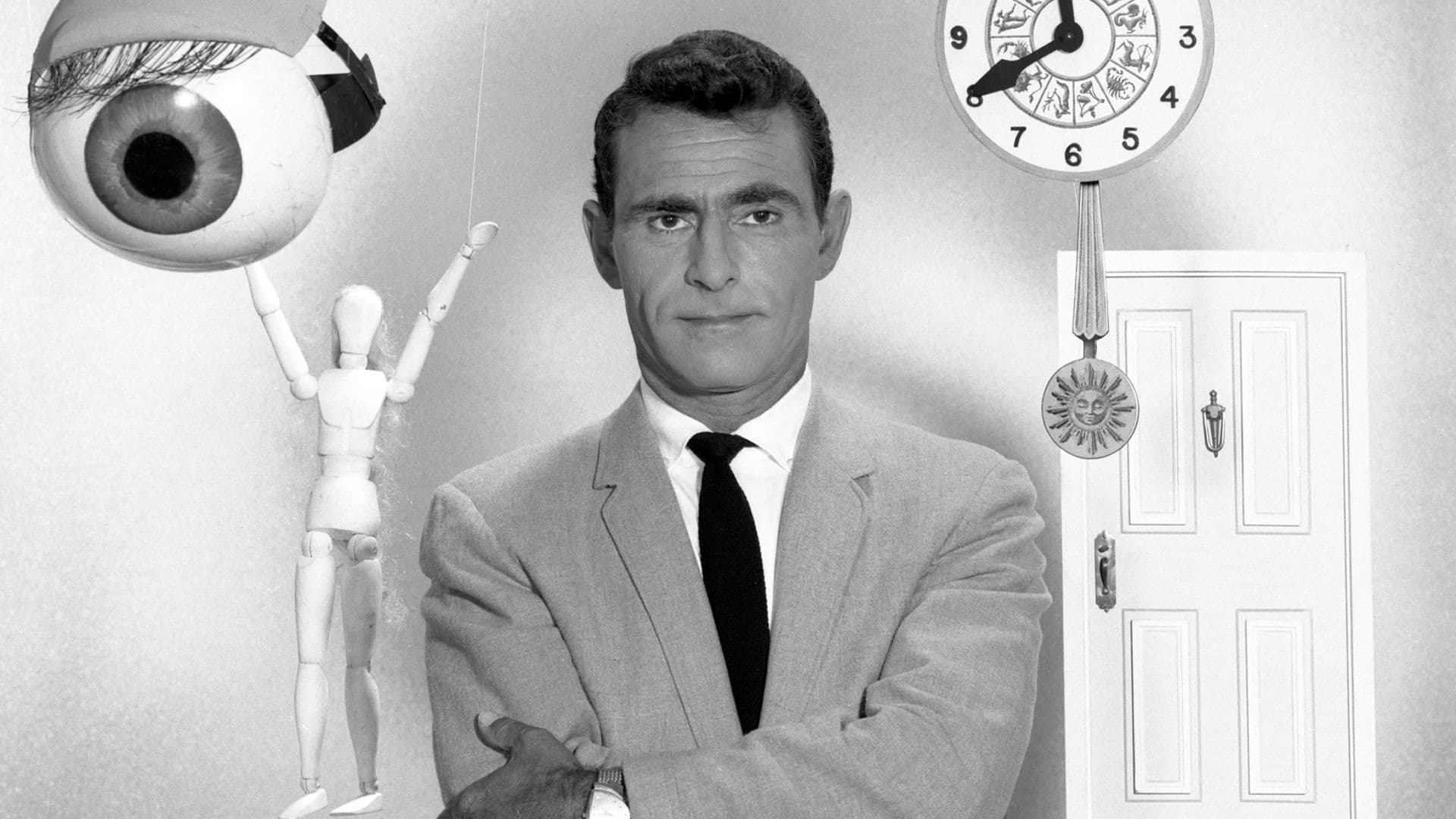
Twilight Zone's Banned Episode: The Encounter Controversy, Explained
The legacy of 'The Twilight Zone' has always been intertwined with its penchant for pushing boundaries and challenging societal norms. However, one episode, known as "The Encounter," stood out so much that it was banned for an astounding 50 years. This article delves into the reasons behind the controversy surrounding this episode and what makes it a critical yet contentious part of television history.
Quick Summary
'"The Encounter" features two characters, a World War II veteran and a Japanese man, who engage in a tense dialogue that reflects on themes of guilt, prejudice, and the personal implications of war. The episode's handling of these sensitive themes led to its eventual ban shortly after its airing, adding to the sinister allure that surrounds it.
Story Setup
Set in a post-war landscape, the episode is a microcosm of the larger conflicts that define the human experience following traumatic events. It opens in a modest attic-like setting where the veteran, played by veteran actor, becomes trapped in a tense conversation with the Japanese man, leading to a series of revelations about their pasts. The isolated environment fuels their emotional turbulence and forces them to address their shared history, highlighting the repercussions of war and its aftermath. As conflicts escalate, viewers are left questioning the morality of their actions and the weight of guilt they carry.
The twilight zone elements come into play as the episode navigates between reality and psychological torment, amplifying the unsettling atmosphere. The storyline, while cryptic, leaves audiences pondering the underlying themes long after the credits roll.
Main Characters
-
The Veteran: A representation of the often-ignored emotional and psychological scars of war. His character embodies regret and confusion about his past choices, which resonate with the viewers, eliciting empathy.
-
The Japanese Man: He acts as a counterpoint to the veteran's narrative, highlighting the multifaceted perspectives that emerge from conflicts. His portrayal serves to challenge stereotypes and provides depth to a character often seen through a single lens.
These two complex individuals, shaped by their experiences, become reflective of larger societal issues, making their dialogue not merely a conversation but a confrontation of beliefs and actions that reverberate through time.
Ending or Latest Episode Explained
The ending remains one of the most contentious aspects of "The Encounter." Based on available public metadata, while a definitive resolution to the characters' circumstances is not presented, it teeters on an emotionally charged finale that encourages self-reflection. The unresolved nature of their conflict serves as a poignant reminder of the complexities of human relationships, particularly in the shadow of war and prejudice.
As tensions reach a boiling point, audiences are left uncertain about the fate of both characters, inviting them to reflect on their biases and the consequences of their actions. It’s a haunting conclusion that does not provide clear-cut answers but rather compels viewers to wrestle with the internal conflicts introduced throughout the episode. In this way, the ending acts as a mirror to society’s failings and contributes to the conversation on redemption and forgiveness.
What Could Happen Next
While "The Encounter" was suppressed for decades, the discussion surrounding its unveiling has reignited interest in its themes. If this episode were to be revisited or adapted, there lies potential for a deeper exploration of these characters. An updated version could dissect their complexities through contemporary lenses, bringing light to the relevance of their story in today's context. Themes of guilt and redemption could be examined further, possibly introducing new characters to add layers to the ongoing discourse about race and conflict.
Additionally, the episode's return could spur renewed interest in 'The Twilight Zone' franchise as a whole, prompting new audiences to discover its provocative narratives. Analysis from scholars and media critics could also foster a rich dialogue regarding censorship, artistic expression, and the power of storytelling in addressing societal issues.
Why This Is Trending
The resurgence in discussions around "The Encounter" is primarily driven by its timely themes which resonate with current social issues, such as systemic prejudice and the ongoing effects of war. As societies grapple with similar challenges today, the episode serves as a historical artifact that remains relevant, prompting viewers to reflect on the lessons of the past.
Additionally, societal movements advocating for diversity and inclusion have spurred filmmakers and audiences alike to reconsider narratives that have been marginalized or deemed unworthy of discussion. The acceptance of sensitive topics in mainstream media today adds a layer of urgency to the reopening of dialogues around episodes like "The Encounter."
With an increasing desire for authentic representations of the human experience, revisiting this episode touches on dark themes that demand acknowledgment. The publicity it generates not only feeds into conversations about race relations but also emphasizes the need for media to not shy away from uncomfortable subjects.
Final Thoughts
The controversy surrounding "The Encounter" serves as a powerful reminder of the role media plays in shaping societal narratives. Its ban and the subsequent interest in its themes speak volumes about our evolving understanding of history, race, and conflict. The discussions sparked by this episode encourage a critical look at how we engage with art and the messages it conveys. As we navigate complex issues in today's world, revisiting stories like that of "The Encounter" can provide valuable insights into our past and the paths we may take toward a more understanding future. By emphasizing the importance of dialogues around sensitive themes, we can foster growth and empathy in our communities.
Exploring the layers of this banned episode lays a foundation for understanding not only 'The Twilight Zone' but the broader meaning of human behavior under the weight of guilt and consequence.