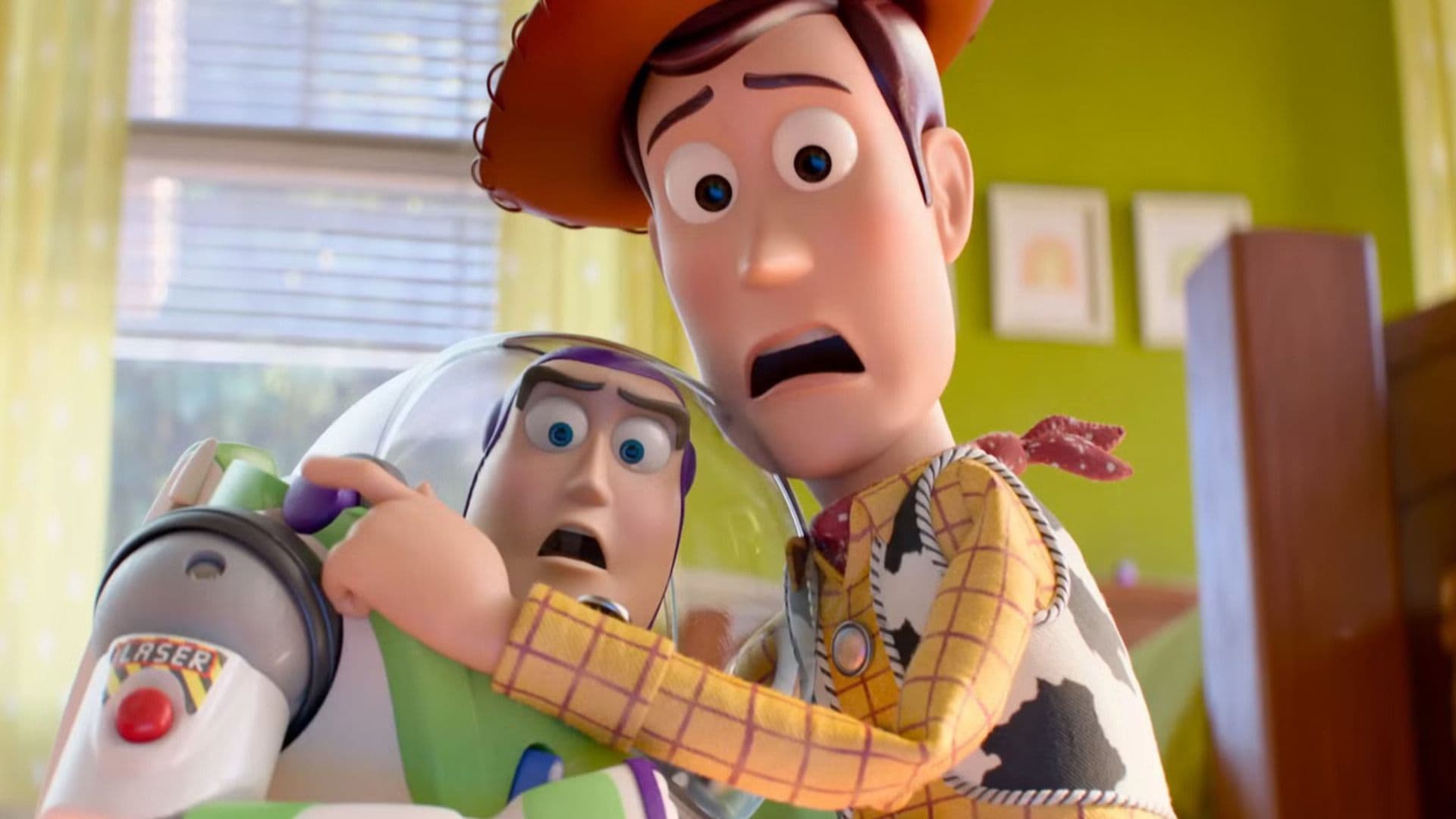
Why A Toy Story TV Show Never Happened: Insights from Pixar's Producer
In a recent revelation, a Pixar producer shared intriguing insights into why the beloved Toy Story franchise never ventured into the realm of television series. For fans of Woody, Buzz, and the rest of the gang, this news might come as a surprise. With the success of the films and the enduring popularity of the characters, the question on many minds has been: Why not a series? Let’s dive into the breakdown of this unexpected answer, exploring the implications for the franchise and what might lie ahead.
Quick Summary
Pixar Producer Patrik Walker provided clarity on the speculation surrounding a possible Toy Story series, emphasizing storytelling integrity and the creative decisions that define Pixar’s approach. While a series format seemed viable, the narrative focus and character development led to the conclusion that a TV show might not align with the franchise's vision.
Story Setup
Toy Story, which first hit screens in 1995, was groundbreaking as the first entirely computer-animated feature film. The emotional depth of the story and the complex relationships between toys brought to life a unique narrative that resonated with audiences of all ages. Over the years, the franchise expanded with sequels, further exploring themes of friendship, loyalty, and the bittersweet nature of growing up.
The heart of the Toy Story story arc revolves around Andy, his toys, and how they navigate the challenges that arise as Andy matures and moves on. The struggles of Woody, Buzz Lightyear, and their friends resonate with nostalgic themes, making them timeless figures in cinematic history. However, while the characters and their adventures have garnered a loyal following, the producers have been cautious about how to continue their legacy in a way that honors the original films.
Main Characters
The main characters from the Toy Story universe are ingrained in popular culture:
- Woody: The loyal cowboy and leader of the toys, known for his unwavering dedication to Andy.
- Buzz Lightyear: The space ranger, whose arrival initially threatens Woody’s position as Andy’s favorite toy but ultimately leads to their strong friendship.
- Jessie: A spirited cowgirl with her own backstory; she represents themes of abandonment and acceptance.
- Mr. Potato Head: The comic relief with a knack for humorous improvisation.
- Bo Peep: Woody's love interest, who brings deeper emotional layers to the narrative.
These characters embody distinct personalities and stories that together create an intricate tapestry of friendship and growth. The depth of each character is one reason why a potential TV show seemed daunting. Capturing the essence of these toys in a new format requires delicate storytelling that respects their established narratives.
Ending or Latest Episode Explained
As of the latest Toy Story films, audiences saw the culmination of Andy’s journey and the growth of his toys. In Toy Story 4, Woody faces the emotional impact of moving on, as he makes the tough decision to stay with Bo Peep and help lost toys. This resolution brought a sense of closure to Woody's storyline but also left fans wondering about the potential for future adventures. The ambiguity of what’s next for Buzz and the other toys creates an open-ended narrative that could lend itself well to a series. However, the producer’s insights suggest that any continuation must be justified and meaningful.
What Could Happen Next
While there are no current plans for a Toy Story series, fans are left to speculate on what the future could hold for these beloved characters. Could we see a series that explores the lives of toys after being given to new children, expanding on the emotional narratives established in the films? Or perhaps a spin-off focused on the adventures of Buzz Lightyear, given his popularity and the newer Lightyear movie?
Additionally, Pixar frequently seeks innovative ways to tell stories, so fans should keep an open mind about potential projects. As storytelling evolves, the exciting elements and experiences from the Toy Story franchise could inspire new content that still honors its roots.
Why This Is Trending
The decision not to pursue a Toy Story TV show has gained traction within the entertainment community, leading to discussions on social media and fandom spaces. Fans consistently express their love for the series and the characters, making this news particularly resonant. With streaming services bombarding audiences with content, many are intrigued by what makes a beloved franchise take the cautious approach of not expanding into television.
Pixar's commitment to storytelling quality and character integrity offers an intriguing lens into the future of animated storytelling. This news serves as a reminder of the studio's dedication to maintaining high artistic standards — something that has consistently set them apart in the industry.
Final Thoughts
As fans of Toy Story, understanding why a TV show hasn’t emerged is essential to appreciating the legacy of the franchise. While it can be disappointing, knowing that the creators prioritize genuine storytelling and character-driven plots offers solace. With exciting avenues still open for exploration and storytelling in the Toy Story universe, fans can look forward to innovative possibilities without compromising the essence of what made them fall in love with Woody, Buzz, and the rest of the gang.
As we await further developments from Pixar, let’s celebrate the impact of Toy Story and remain hopeful for what the future may bring. Stay tuned for more updates on this beloved franchise, and remember — the adventure isn’t over yet!


