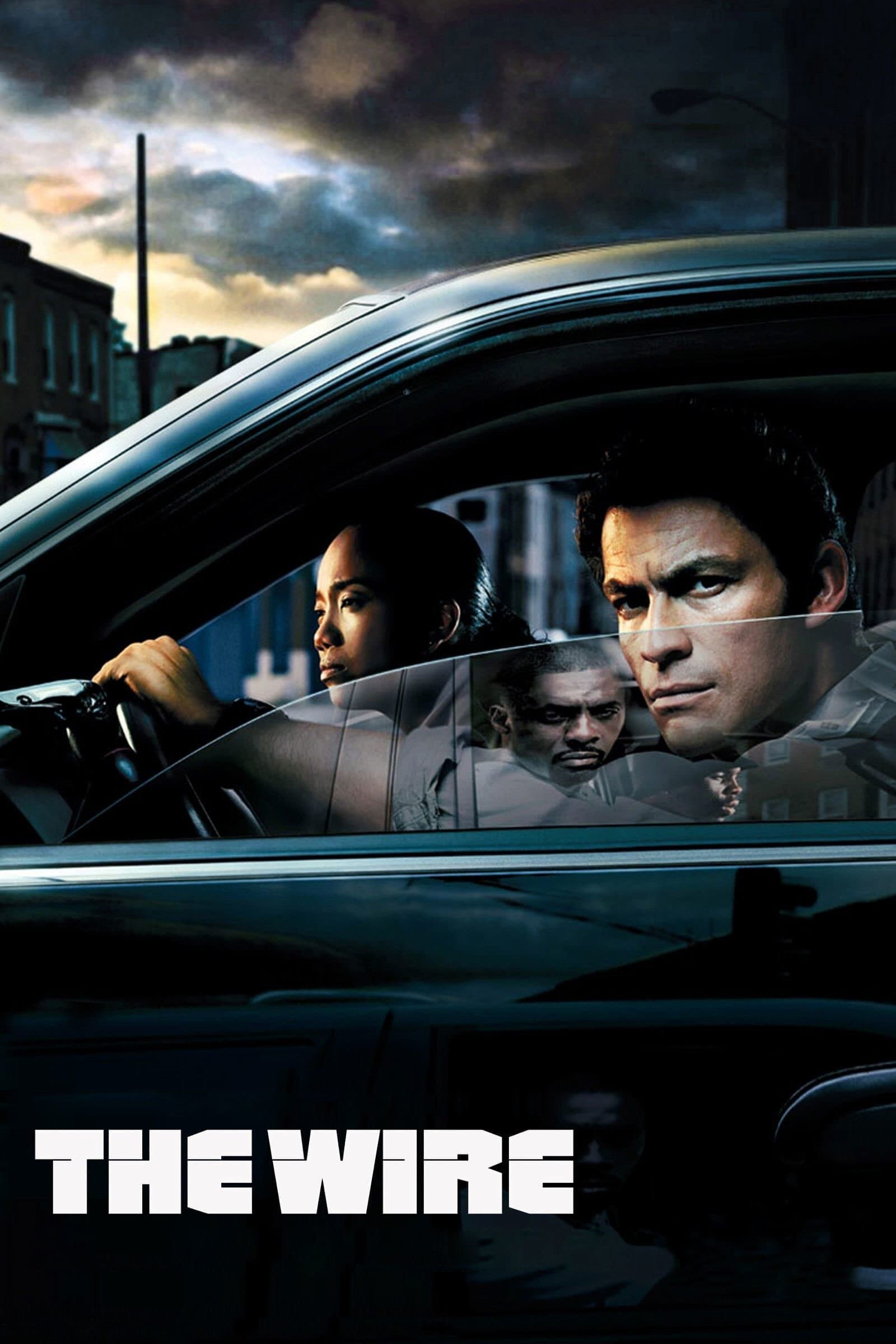
The Wire Episode Breakdown: Story, Characters, and Ending Explained
Considered one of the greatest television dramas of all time, The Wire offers a gritty, realistic look at life in Baltimore, Maryland. From its exploration of the drug trade to its deep dive into the socio-political landscape, the series provokes thought and debate around various societal issues. Let’s explore the intricacies of its storylines, multifaceted characters, and the series' impactful ending, derived from the ongoing evolution of its narrative.
Quick Summary
The Wire premiered on HBO in June 2002 and ran for five intense seasons before concluding in March 2008. Each season combines elements of crime drama with a compelling examination of social problems affecting urban America, ranging from drugs and police corruption to education and the media. Rated a solid 8.9, the show is famed for its authentic storytelling and profound character development, rendering it a classic in modern television.
Story Setup
The first season establishes the tense world of Baltimore's drug trade, primarily focusing on the Barksdale Organization. Avon Barksdale, the ring leader, and his shrewd lieutenant, Stringer Bell, are central figures, directing the intricate workings of their drug empire while evading law enforcement. The police department, represented by a special detail led by Detective Jimmy McNulty, struggles to infiltrate this tightly-knit organization—a battle that appears futile yet compelling.
As the seasons unfold, The Wire expands to embrace various facets impacting Baltimore. Season Two shifts the gaze to the city’s working-class struggles and the decline of the shipping industry, highlighting the interconnectedness of crime and economic hardship. Season Three brings a lens on politics, questioning how those in power respond (or fail to respond) to the city's deficiencies.
In Season Four, the narrative pivots to focus on a group of young boys navigating the challenges posed by their home environments and societal pressure, all while the rise of a new drug empire looms. Finally, the fifth season critiques the role of the media in depicting urban life, showcasing how newspapers can influence perceptions, policies, and public sentiment.
Main Characters
One of the strengths of The Wire is its rich, diverse cast of characters. Here are a few pivotal ones:
Avon Barksdale
Avon is the ruthless yet complex drug lord whose organization commands the streets of Baltimore. His desire for control and power often puts him at odds with law enforcement, as well as his own moral compass.
Stringer Bell
Avon’s right-hand man, Stringer Bell, is an emblem of the business-minded approach to crime. He blends street smarts with a desire for legitimacy, revealing a complex persona who grapples with ambition and moral ambiguity.
Jimmy McNulty
As the series' antihero, McNulty is a skilled detective whose dedication often leads him to make morally questionable choices. His personal struggles intersect with his professional life, adding layers to his character.
Omar Little
A unique figure in the narrative, Omar is a stick-up man who robs drug dealers. With his own code of ethics, Omar becomes an antihero revered for his intelligence and bravery, challenging traditional depictions of criminals.
Bunny Colvin
A police lieutenant, Colvin's innovative yet controversial approach to drug policy aims to address the root of the drug problem rather than merely enforcing laws, making him a figure of moral complexity in the series.
The series also features a broad array of supporting characters, each contributing to the rich tapestry of Baltimore’s social and cultural landscape. Their interconnected stories weave a narrative that feels authentic and poignant.
Ending or Latest Episode Explained
Based on available public metadata, the fifth and final season of The Wire explores the media's role in society, reflecting on the impact of reporting on urban issues—both positive and negative. The conclusion serves as a stark reminder of the cyclical nature of these issues, offering no clear resolution. Characters face the consequences of their choices, leaving viewers with an ambivalent but impactful ending that resonates long after the series concludes.
The finale challenges us to consider who is responsible for the chaos that envelops Baltimore: the criminals, the law enforcement, or the media that shapes public perception? Such questions linger, encouraging viewers to reflect critically on the narratives that define urban America.
What Could Happen Next
Although The Wire has officially ended, its themes remain relevant today, prompting speculation about potential storytelling avenues. Spin-offs or reboots could delve deeper into the lives of secondary characters, offering fresh perspectives on the city of Baltimore. There’s also room to explore contemporary issues, such as the evolution of crime with technology and the shifting dynamics within families and communities.
Moreover, discussions around social justice, policing, and systemic inequality continue, making The Wire a touchstone for exploring these conversations in current media landscapes.
Why This Is Trending
The continued relevance of The Wire contributes to ongoing discussions about systemic issues within urban environments, particularly concerning policing and social justice. The show's examination of the drug trade, politics, and media remains pertinent, reflecting real-world challenges faced by various communities today. Additionally, its compelling storytelling has inspired countless discussions, analyses, and content across various platforms, bringing it back into the spotlight.
Final Thoughts
The Wire is more than just a tale about crime; it’s a profound exploration of the structures that govern urban life. Each character and storyline intricately weaves together to present a holistic view of Baltimore’s socio-economic landscape. The show challenges its viewers to confront uncomfortable truths about society, making it both a significant cultural artifact and a lasting narrative worth revisiting. Its impact on television and storytelling is indelible, ensuring it remains a vital part of discussions surrounding the medium for years to come.

