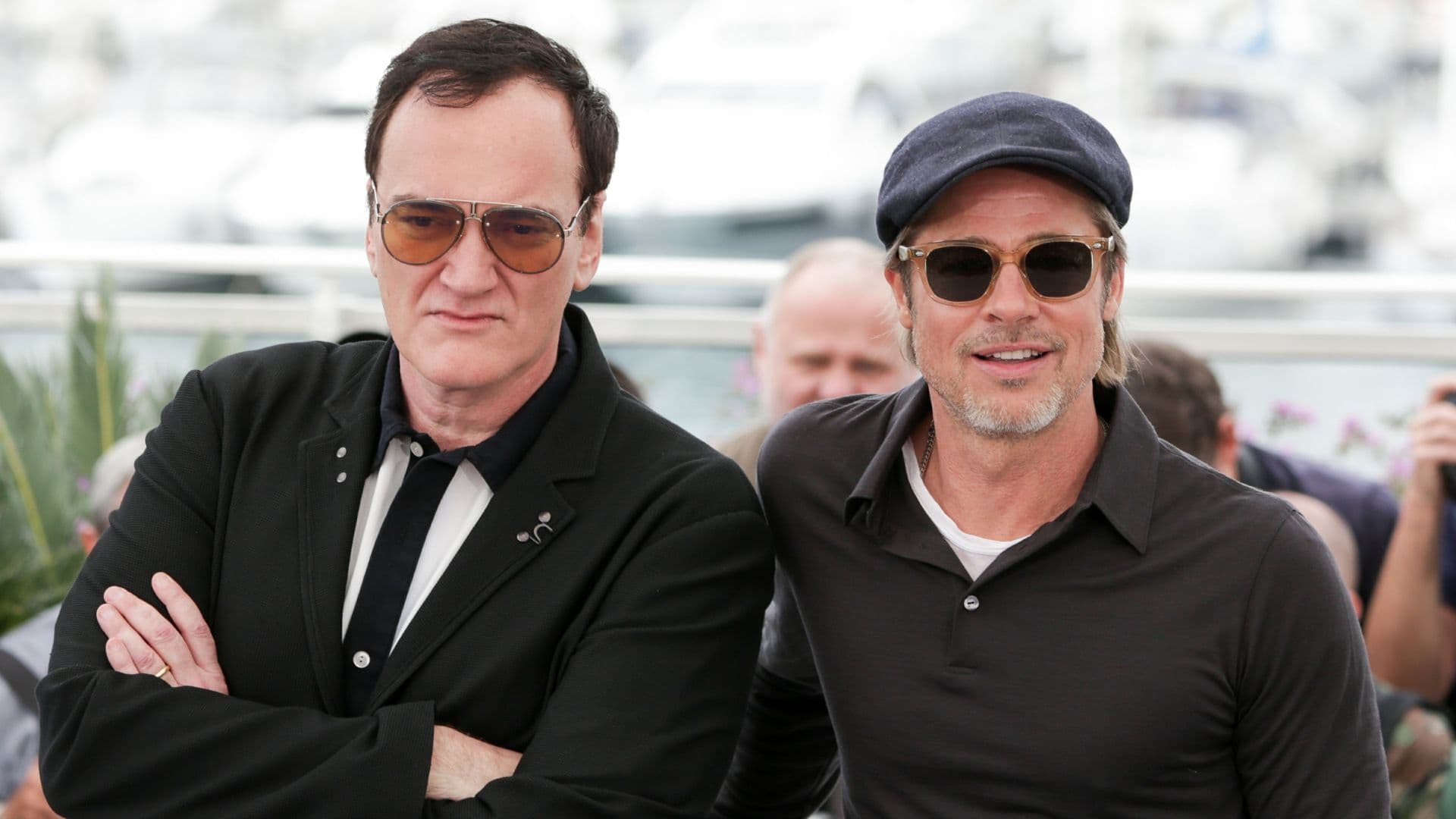
Quentin Tarantino's films have always elicited strong reactions, both on-screen and off. One of the most compelling narratives surrounding his latest film, Once Upon a Time... in Hollywood, is the dynamic and intense relationship he shared with Brad Pitt on set. Reports suggest that the iconic director didn't hold back his thoughts during filming, even going so far as to threaten Pitt with harsh words: "You'll be dead in this business." Such statements not only highlight the stress and passion inherent in high-stakes movie-making but also exemplify Tarantino's straightforward and sometimes aggressive directing style.
As we delve deeper into this intriguing story, it’s essential to explore the impact of this relationship on the film as well as its wider implications within the entertainment industry. Let’s break it down.
Quick Summary
Once Upon a Time... in Hollywood, released in 2019, marked a significant chapter in both Quentin Tarantino's celebrated career and Brad Pitt's filmography. The film is a nostalgic homage to the late 1960s Hollywood, starring Leonardo DiCaprio as Rick Dalton, a fading television star, and Brad Pitt as Cliff Booth, his loyal stunt double. Pitt's performance in this film ultimately earned him his first Academy Award for Best Supporting Actor, a milestone that stands in stark contrast to Tarantino’s surprising words during production.
Story Setup
Set against the backdrop of Los Angeles in 1969, Once Upon a Time... in Hollywood weaves a multifaceted narrative that touches on the golden age of cinema, the Manson Family murders, and a pivotal cultural shift. The film paints a portrait of friendship, nostalgia, and the intersecting lives of its characters in a transforming environment. Rick Dalton is struggling to find his footing in a rapidly changing industry, while Cliff Booth represents the rugged masculinity and loyalty of the classic movie era.
Tarantino’s script cleverly intertwines fact and fiction, merging real historical events with his unique storytelling flair. This provides context for the tumult of the time, making the viewer both nostalgic and wary of the changes that were about to engulf Hollywood.
Main Characters
Rick Dalton (Leonardo DiCaprio): A former star of a popular Western television series, Rick finds himself grappling with the realities of a fading career. His character arc raises questions about success, relevance, and the pursuit of dreams in a world that no longer seems to have a place for him.
Cliff Booth (Brad Pitt): Rick's loyal friend and stunt double, Cliff embodies the carefree attitude of the era. Charismatic and rugged, Cliff serves as a grounding force to Rick’s tumultuous journey, often pulling him back from despair.
Sharon Tate (Margot Robbie): The embodiment of 1960s Hollywood beauty and innocence, Sharon’s presence adds layers of tension and melancholy to the story, especially given the tragic fate that awaits her in real life.
The interplay among these main characters creates an engaging exploration of themes such as friendship, loyalty, and the harsh realities of show business that culminate in unexpected ways.
Ending or Latest Episode Explained
The film's climax culminates in a fictionalized version of the Manson Family's infamous night, blending the actual events with Tarantino's characteristic flair for camp and violence. What sets Once Upon a Time... in Hollywood apart is its unexpected twist, where Cliff Booth becomes a surprising hero, showcasing the filmmaker's unique ability to rewrite history in a way that resonates deeply with audiences.
The ending serves as both a farewell to the bygone era of Hollywood and a celebration of friendship, leaving viewers with a bittersweet taste as they reflect on the cost of fame and the paths not taken.
What Could Happen Next
Given the film's monumental success, particularly for Pitt, one might wonder about the trajectory of both men’s careers in the aftermath. Tarantino has hinted at his retirement from filmmaking after a few more projects, leaving audiences curious about how he might choose to capstone his illustrious career. Conversely, Pitt, riding high on an Oscar win, may continue to diversify his roles, potentially delving into producing or even directing himself.
Moreover, the discussions around their working relationship create ongoing interest among fans and critics alike, providing ample fodder for future collaborations or competitive projects. Tarantino's threat to Pitt—while significantly hyperbolic—may also illustrate the intense pressure artists place on each other to succeed, especially in a competitive industry.
Why This Is Trending
The headlines around Tarantino's words have sparked conversation about the often harsh realities of the entertainment industry, illustrating how high stakes, intense competition, and passionate debate can lead to striking moments. In an age where mental health awareness in high-pressure environments is gaining attention, this incident serves as an important talking point. Furthermore, as both Tarantino and Pitt have become cultural touchstones, audiences are likely to examine their careers and creative decisions with a more critical lens, making this topic timely and relevant.
Final Thoughts
The dynamic between Quentin Tarantino and Brad Pitt will likely continue to fuel discussions about artistic relationships in Hollywood. The blend of their talents in Once Upon a Time... in Hollywood has left a significant mark on cinema, culminating in performances that resonate with audiences. Whether through threats or triumphant successes, their intertwined paths remind us of the complexities of creativity, ambition, and resilience in today’s multifaceted entertainment landscape. As we look ahead, the legacy of this movie and its filmmakers beckons reflection on not just the stories told but also the stories behind their making.