All 5 Super Smash Bros. Games, Ranked
Super Smash Bros. has solidified its status as one of Nintendo's most iconic and enduring franchises. With its blend of beloved characters, chaotic gameplay, and multiplayer fun, the series has captured the hearts of gamers since its debut. But among the five main installments, which game stands tall above the rest? Join us as we break down and rank each title, considering gameplay mechanics, character rosters, innovation, and overall influence on the gaming community.
Quick Summary
The Super Smash Bros. series consists of five core games:
- Super Smash Bros. (1999) - Nintendo 64
- Super Smash Bros. Melee (2001) - GameCube
- Super Smash Bros. Brawl (2008) - Wii
- Super Smash Bros. for Nintendo 3DS and Wii U (2014)
- Super Smash Bros. Ultimate (2018) - Nintendo Switch
Each game has its strengths and weaknesses, providing a unique experience based on its era and advancements in gaming technology.
Story Setup
While Super Smash Bros. games primarily focus on gameplay rather than an overarching narrative, each title possesses its own setting and context that enhances the gameplay experience. For instance, the original Super Smash Bros. introduced players to a world where iconic Nintendo characters collided in epic battles. The game’s simple premise of brawling against friends turned into a cultural phenomenon that paved the way for future installments.
Melee expanded this universe with a variety of new characters and stages, honing the mechanics to create a fast-paced competitive scene. Brawl introduced more complex mechanics and a story-driven Subspace Emissary mode, further pulling gamers into the world of Super Smash with intricate backgrounds for characters. The 3DS and Wii U versions brought parallel releases, enhancing graphics and online features. Finally, Ultimate celebrated the series’ legacy by including every playable fighter from previous titles, making it a celebration of all things Smash.
Main Characters
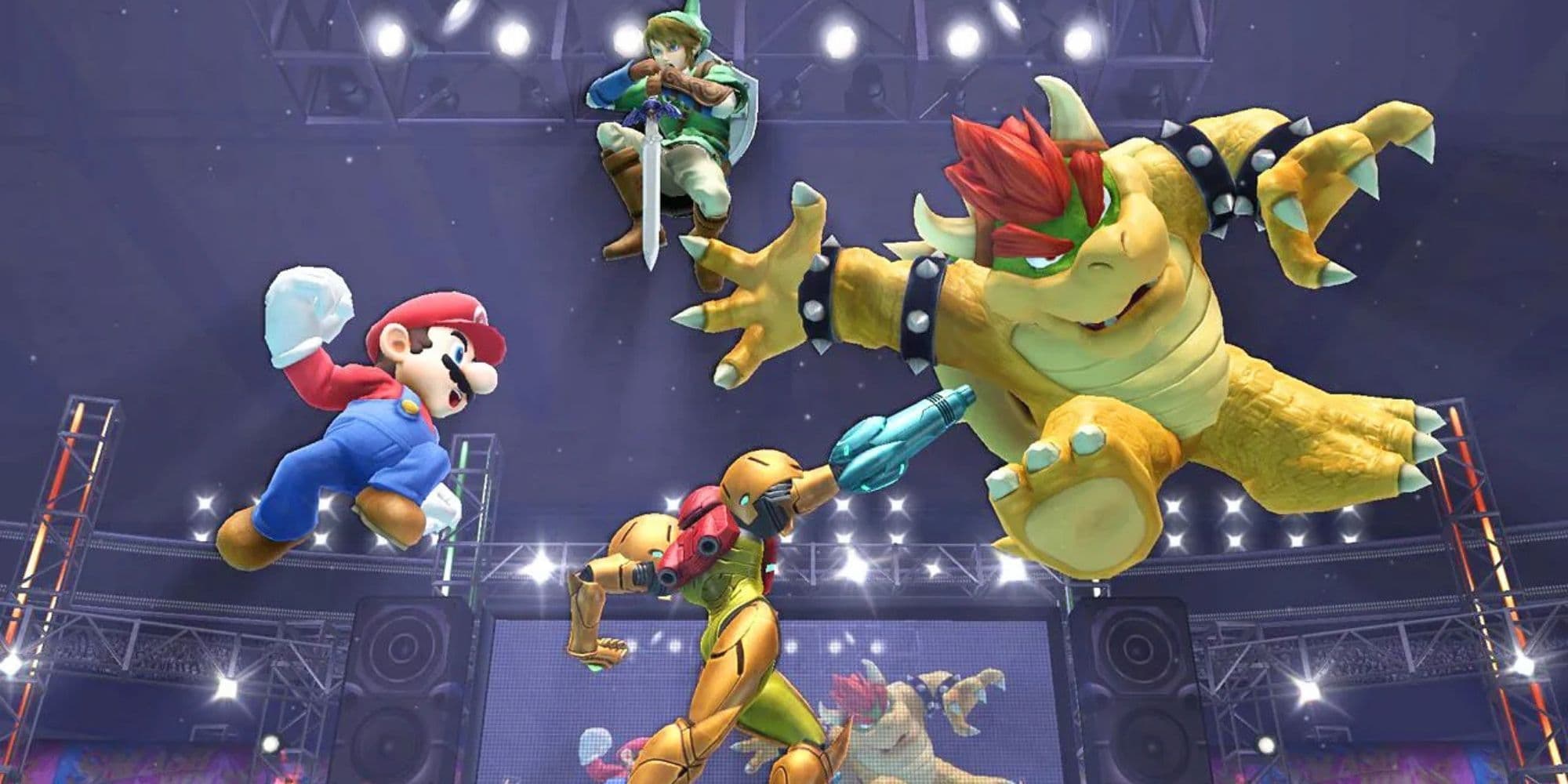
Super Smash Bros. thrives on its roster of characters, which includes heroes and villains from various Nintendo franchises, each bringing unique strengths and gameplay styles:
- Mario: The iconic plumber remains a staple, with balanced abilities to cater to competitive play.
- Link: Hailing from The Legend of Zelda, Link combines swordplay with projectiles for a versatile attack style.
- Pikachu: A fan-favorite featuring speed and electric abilities, making it a tough contender.
- Kirby: Known for its ability to inhale opponents and copy their moves, adding a unique twist to gameplay.
- Donkey Kong: A powerful heavy hitter who uses strength to dominate opponents.
Ultimate’s roster proudly boasts a whopping 89 characters, providing endless combinations and strategies for players. Each game has introduced new fighters, challenging traditional gameplay through fresh mechanics and abilities.
Ending or Latest Episode Explained
Based on available public metadata, the most recent installment, Super Smash Bros. Ultimate, triumphantly concluded the long-awaited desire for a comprehensive Smash experience. With the finale of the DLC character reveals concluding in October 2021, fans are left with a complete roster featuring every character from prior titles, making it a nostalgic and celebratory gaming experience.
The game has seen an immense amount of support from the community, with players exploring new strategies and forming new communities around their favorite fighters due to the endless possibilities it provides.
What Could Happen Next
The future of the Super Smash Bros. series remains somewhat unclear, especially with the conclusion of Ultimate's character roster. Interest remains high, with rumors surrounding potential new entries or spin-offs circulating.
Nintendo may opt for a new series installment or perhaps an expansion of the Smash brand into other genres or platforms. Given the franchise's legacy and the popularity of its characters, more crossovers or spinoffs exploring distinctive gameplay mechanics or entirely new settings could attract both long-time players and new audiences.
Why This Is Trending
The ongoing popularity of competitive gaming has significantly boosted interest in the Super Smash Bros. series. E-sports tournaments, such as EVO (Evolution Championship Series), consistently showcase Melee and Ultimate, cementing their status as staples in competitive scenes. Streamed events and online play have made it easier to access these games, fostering a vibrant online community and engaging new players.
Additionally, fan discussions over character rankings, game mechanics, and nostalgic memories contribute to the ongoing dialogue within the community. As players reflect on which games resonate most with them and why, new discussions arise, making this subject ever-relevant.
Final Thoughts
The Super Smash Bros. series has profoundly impacted the gaming landscape, transcending generations and connecting players with the characters and worlds they love. Each game brings a distinct flavor to the franchise, with fond memories shaped by both single-player experiences and multiplayer chaos. As we look back at these five titles, it’s clear that while preferences may differ, the love for Super Smash Bros. unites fans in a celebrated community.
Whether you're revisiting Melee’s hectic battles or engaging in Ultimate's expansive character lore, the series never fails to remind us why we fell in love with gaming in the first place. Explore each title, share your thoughts, and participate in the ongoing ranking debates as we all continue to enjoy this fantastic series for years to come.