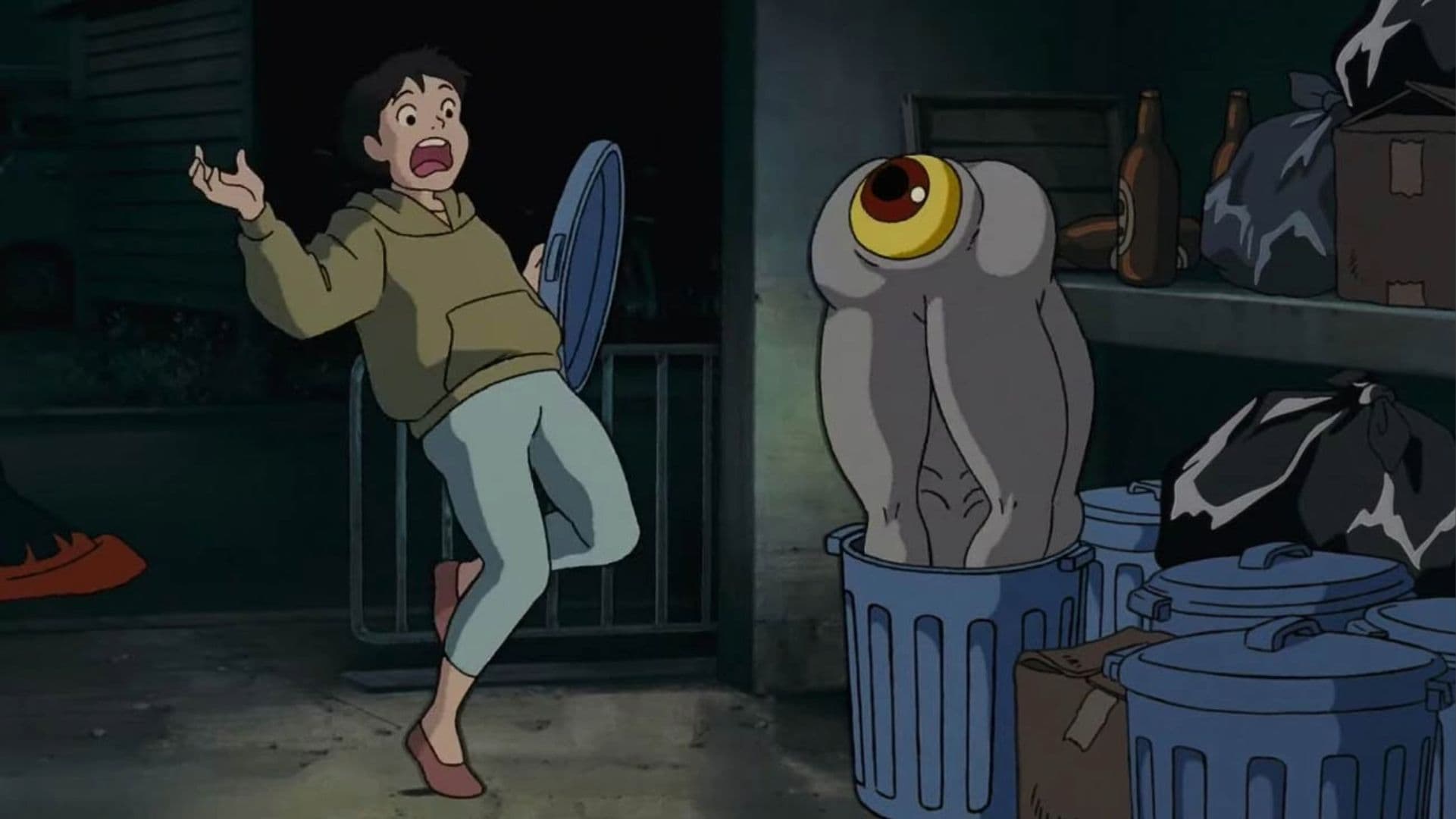
5 Studio Ghibli Yokai That Look Terrifying But Are Completely Harmless
Studio Ghibli is well-known for its enchanting storytelling and imaginative characters, but the studio has also introduced viewers to some of the most fascinating yokai—supernatural creatures from Japanese folklore. Often, the depiction of these beings can be alarming, showcasing monstrous features that might send shivers down your spine. However, as many fans can attest, these characters are far from the frightening entities they appear to be. In this article, we'll explore five seemingly terrifying yokai from Studio Ghibli films that are, in fact, completely harmless.
Quick Summary
The article discusses five yokai from Studio Ghibli films that are initially portrayed as fearsome but turn out to be benevolent despite their scary appearances. These creatures reflect the studio's themes of kindness and compassion, encouraging viewers to look beyond the surface.
Story Setup
Studio Ghibli films often blend elements of fantasy and reality, drawing deeply from Japanese culture, particularly folklore. Yokai play a significant role in these narratives, serving as a metaphor for various aspects of human existence. In many cases, the yokai are misjudged due to their external features. By depicting these creatures as harmless, Studio Ghibli encourages audiences to confront their fears and misconceptions about what is deemed to be scary.
Main Characters
1. No-Face (Kaonashi) - Spirited Away
No-Face embodies the idea of longing and desire. At first glance, his eerie mask and ability to consume others may seem menacing. However, as the story unfolds, we learn that No-Face is simply searching for connection and belonging in a world that often feels isolating. Throughout Spirited Away, he ultimately reveals a more vulnerable side, signifying the importance of understanding and empathy in human relationships.
2. The Forest Spirit - Princess Mononoke
With antlers resembling a grandiose crown, the Forest Spirit (Shishigami) is both majestic and intimidating. His transformation into the Night-Walker, a gigantic creature that evokes a sense of dread, makes him appear dangerous. Yet, he plays a crucial role in maintaining the balance of nature and symbolizes the consequences of humanity's actions on the environment. His majestic nature reminds audiences of the interconnectedness of all life forms.
3. Yubaba - Spirited Away
While technically a witch, Yubaba has features that can be unsettling, with her exaggerated facial expressions and commanding presence. However, she serves as a protective figure and a complex character whose decisions carry layers of depth. Beneath her tough exterior lies the commitment to her family and her need to protect her domain, challenging the stereotypical view of antagonists in anime.
4. The Catbus - My Neighbor Totoro
The Catbus is a whimsical creation—part cat, part bus—complete with eerie, glowing eyes and an overwhelming number of legs. His initial appearance may prompt some concern, but he is essentially a friendly creature who helps guide the protagonists through their adventures. The Catbus acts as a bridge between two worlds, showcasing the enchanting and bizarre aspects of everyday life.
5. The Kodama - Princess Mononoke
The Kodama are small, ghost-like spirits of the forest, resembling tree spirits with a simplistic, yet expressive design. Their small size and big eyes might seem disconcerting; however, they exist to protect the forest's flora and fauna. Their presence serves as a reminder of the delicate balance between humanity and nature. They embody innocence, reflecting the purity of the natural world and its inhabitants.
Ending or Latest Episode Explained
Based on available public metadata, the impact of these yokai resonates deeply with viewers, shedding light on hidden narratives and themes within Ghibli's filmography. The films often end with messages of hope and reconciliation, where even the most terrifying creatures find their place in the world, dispelling fears and ignorance in the process.
What Could Happen Next
As discussions surrounding these yokai continue to gain traction, fans may see an uptick in merchandise, fan art, or even spin-offs centered around these beloved creatures. The Ghibli fandom often explores narratives beyond the films, which could lead to new interpretations of these yokai, deepening their lore. Future projects from Ghibli may also draw parallels to contemporary issues, reminding audiences of the ongoing relevance of these timeless creatures.
Why This Is Trending
The recent surge in discussions about Studio Ghibli's yokai highlights a cultural phenomenon where fans are increasingly interested in deconstructing their favorite films. By showcasing characters that challenge traditional horror tropes, Ghibli invites viewers to rethink their biases. This trend encourages conversations around vulnerability, connection, and understanding, resonating deeply with new audiences amidst a world often focused on superficial fears.
Final Thoughts
Ultimately, the exploration of yokai in Studio Ghibli films serves as a poignant reminder that appearances can be deceiving. Through these beautifully crafted characters, the studio not only entertains but also imparts valuable life lessons about understanding, empathy, and acceptance. The ongoing conversations surrounding these creatures are a testament to the lasting impact of Studio Ghibli's artistry and storytelling. As fans continue to celebrate these seemingly terrifying yet heartwarming yokai, it becomes clear that true magic lies in the stories we tell and the connections we build.

