36 Years Later, Star Trek's Hardest Picard Line Still Makes Kirk Look Tame
The debate between Star Trek fans regarding who reigns supreme—Captain James T. Kirk or Captain Jean-Luc Picard—has persisted for decades. Each captain embodies different strengths and leadership styles that resonate with audiences in unique ways. While Kirk is often celebrated for his bold, risk-taking nature, it's a particular line from Captain Picard that cuts through the noise and declares an entirely different kind of toughness. This article delves into the context and implications of that iconic line, why it remains significant 36 years later, and what it reveals about the core of Star Trek philosophy.
Quick Summary
In a pivotal moment from Star Trek: The Next Generation, Captain Jean-Luc Picard delivers a powerful line that has stood the test of time, often overshadowing the more impulsive nature of Captain Kirk. This line encapsulates the deeper complexities of leadership and morality inherent in Picard's character, serving as a reminder of the weight of responsibility that comes with command. Fans continue to dissect this line, as it informs discussions about leadership styles inside and outside the Star Trek universe.
Story Setup
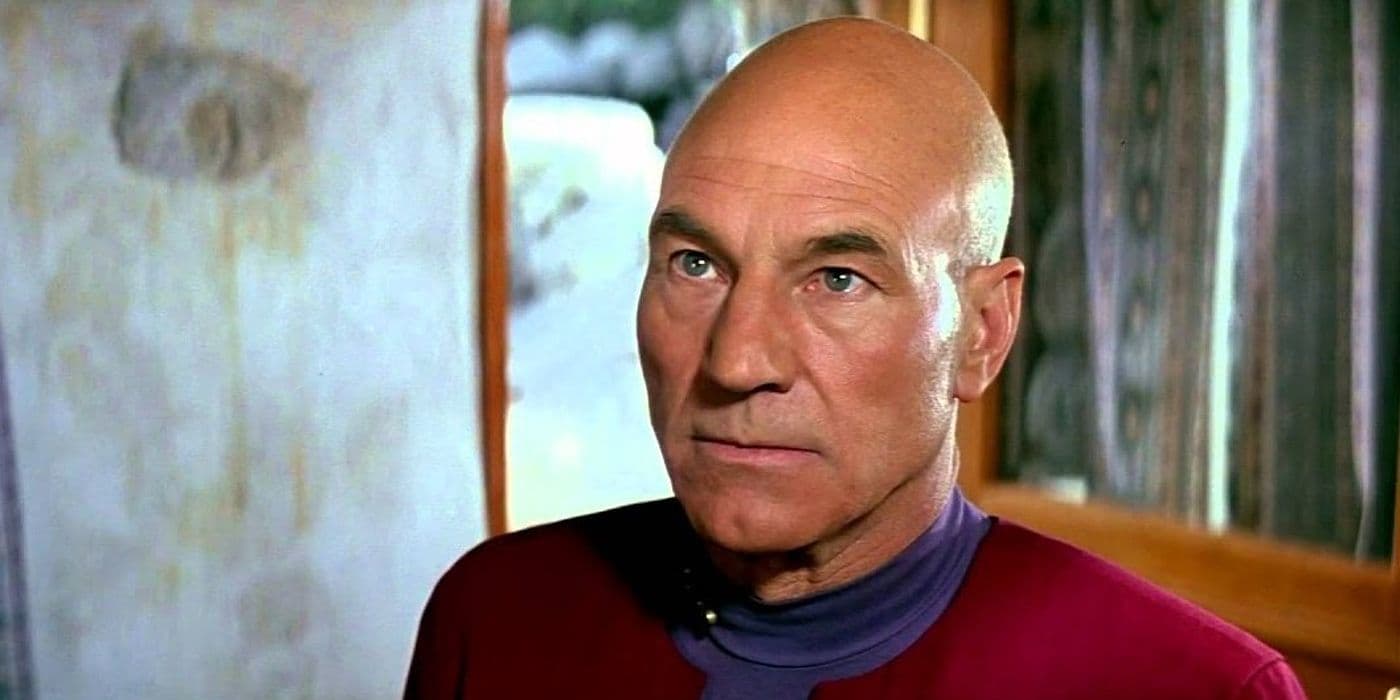
The Star Trek franchise has been exploring human experience in various forms for over half a century. It invites us to ponder philosophical questions while living through the adventures of its beloved characters. Captain Picard, played by Patrick Stewart, serves as a representation of reasoned leadership, diplomacy, and ethical conduct.
Six seasons into Star Trek: The Next Generation, Picard's character had been fully established as not just a leader, but a moral compass for those around him. In this context, the line that fans hold as Picard's hardest comes into play, showcasing a level of introspection and gravity that is often sidelined in other series’ narratives, including those featuring Captain Kirk.
Main Characters
-
Captain Jean-Luc Picard - The epitome of thoughtful leadership, Picard often struggles with the decisions he must make, weighing the consequences of his actions carefully. His approach contrasts vividly with Kirk’s more impulsive style.
-
Captain James T. Kirk - Known for his charisma and willingness to take risks, Kirk embodies the spirit of adventure and rebellion. While often viewed as the embodiment of rugged heroism, his character lacks the same depth of introspective moral dilemma that Picard offers.
-
Commander William Riker - As Picard’s first officer, Riker represents a blend of the two captains’ styles, balancing Kirk’s boldness with Picard’s philosophy.
-
Data - The ship’s android officer adds a layer of complexity to ethical discussions, often pushing Picard (and the audience) to grapple with what it means to be human.
-
Beverly Crusher - The ship’s doctor, Crusher is not only a love interest for Picard but also serves as a moral sounding board, reflecting the consequences of leadership decisions in a poignant way.
Ending or Latest Episode Explained
While specific details about the latest episode are not available, the ongoing conversations surrounding Picard's hardest line have reignited discussions among fans. The line captures an essence of inner turmoil and societal expectation that remains relevant today. Fans argue this complexity adds a layer of discomfort, making the perfect portrayal of leadership within the Star Trek canon.
Given the evolving nature of the series and the characters, including the more recent developments in the Star Trek: Picard series, audiences are revisiting pivotal moments from TNG with fresh perspectives and a deeper understanding of the implications of command style.
What Could Happen Next
As the Star Trek universe continues to grow, exploring themes of leadership, morality, and human experience, fans can expect further examination of Picard’s complex character. New series and films may delve into the past and future of Starfleet, highlighting the impacts of past decisions on current events.
Moreover, discussions surrounding leadership styles in various contexts—both in fiction and reality—are likely to evolve, presenting audiences with an opportunity to reflect on their own perceptions of strong leadership. Expect to see heightened intersections of morality and leadership traits as future narratives unfold.
Why This Is Trending
The trending discussion about Picard's hardest line highlights an undercurrent of fascination with leadership nuances in difficult decisions across genres in entertainment. Fans recognize that balancing morality with pragmatic choices is a constant struggle for anyone in a position of power. This duality is especially resonant in today’s socio-political landscape, making Picard’s words timeless and relatable.
Moreover, as nostalgia plays a significant role in the resurgence of classic series and characters within contemporary entertainment, the interplay between Kirk and Picard remains a hot topic for seasoned fans and newcomers alike. With new series on the horizon, older conversations about character dynamics are being reignited, creating a rich tapestry of content for discussion and exploration.
Final Thoughts
In the ongoing saga of Star Trek, Captain Picard’s profound line stands as a beacon of nuanced leadership, contrasting sharply with Captain Kirk's bravado. As the franchise continues to expand, it invites fans to deepen their understanding of what makes a compelling leader and how those values echo through both fictional universes and real-life scenarios. The timeless quality of Picard's wisdom remains an invaluable part of the Star Trek legacy, ensuring that the conversation around these iconic characters will endure for years to come.