One Star Trek: The Original Series Episode Shouldn't Be Considered Canon
The iconic series Star Trek: The Original Series, which aired from 1966 to 1969, is a cornerstone of science fiction television. It introduced audiences to a richly crafted universe, exploring complex themes and ethical dilemmas through engaging characters and storytelling. Among its many episodes, however, one stands out as an anomaly: "Assignment: Earth." This episode has sparked debates among fans and historians, with many arguing that it shouldn't be considered part of the official canon. In this breakdown, we will explore why this episode is often viewed differently, its contribution to the Star Trek universe, and what this means for fans and the future of the franchise.
Quick Summary
"Assignment: Earth," the 26th episode of Star Trek: The Original Series, aired during the second season. The episode introduces Gary Seven, a character from the 20th century who is tasked with ensuring that Earth’s future unfolds as intended. The narrative diverges from the usual Star Trek format and is more reminiscent of a pilot episode for a potential spin-off series. Many fans feel that the episode’s detached feel and lack of direct relevance to the main storyline make it an outlier, leading to its classification as non-canon.
Story Setup
The story unfolds as the USS Enterprise is on a mission to observe 1968 Earth. Captain Kirk and his crew find themselves obstructing a critical mission involving Gary Seven, who is manipulating events to ensure the peaceful progress of humanity. As Seven works to prevent a nuclear disaster, Kirk and his crew grapple with the question of how much they should interfere with the timeline.
This episode is notable for its mixture of science fiction and espionage tropes, creating a narrative that feels somewhat disconnected from the series’ more traditional focus on exploration and morality within the context of the vibrant galaxy of Star Trek. The shift in tone and style has led many to perceive the episode as a misstep that strays too far from the established Star Trek ethos.
Main Characters
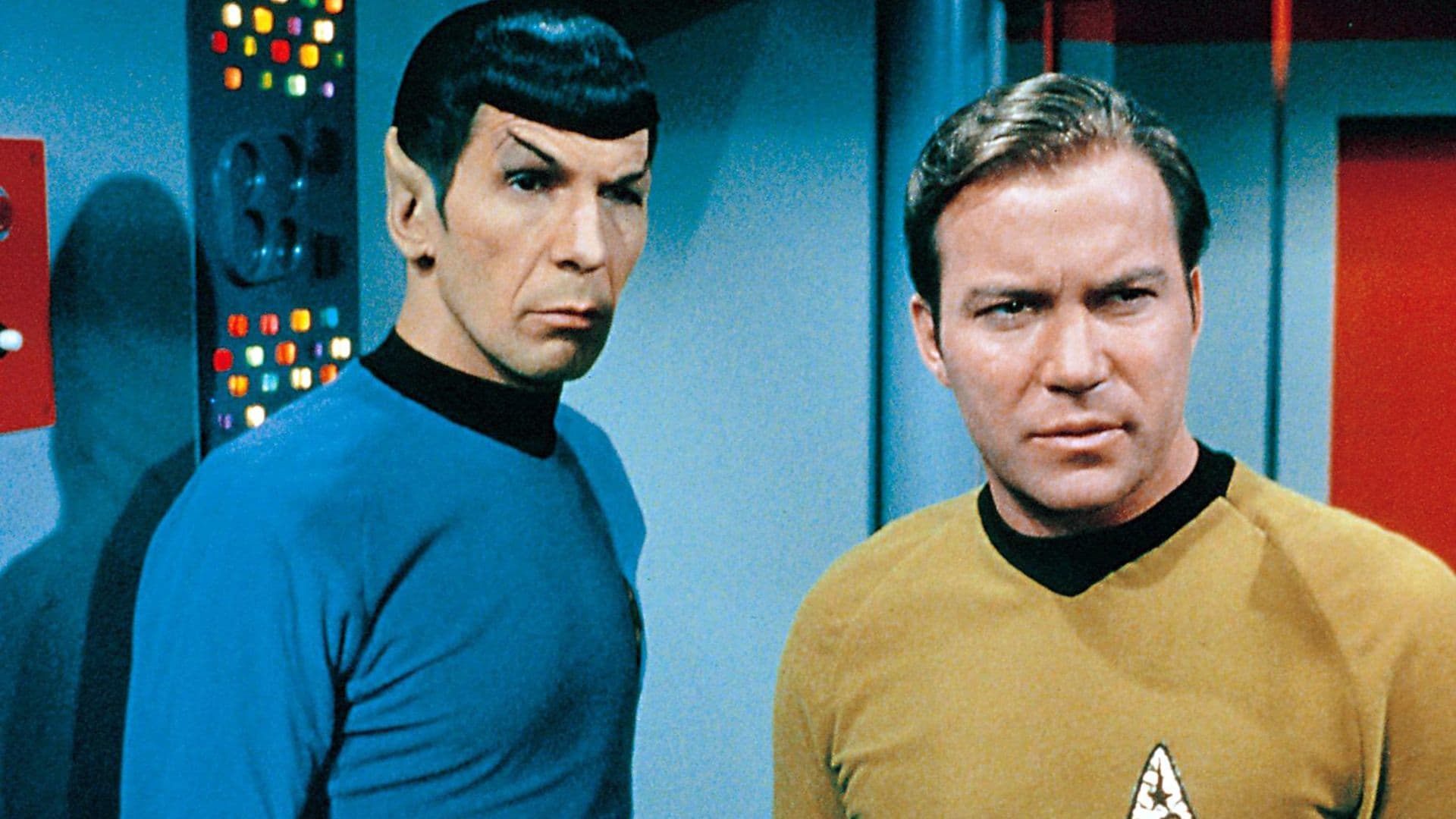
- Captain James T. Kirk: The stalwart captain of the USS Enterprise, embodying the values of exploration and moral leadership.
- Mr. Spock: The half-Vulcan science officer, whose logic is continually juxtaposed with Kirk's instinctual approach to decision-making. His deadpan responses often add a layer of humor and commentary on human behavior.
- Gary Seven: A mysterious character who has been sent from the future to ensure Earth’s prosperity. His role fundamentally alters the timeline, presenting ethical dilemmas about interference in historical events.
- Kirk's Crew: Lieutenant Uhura, Mr. Sulu, and others play supporting roles, highlighting their individual expertise and differing perspectives on the mission, though they take a back seat to the episode's more focused characters.
Ending or Latest Episode Explained
The episode concludes with Kirk and Spock realizing that they must trust Gary's instincts to safeguard Earth’s future. Ultimately, Seven succeeds in preventing the disaster, but the implications of his actions raise questions about the nature of time travel and the morality of influencing history. The episode ends with Kirk delivering a monologue about the importance of free will, leaving viewers puzzled about the resolution's alignment with the ethical quandaries introduced.
While it presents interesting concepts, the fundamental disconnect from Star Trek's overarching narrative—and its failure to develop the relationships and themes that defined the series—has led many fans to view it as a standalone piece rather than an integral part of the saga.
What Could Happen Next
The discussion surrounding "Assignment: Earth" opens avenues for future narratives in the franchise. Several Star Trek spin-offs and reboots have addressed inconsistencies and reimagined certain aspects of the lore. The ongoing expansion of the Star Trek universe through series like Star Trek: Discovery and Star Trek: Picard presents an opportunity to revisit or reinterpret the concepts introduced in this episode.
Future installments could explore the implications of time travel more seriously, potentially providing a nuanced reflection on Assignment: Earth. Additionally, a dedicated series focusing on Gary Seven and the intricate web of time travel could delight fans while providing deeper insights into both established and new characters.
Why This Is Trending
The debate over the canonical status of "Assignment: Earth" highlights ongoing discussions within fandom regarding the fluidity of canon, especially in established franchises with long histories like Star Trek. As new content is released, interpretations of older episodes can shift, creating fresh perspectives and reinterpretations. Fans of Star Trek often seek to reconcile the diverse storylines, leading them to revisit older episodes critically, spurring this trending discourse.
The presence of time travel in popular culture also sustains interest in episodes like this one. As new sci-fi narratives explore the ramifications of manipulating timelines, discussions surrounding the ethical and narrative implications of time travel resonate with broader societal concerns, making this debate particularly relevant.
Final Thoughts
In conclusion, while Star Trek: The Original Series has many celebrated episodes, "Assignment: Earth" stands apart as an episode that strays from the core themes and character developments that define the series. This divergence leads to its classification as non-canon by many fans, sparking ongoing discussions about storytelling and continuity in the Star Trek universe. As the franchise continues to evolve through new series and films, the impact of this peculiar episode will likely continue to resonate in both fan discourse and creative directions moving forward. Whether or not it remains an outlier in the canon or garners fresh reinterpretation with the passing years, Star Trek fans will undoubtedly keep debating its place in the storied history of this beloved franchise.