One Star Trek: The Original Series Episode Shouldn't Be Considered Canon
As fans of the iconic Star Trek: The Original Series, we might find ourselves engrossed in countless discussions regarding the impact and legacy of various episodes. Among these conversations, there's one specific episode that stirs controversy over its canon status. Some argue it deserves a closer look, suggesting it might not belong to the official Star Trek lineage. Let's break down the reasons behind this debate and explore what implications it holds for the broader Star Trek universe.
Quick Summary
In this article, we focus on a certain episode from Star Trek: The Original Series, examining the arguments why it shouldn’t be considered canon. This breakdown will also explore its storyline, main characters, and potential future ramifications for the Star Trek franchise.
Story Setup
The episode in question is "Assignment: Earth," which originally aired during the second season of Star Trek: The Original Series. Notably, it stands apart from many of its peers by serving as a pilot for a potential spinoff series. The narrative revolves around the crew of the USS Enterprise and introduces concepts and characters that diverge significantly from the typical Star Trek formula.
In "Assignment: Earth," Captain James T. Kirk and the crew find themselves in the 1960s, encountering a mysterious figure named Gary Seven, who possesses incredible abilities and means to influence historical events. The episode is rife with time travel themes and offers a markedly different tone compared to the original series, raising eyebrows regarding its continuity and coherence within the established Star Trek universe.
Main Characters
The central characters in this episode include:
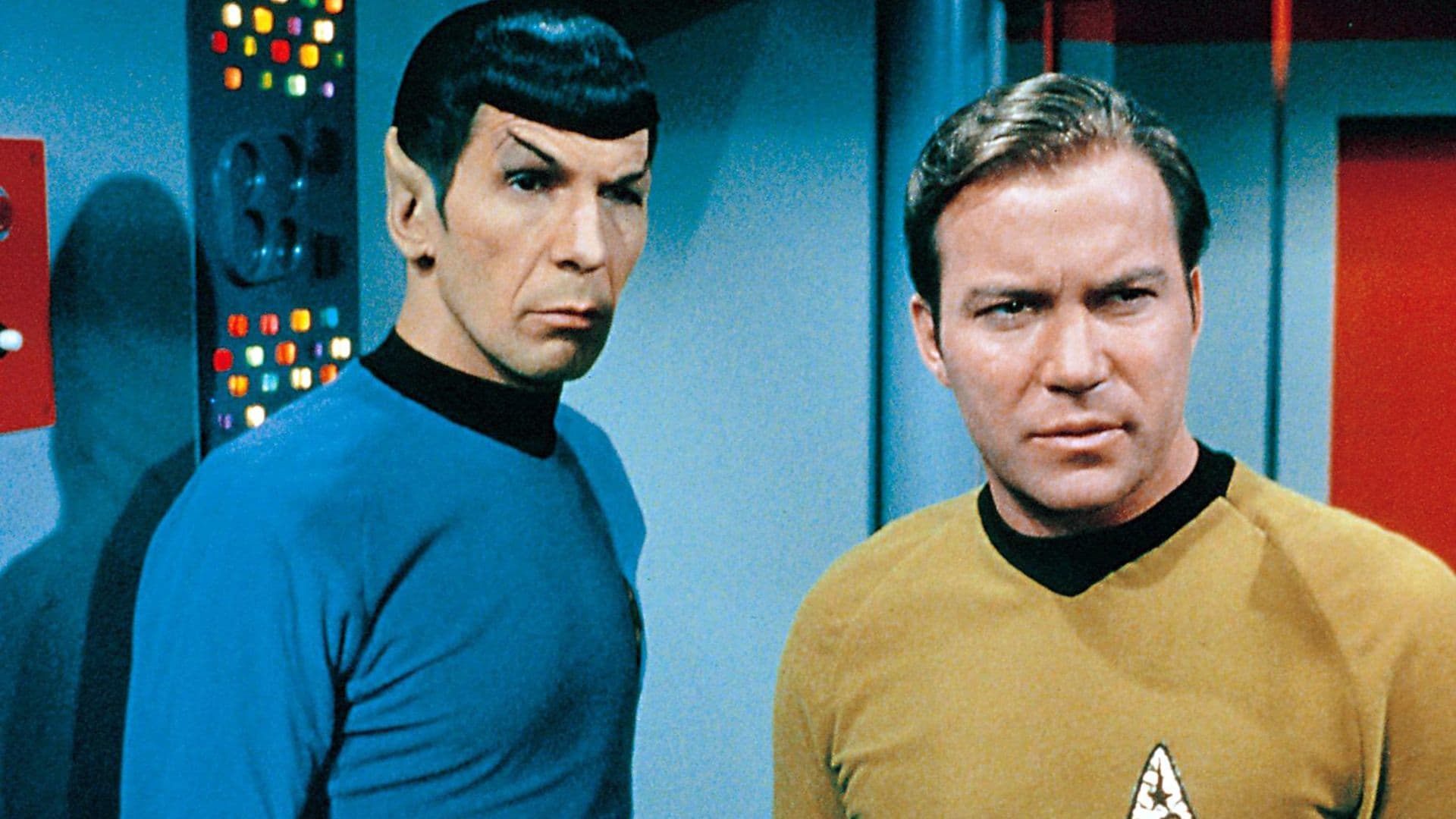
- Captain James T. Kirk: The iconic leader of the USS Enterprise, portrayed by William Shatner. Kirk's character embodies leadership and a thirst for exploration throughout the series.
- Gary Seven: A human with extraordinary abilities from the future, portrayed by actor Robert Lansing. Often seen as a guardian or a pivotal figure in human history, his character introduces complex time travel elements to the narrative.
- Mr. Spock: The half-Vulcan, half-human science officer serves as Kirk’s trusted advisor, known for his logical approach and unique perspective on human behavior.
- Dr. Leonard McCoy: The ship's doctor, whose emotional depth often counterbalances Spock’s logic. McCoy provides insight into the human experience, making him an essential figure in the team.
These characters contribute significantly to the narrative; however, many fans argue that their interactions within the context of "Assignment: Earth" differ enough to raise the question of its canonicity.
Ending or Latest Episode Explained
At the conclusion of "Assignment: Earth," viewers are left with an ambiguous ending as Kirk, Spock, and McCoy depart from the timeline created in the episode. The resolution allows Gary Seven to proceed with his mission, leaving viewers to ponder the ramifications of his actions on history. The unresolved elements and detours taken during this episode have led to debates regarding its status as a legitimate part of the Star Trek saga.
Critics suggest that instead of focusing on the main Star Trek narrative, the episode is essentially a setup for a series that never materialized, which slightly undermines the strength of the Star Trek ethos that typically celebrates exploration and morality through its historical lens.
What Could Happen Next
The discourse surrounding the canonicity of "Assignment: Earth" raises intriguing possibilities for the Star Trek franchise moving forward. If discussions gain traction within the fan community and among creators, it could prompt a re-evaluation of how the series defines canon.
There’s a chance that revisiting this episode could yield new storylines or insights through derivative works. As Star Trek continues to expand with new series and films, recognizing or reinterpreting past material could offer fresh narratives while maintaining fidelity to the spirit of the original series. For example, a modern take on Gary Seven’s character might explore more about his background or the unseen consequences of his missions—an opportunity for a feature or animated series.
Why This Is Trending
The ongoing debate about the canonicity of "Assignment: Earth" gained momentum recently due to increased interest in Star Trek. With the resurgence of the franchise through various new series and films, fans are diving deeper into the lore, creating community discussions online platforms and social media. As part of a larger movement to explore what makes Star Trek resonate with audiences today, the exploration of this episode shines a light on its unconventional approach to storytelling.
Fans are inspired to question previously accepted elements of canon, encouraging a re-examination that could weave together threads across timelines and series. The balance of nostalgia and new interpretations fosters an enriched environment for discussion amongst hardcore fans and newcomers alike.
Final Thoughts
In conclusion, while Star Trek: The Original Series is celebrated for its explorative narratives and moral dilemmas, "Assignment: Earth" distinctly occupies a polarizing space within its canon. Its divergence from the traditional Star Trek storyline reasons for skepticism about its canonicity. Nevertheless, the discussions surrounding it prove valuable in uniting the fan community in a quest for understanding the rich tapestry of storytelling that defines the Star Trek universe.
As the franchise continues to grow, the journey to appreciate every episode, including those that tread different paths, remains integral to Star Trek’s pioneering legacy.