Star Trek's Most Rewatchable Episode Is Still Trek's Greatest Kirk Story
In the vast realm of science fiction television, few series have left as indelible a mark as Star Trek. Among its countless episodes, one stands tall as a paragon of storytelling, character development, and philosophical exploration: "City on the Edge of Forever." As tributes to its brilliance continue to emerge, it’s widely regarded as not only the most rewatchable episode of Star Trek: The Original Series but also a crowning saga for Captain James T. Kirk. This article takes a closer look at this iconic tale, its characters, what makes it so impactful, and its implications for the future of the franchise.
Quick Summary
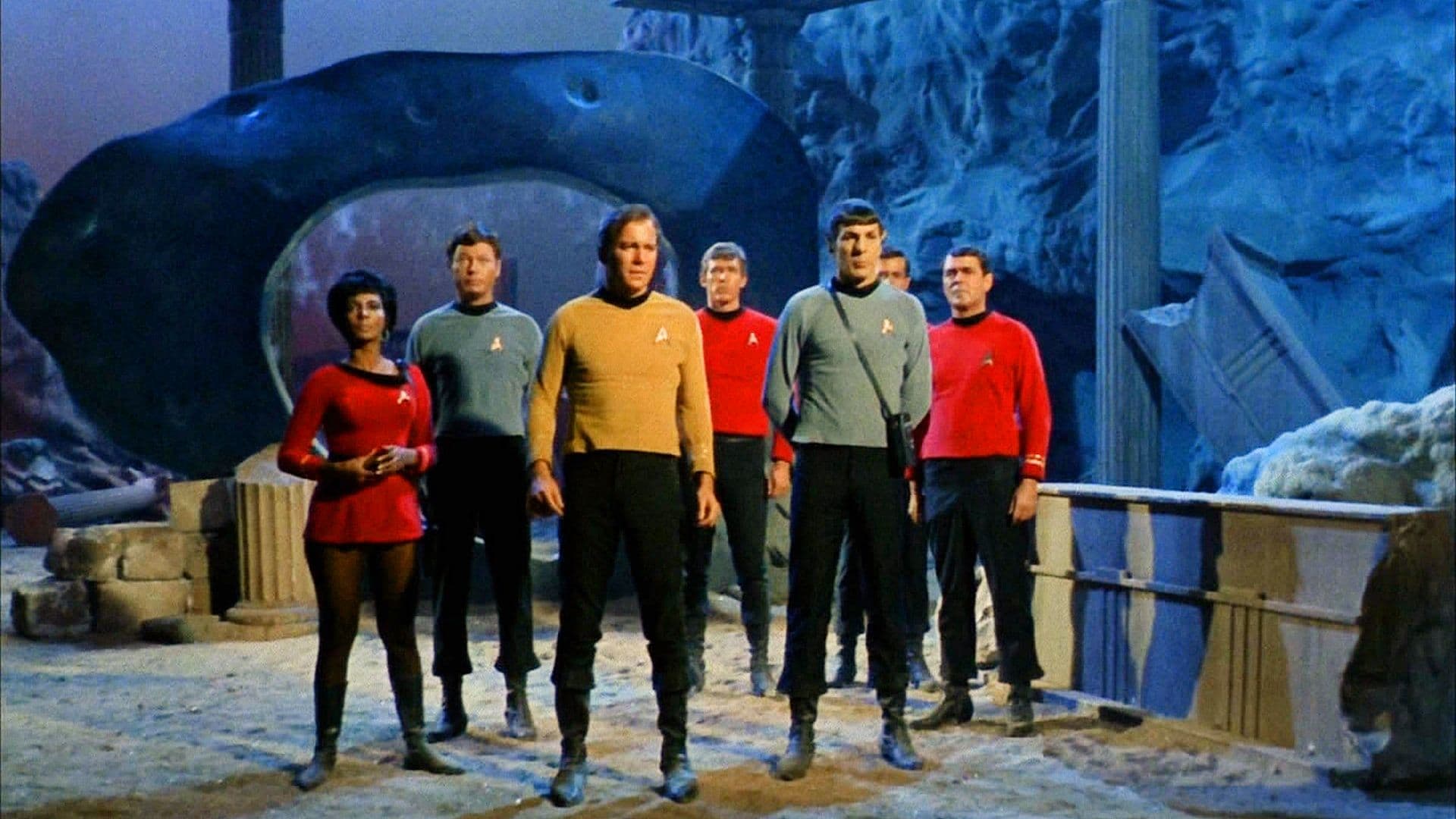
"City on the Edge of Forever" revolves around the USS Enterprise's mission to investigate a time portal on a distant planet. When a tragic accident leads to the disappearance of Dr. McCoy, Captain Kirk and Spock embark on a journey through time, leading them to 1930s Earth. Here, they encounter a young woman, Edith Keeler, whose fate poses a critical moral dilemma for Kirk. The episode beautifully blends action, romance, and ethical questions, cementing its status in the Star Trek canon.
Story Setup
The episode begins with the Enterprise crew responding to a distress signal emanating from the Guardian of Forever, a mysterious portal that offers passage into different time periods. Dr. McCoy accidentally injures himself and, in a frenzied state, leaps through the portal. This sets off a chain reaction that alters the timeline, endangering the very fabric of the universe. Kirk and Spock race against time to rescue him, all while grappling with the consequences of their actions.
The stakes escalate as they arrive in 1930, where they find themselves in the Great Depression, navigating a world that is both foreign and familiar. The charismatic Edith Keeler becomes an essential part of the story, representing hope and vision in a troubled time. Her character embodies the core themes of love, sacrifice, and the question of fate versus free will.
Main Characters
The key players in this narrative include:
-
Captain James T. Kirk (William Shatner): The valiant leader of the USS Enterprise, whose charm and decisiveness are crucial in navigating complex situations. Kirk's character grapples with the weight of leadership and the personal toll of making the right choice.
-
Spock (Leonard Nimoy): The half-Vulcan, half-human first officer, whose logical perspective serves as a counterbalance to Kirk's emotional decision-making. Spock's character is essential for exploring the philosophical underpinnings of the episode, especially regarding sacrifice.
-
Dr. Leonard McCoy (DeForest Kelley): The ship's doctor, whose impulsive actions set the events of the episode in motion. McCoy's character adds depth and humanism to the narrative, showcasing the fragility of human life and interconnectedness.
-
Edith Keeler (Joan Collins): The central figure in the episode's moral dilemma. Her idealism and dedication to helping others create a powerful conflict for Kirk, as he faces an impossible choice that questions the very nature of love and destiny.
Ending or Latest Episode Explained
As the episode draws to a close, Kirk faces a heart-wrenching decision: he can save Edith and consequently doom the timeline to disaster or let her die, thus restoring the future. Ultimately, he chooses to ensure the timeline's survival, leading to Edith's tragic death at the hands of a speeding car. Kirk's heartache at witnessing her demise underscores the poignant blend of personal sacrifice and overarching duty that defines his character.
Kirk's emotional turmoil is palpable, rendered in Shatner's powerful performance. The final scene leaves viewers contemplating the sacrifices inherent in love and duty, establishing this episode as a profound exploration of the human condition. The episode concludes with Kirk and Spock returning to the present, bearing the weight of what transpired, showcasing how one moment can echo through eternity.
What Could Happen Next
Though Star Trek has a plethora of series and films exploring new adventures, the enduring legacy of "City on the Edge of Forever" continues to resonate. Discussions about remakes or spin-offs often surface in fandom communities, hinting at the potential for revisiting this beloved story. Future narratives may explore the consequences of time travel more widely, as shown in recent Star Trek iterations, by delving into alternate timelines or revisiting iconic characters in different contexts.
The continued success of Star Trek also leaves the door open for further exploration of Captain Kirk’s character via new series or adaptations. With the franchise constantly evolving, there’s vast potential to examine what these pivotal moments in Kirk’s life mean in both historical context and future adventures.
Why This Is Trending
Recent discussions highlighting "City on the Edge of Forever" can be attributed to its profound impact on both Star Trek and the wider landscape of science fiction. As fans celebrate anniversary events and retrospectives, new audiences are drawn into its narrative complexity and emotional depth. The timeless themes of time travel, morality, and sacrifice resonate particularly well in today’s cultural climate, where questions of leadership, love, and fate remain ever relevant.
Moreover, as discussions around representation and ethics in science fiction continue, episodes like these remind audiences of the genre's capability to reflect societal issues and human experiences. The episode serves as a compelling reminder of how art influences thought and vice versa, contributing to its status as an enduring favorite.
Final Thoughts
As one of the most rewatchable episodes of Star Trek: The Original Series, "City on the Edge of Forever" stands as an enduring testament to the storytelling prowess of the franchise. It encapsulates the essence of Captain James T. Kirk—the blend of humanity, courage, and the complexities of duty and emotion that define a true leader. While Star Trek continues to explore new realms and faces, this iconic episode remains an unforgettable piece of television history, worthy of continuous revisiting for both old fans and new viewers alike. The legacy of Kirk and the USS Enterprise will continue to inspire generations, proving that the final frontier is indeed worth exploring.