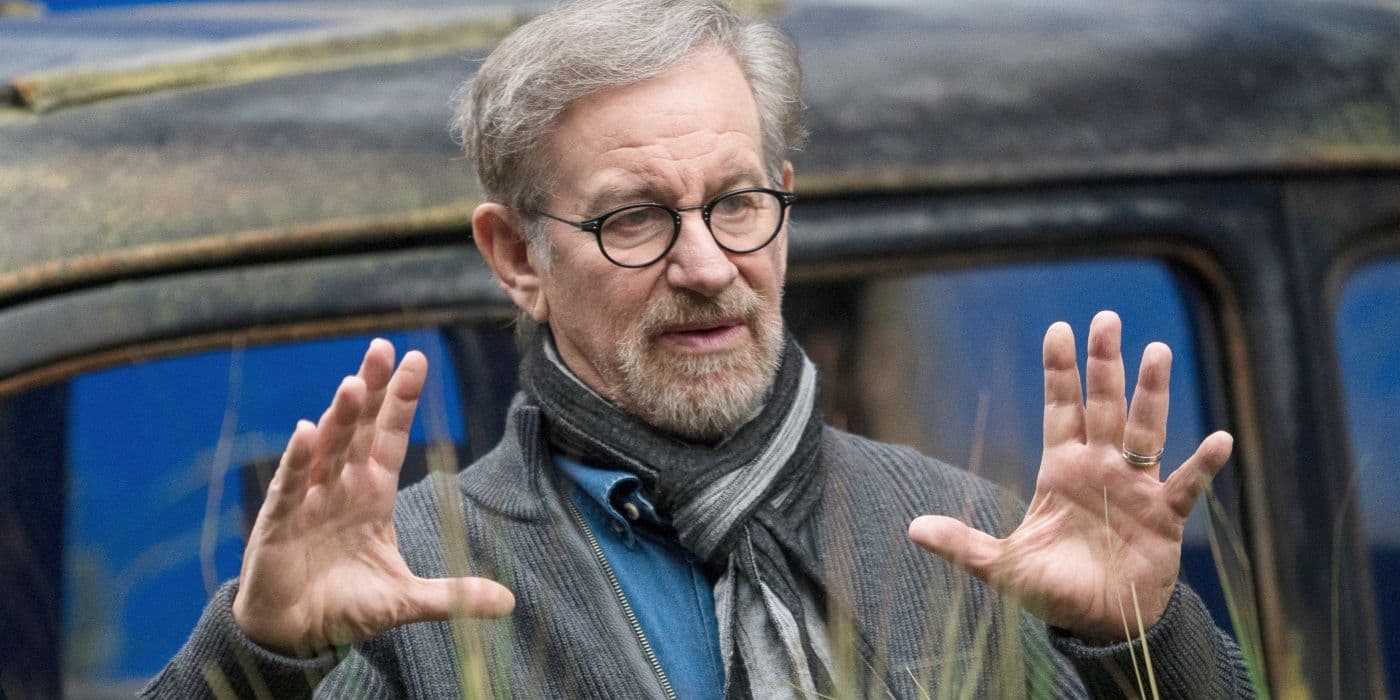
Steven Spielberg Quietly Turned an Accidental On-Set Moment Into a Classic Horror Scene
Steven Spielberg is known for his ability to fuse humor and horror seamlessly, creating a cinematic experience that resonates with audiences regardless of the genre. One of the prime examples of his mastery lies in the classic film Jaws. According to recent insights, an accidental moment during filming transformed into one of the movie's most touching and eerie sequences. Let’s dive deeper into how this unscripted occurrence became an essential part of a horror classic.
Quick Summary
While filming Jaws, a young actor's natural behavior on set sparked a creative idea that Spielberg expertly wove into the fabric of the movie's storytelling. This situation not only added depth to one of the film's core scenes but also showcased Spielberg's ability to adapt and enhance moments that may have otherwise gone unnoticed.
Story Setup
Jaws, released in 1975, tells the terrifying story of a great white shark that terrorizes a small beach town. As local officials struggle to maintain order amidst growing fears, the film centers around a trio of characters tasked with stopping the shark: Police Chief Martin Brody, marine biologist Matt Hooper, and the seasoned shark hunter Quint. The film's suspense and tension are palpable, establishing it as a pioneer in the horror-thriller genre.
The film's story arc explores not just the physical battle against the shark but also the psychological ramifications faced by the townsfolk and the three main characters. Each character is developed through a mix of scripted dialogue and natural interactions, creating a sense of realism that keeps audiences on the edge of their seats.
Main Characters
- Martin Brody: Played by Roy Scheider, Brody is the Police Chief of Amity Island, a role that embodies the reluctant hero. He is a relatable figure, frightened yet determined to protect his community.
- Matt Hooper: Portrayed by Richard Dreyfuss, he is the young marine biologist who understands the shark’s threat. His scientific approach clashes with Brody’s street-smart instincts, creating tension and camaraderie.
- Quint: Robert Shaw’s Quint adds a unique flavor to the mix. A grizzled fisherman with a vendetta against sharks, his obsession leads to a dramatic showdown.
Each character evolves in response to the mounting terror, revealing their strengths and weaknesses. The interplay between them supports the film’s exploration of fear, heroism, and human frailty.
Ending or Latest Episode Explained
As the film progresses, we find the trio on an increasingly dangerous mission to hunt down the shark. After several encounters that ramp up the tension, the characters come face-to-face with the creature in a gripping finale. In a blend of action and emotion, strategic and psychological tensions culminate as they confront a life-threatening situation.
In this climax, it is crucial to remember how Spielberg's ability to create unexpected moments breathed life into the film. The accidental on-set moment, now a beloved scene, underscores the vulnerability of the characters just as much as their bravery.
What Could Happen Next
Given the story's resolution and the demise of the shark, one could speculate about the psychological aftermath for the characters, especially Brody. The film poses questions rather than provides clear answers—what mental scars remain when confronting such terror? Would Brody return to his life as Police Chief without a second thought, or would this experience haunt him long after? Fans and analysts alike continue to ponder the emotional and existential implications of survival against sheer terror.
Future adaptations or sequels may develop these themes, diving deeper into the psychological horror elements that lie beneath the surface of each character’s journey.
Why This Is Trending
Spielberg’s work continues to fascinate both fans of horror and film enthusiasts alike. This newfound insight into how an unscripted moment became essential to Jaws speaks volumes about the dynamic nature of filmmaking. The revelation not only illustrates Spielberg’s genius in embracing spontaneity but also sheds light on the collaborative effort of cast and crew.
In an age where behind-the-scenes stories are celebrated, this particular occurrence gives a fresh perspective on how even accidental moments can shape cinematic history. The film’s ability to evoke unexpected, touching emotions among its audience is part of what keeps it relevant and thought-provoking decades after its release.
Final Thoughts
It is undeniable that the accidental moments on set can create lasting legacies that resonate with viewers long after the credits roll. In the case of Jaws, Spielberg’s quick thinking and recognition of a young actor's innate charm not only enhanced the storytelling but became pivotal in shaping the film into a classic of both horror and cinema.
As fans observe the intricacies and layers of its characters, they can appreciate the meticulous craftsmanship that has gone into making Jaws more than just a simple monster movie. It stands as a rich narrative filled with human emotions, making it a timeless piece of art that continues to inspire and terrify.


