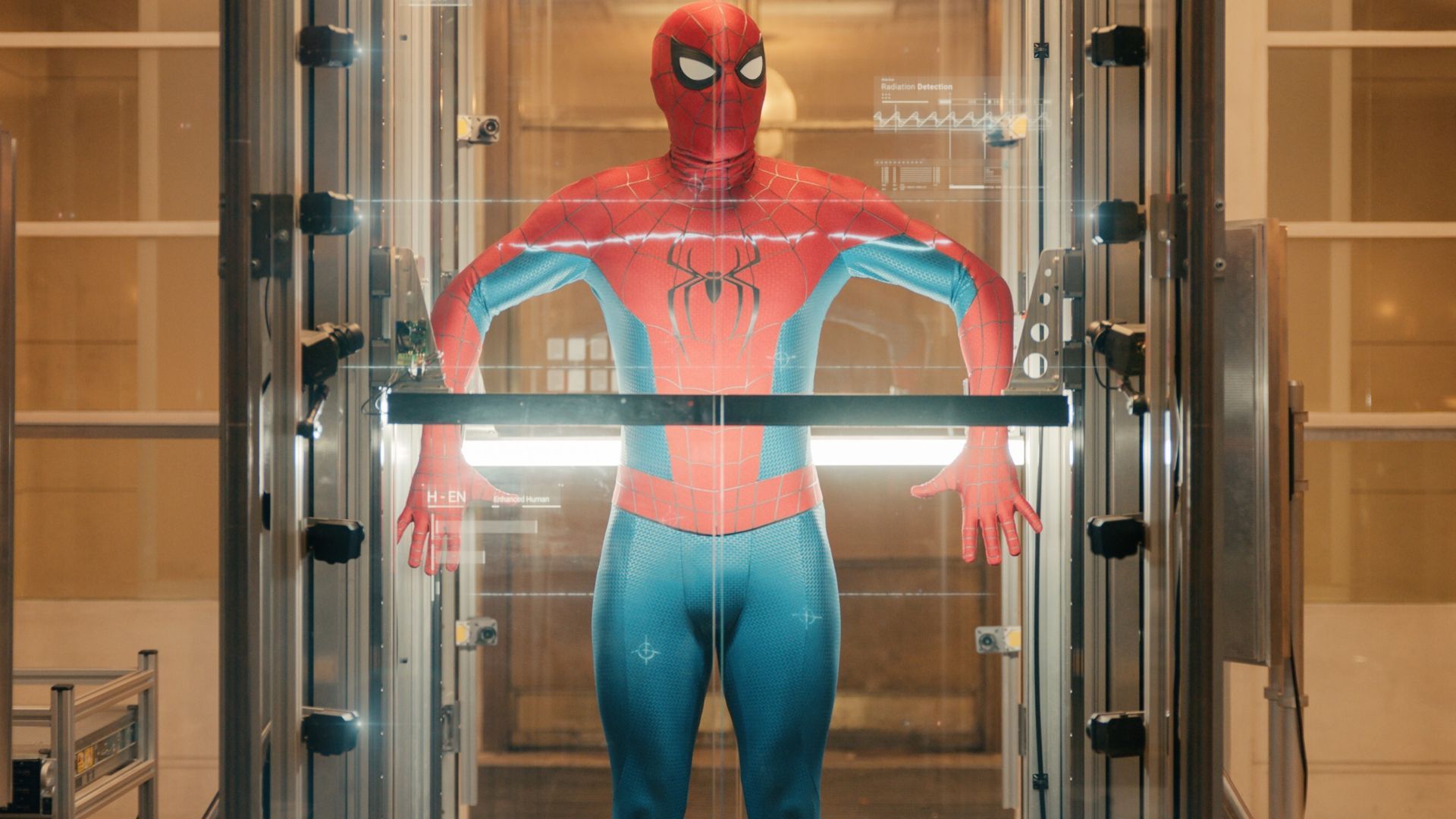
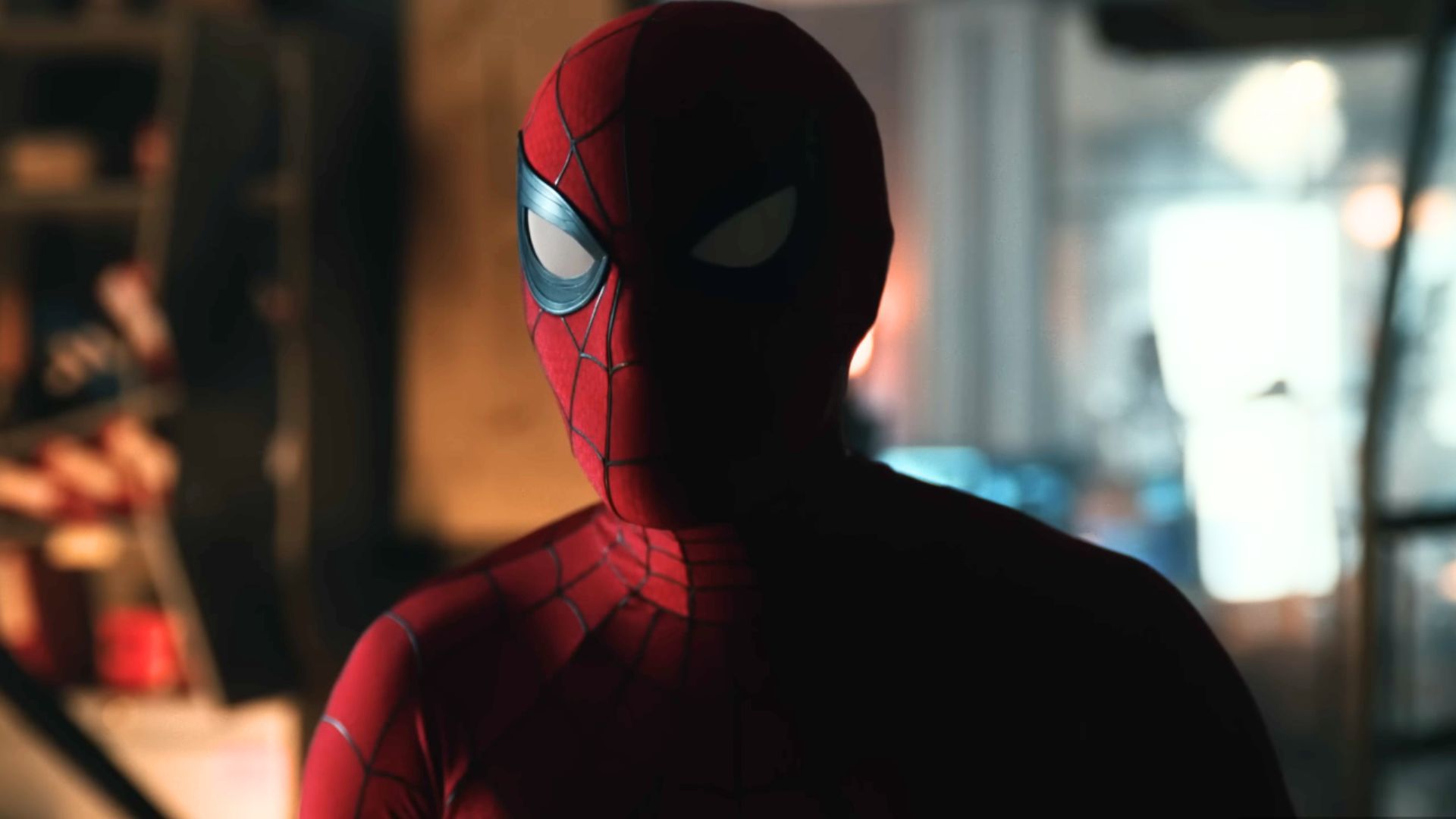
Exploring Spider-Man: Brand New Day's Impact on Cinema
Analyzing the themes, character dynamics, and record-breaking success of 'Spider-Man: Brand New Day'.
Explore a deep analysis of Spider-Man's extensive rogues' gallery, evaluating the strengths and weaknesses of his cinematic villains.
In simple terms, the question at the heart of this analysis is: How do Spider-Man's various cinematic villains rank against one another? From the overly dramatized antagonists to those who seem underdeveloped, the spectrum is wide. The villain portrayal and narrative significance greatly influence their ranking. Ultimately, some villains stand out due to their complexity, while others falter due to weak motivations and poorly crafted story arcs.
Spider-Man's universe boasts one of the most compelling rogues' galleries in comic book history. His adversaries come from diverse backgrounds, representing a wide range of capabilities, from intergalactic beings to more relatable human foes. Some villains resonate due to their depth, backstory, and motivations, making their conflicts engaging. However, others seem dangerously one-dimensional or poorly executed in their cinematic interpretations.
For instance, the shifting portrayal of characters like Venom from comic books to film showcases both the potential for engaging storytelling and the risk of character dilution. While Venom has become a fan favorite, his cinematic adaptations often struggle to capture the essence of his complex narrative.
A unique element of Spider-Man's rogues' gallery is that many villains have appeared multiple times on screen, allowing for various interpretations. Notable villains include Venom, Doctor Octopus, and the Green Goblin. These characters often embody exaggerated forms of their comic counterparts, sometimes leading to divergent character arcs that can disappoint dedicated fans.
The Green Goblin, particularly in his earlier animated forms, displays a compelling blend of intelligence and madness, solidifying him as one of Spider-Man's most formidable enemies. Conversely, the portrayal of characters like Kraven the Hunter in more recent adaptations often lacks the necessary connection to their comic roots, leading to a lackluster result.
Some villains have come under scrutiny for failing to resonate with audiences. For example, Carnage in Venom: Let There Be Carnage was intended to be a chaotic and potent adversary but ended up muddled in a story that failed to deliver on its dramatic promise. Characters like Kraven the Hunter and Morbius also exemplify this; their motivations feel arbitrary, overshadowed by a lack of character development and crumbling narratives.
As the character of Calypso is not well executed in Kraven the Hunter, she suffers from a disjointed backstory that leaves viewers questioning her purpose. This is indicative of the broader issue often faced by Spider-Man's adversaries—their background and relationships to the protagonist are often not adequately fleshed out, leading to weak confrontation scenes.
In contrast, successful portrayals manage to intertwine motivations and complex relationships with Spider-Man. Take, for instance, Doc Ock's character arc in Spider-Man 2. His transformation from a well-intentioned scientist to a villain is portrayed with nuance, allowing audiences to empathize with his descent into madness. This emotional layering is crucial in making a villain memorable and impactful.
Spider-Man: Brand New Day also introduces deeper narratives that reconsider previous antagonists, providing audiences with a fresher angle to analyze motivations and consequences, thereby enriching the overall Spider-Man mythos. The conflicting dynamics often serve to enhance Spider-Man's journey, showcasing the hero's development alongside his adversaries.
The endings of Spider-Man films featuring villains often provide pivotal insights into both the characters involved and the overarching themes of each chapter. When the stakes feel personal, like in the case of Harry Osborn's transformation into the Green Goblin in The Amazing Spider-Man 2, it not only heightens tension but creates emotionally charged climaxes that resonate long after the credits roll.
These conclusions make clear that formidable villains challenge Spider-Man emotionally and ethically, forcing him to confront not just the physical dangers they present, but also the moral implications of their motivations.
Exploring these themes often leads viewers to reconsider the traditional superhero narrative. The presence of flawed villains enhances the depth of Spider-Man's character, compelling him to balance heroism with humanity.
Ultimately, Spider-Man's extensive roster of villains serves as both a mirror and a contrast to his character. Each encounter allows for exploration of deeper themes like redemption, ambition, and the consequences of power, culminating in films that aim to do more than just entertain.
The diminishing allure of some villainous portrayals, however, raises important questions about how to craft complex narratives that sustain audience engagement. Spider-Man: Brand New Day appears to tread new ground, revamping old villains and providing them with renewed life and purpose.
With Spider-Man: Brand New Day introducing a bevy of new adversaries, fans are left to ponder how these characters will fare compared to their predecessors. Will the cinematic adaptations continue to falter in delivering robust villain narratives, or will they rise to match the complexity fans have come to expect from Spider-Man’s story arcs? The future may very well hinge on how filmmakers balance character depth with the sprawling mythos of Spider-Man’s universe.
For further insights into how Spider-Man evolves alongside his foes, check out related articles such as Spider-Man: Brand New Day Review Highlights Shared Universe Success and Exploring the Death of Spider-Man in Brand New Day.
Nailing the essence of what makes a compelling villain will only enhance the Spider-Man saga's enduring allure, ensuring that the web-slinger continues to thrive within the cinematic realm.
Movie explanation
EpisodeBreakdown may use automated tools to assist research, drafting, and formatting. Published pages are governed by our editorial and corrections policies, and source links are shown when they are available in the article record.
Discovery source: TheWrap. The source identifies where the topic was discovered; EpisodeBreakdown is responsible for the commentary published on this page.
Reader response
Reactions and poll results are based on real reader responses. No account is required.