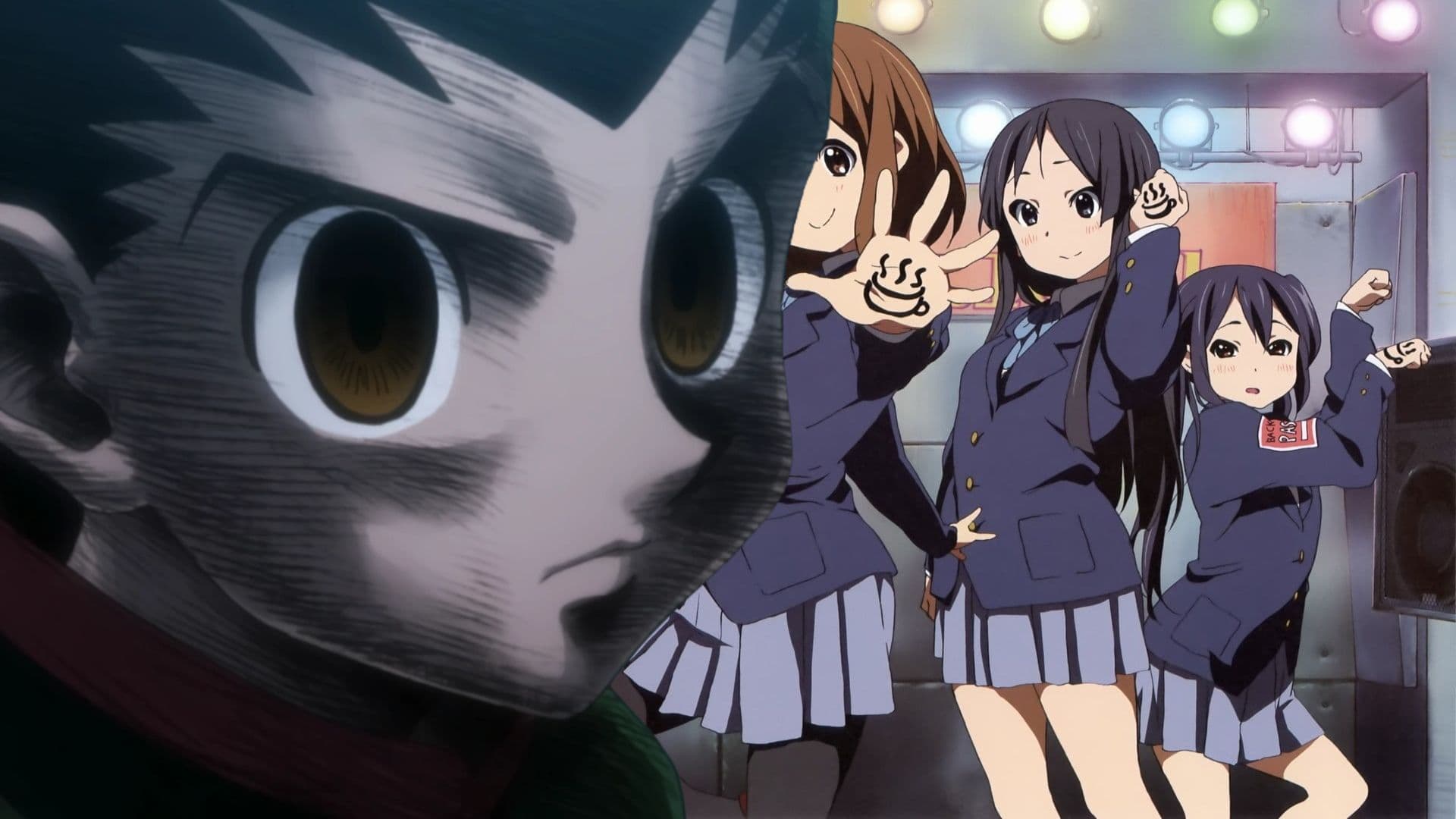
Sorry Shonen Anime Fans, But There's No Anime Too "Dark" For Kids
The world of anime is vast and diverse, catering to a range of tastes and preferences. Shonen anime, known for its action-packed plots and coming-of-age narratives, has captured the hearts of millions. However, recent discussions about the appropriateness of darker themes in shonen titles for younger audiences have ignited a debate among fans. This article will explore the nuances of what it means for an anime to be considered "dark" and why the conversations surrounding it are gaining traction.
Quick Summary
This discussion stems from the perception that some shonen anime incorporate themes and storylines that are too dark for children. Critics argue that marketing these anime as suitable for younger audiences may be irresponsible, while others believe it’s essential to acknowledge that complex narratives can resonate with children positively. Understanding the balance between engaging storytelling and age-appropriate content is at the heart of this ongoing debate.
Story Setup
The term "dark" in anime typically refers to narratives that address serious or mature themes such as death, betrayal, trauma, and moral dilemmas. Many popular shonen series, such as Attack on Titan and Death Note, explore these themes through intricate character arcs and high-stakes scenarios. The question arises: Are these shows too intense for their target demographic?
In an age where children have access to a variety of content through streaming services, parents and educators are becoming increasingly scrutinous of what their kids watch. The fear is that exposure to extreme violence or disturbing moral quandaries could have lasting effects on impressionable minds. However, proponents of darker shonen titles argue that they can serve as important platforms for discussions about personal and societal issues. These narratives might even foster resilience and critical thinking in young viewers by allowing them to process complex emotions through fiction.
Main Characters
While there are many beloved characters in dark shonen anime, some stand out for their depth and relatability. For instance, Eren Yeager from Attack on Titan tackles themes of revenge and freedom, drawing viewers into a world where moral lines are often blurred. His journey reflects the struggles of adolescence—years marked by uncertainty and intense change.
Another notable figure is Light Yagami from Death Note, a character who struggles with the consequences of his godlike powers. Light's transformation from an idealistic student to a villain showcases the complexity of human motivation, giving audiences a chance to contemplate the cost of one's choices. Characters like these enrich the narrative and offer viewers a chance to engage with profound themes, albeit in a complex manner.
Ending or Latest Episode Explained
As the discussion continues, viewers have been reflecting on recent developments in ongoing shonen anime series. For instance, the recent arc in My Hero Academia has delved deeper into the darker elements of heroism and societal failure. Fans are eager to analyze how these narratives evolve and what implications they hold for younger spectators. While the latest episodes showcase an increase in tension and conflict, they also lean into moral lessons about friendship, sacrifice, and the importance of standing up against injustice. This complexity has sparked conversations among fans about just how much weight these narratives can carry for a younger audience.
What Could Happen Next
Given the current trajectory of shonen anime, it is likely that creators will continue to push the boundaries of storytelling, integrating darker themes while attempting to remain relatable for younger viewers. This could create a dynamic where upcoming anime titles merge enjoyable adventure with sobering themes, contributing to richer character development and intricate plots. Fans can expect discussions to evolve, debating how to balance entertainment with education in the narratives on-screen.
Future releases may also examine the implications of darker themes in a way that invites parental guidance and deeper conversations, further bridging the gap between child-friendly content and compelling storytelling.
Why This Is Trending
The conversation surrounding this topic is gaining momentum for a variety of reasons. Increased access to diverse content has led parents to reevaluate what they consider age-appropriate, making this a pressing issue in family discussions. Social media platforms provide a forum for animated debate, where fans share their thoughts and argue the merits or consequences of dark themes in a genre known for its youthful spirit.
Moreover, the rise in popularity of titles centered on complex themes shows a cultural shift among viewers who are enthusiastic about intelligent storytelling. Many fans argue that rather than shying away from dark material, creators should embrace it, as it often leads to deeper understanding and emotional resonance. This growing acceptance surrounds a belief that every viewer, regardless of age, deserves the right to experience challenging yet rewarding narratives.
Final Thoughts
As the anime landscape continues to evolve, the discussions about the suitability of dark themes in shonen titles show no signs of waning. While some argue that such themes should be carefully monitored for younger audiences, others advocate for the inclusion of complex narratives designed to challenge and engage all viewers.
No matter where one stands in this debate, the most important takeaway is the understanding that anime can be both enjoyable and thought-provoking. Ultimately, the goal is to create stories that promote growth, empathy, and understanding. Whether through lighthearted adventures or dark explorations of the human experience, anime will remain an essential part of the conversation surrounding storytelling in the digital age.