10 Years Later, ‘Sing Street’s Director Shares His Real Take on That Ambiguous Ending
The beloved musical drama ‘Sing Street,’ released in 2016, has captured the hearts of audiences around the world. Set in Dublin during the 1980s, the film weaves a tale of youthful ambition, romance, and the transformative power of music. As the film approaches its tenth anniversary, director John Carney revisits its bittersweet ending in a recent interview. Many fans have debated the implications and outcomes for the characters, but Carney’s insights may provide the clarity that has eluded viewers since the credits rolled.
Quick Summary
In his candid reflections, Carney discusses the intentions behind the film's ending, shedding light on the fates of key characters, particularly lead singer Conor and his love interest, Raphina. The director emphasizes the narrative choice to leave certain elements ambiguous, encouraging audience interpretation. This evolution of thought comes alongside discussions about his new project, “Power Ballad,” which also delves into the intricate relationship between music and storytelling.
Story Setup
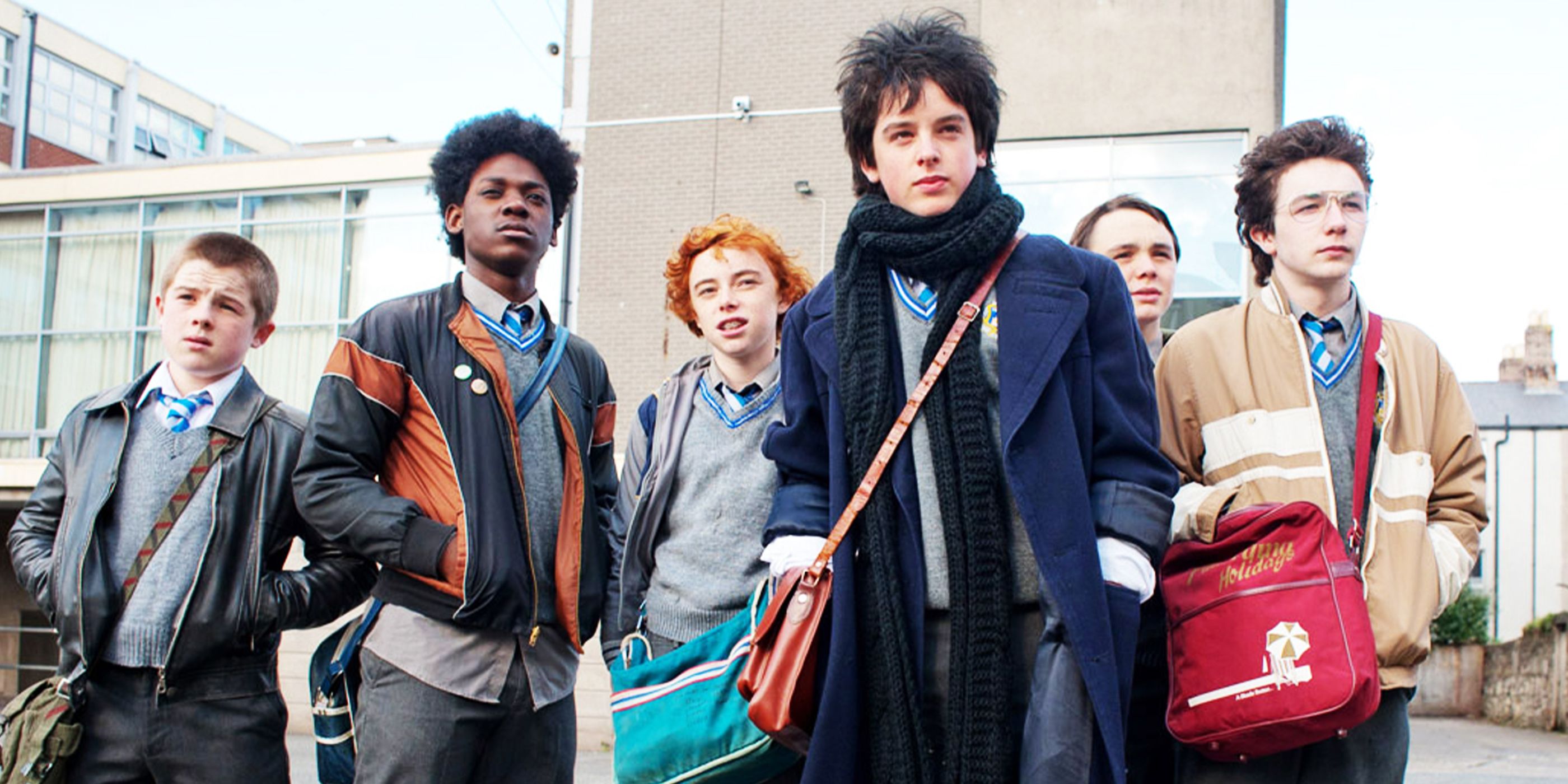
‘Sing Street’ follows the journey of Conor, a teenager navigating the turbulent waters of adolescence in 1980s Dublin. Faced with familial struggles and the numerous challenges that come with young love, Conor decides to form a band to impress Raphina, a girl with dreams of becoming a model. This decision sets off a chain of events filled with musical experimentation, friendship, and self-discovery. The film's vibrant soundtrack elevates its nostalgic charm, featuring original songs that encapsulate the teenage spirit.
As the story unfolds, we witness Conor evolving both as a musician and as a person. His interactions with his friends provide comic relief while offering a heartwarming glimpse into the power of camaraderie. The film's production value, coupled with Carney’s adept direction, creates an engaging atmosphere that resonates with viewers.
Main Characters
Conor (played by Ferdia Walsh-Peelo)
The protagonist and aspiring musician, Conor embodies the struggles of adolescence. His evolution throughout the film illustrates the influence of music on personal growth.
Raphina (played by Lucy Boynton)
The girl of Conor's dreams, Raphina represents both aspiration and uncertainty, embodying the complexities of young love.
Brendan (played by Jack Reynor)
Conor’s older brother serves as a mentor figure, offering guidance and wisdom while navigating his own path.
Other Band Members
The dynamic between Conor’s eclectic group of friends further enriches the narrative, with each character bringing a unique perspective on friendship and loyalty.
Ending or Latest Episode Explained
The ending of ‘Sing Street’ is one that has sparked endless conversations among viewers. As the movie concludes, Conor and Raphina are seen making plans to leave Dublin together, but the film abruptly cuts before revealing their ultimate fate. This ambiguity has had fans speculating about whether they achieved their dreams or faced challenges that pulled them apart.
In his recent interview, Carney reflects on this choice, noting that the ambiguous ending was deliberate. He aimed to capture the essence of youth—how it is often filled with unanswered questions and unpredictability. Carney believes that the true essence of the film lies not in the destination, but in the journey and the dreams one chases along the way. By leaving the ending open to interpretation, he invites the audience to ponder their conclusions about Conor and Raphina’s futures.
For Carney, the film is about the power of music to inspire change and connect people. He hints that the journey is more significant than the outcome, positioning ‘Sing Street’ as a reflective piece that highlights the beauty in uncertainty.
What Could Happen Next
Given the film's memorable conclusion and its ongoing popularity, discussions surrounding a potential sequel have flourished. Carney, however, believes that revisiting the characters might detract from the original film's impact. Instead, he emphasizes the importance of allowing viewers to create their narratives around the characters.
Speculation about Conor and Raphina's paths can be subjective, with various interpretations reflecting personal experiences. Some fans envision them achieving their musical dreams, while others anticipate a more realistic approach filled with struggles and growth. The ongoing debate symbolizes the inherent charm of storytelling – it doesn't just end with the film; it continues in the minds of its audience.
Why This Is Trending
As 2026 marks a decade since the film's release, ‘Sing Street’ has experienced a resurgence in popularity. The nostalgia of the 1980s, coupled with the film's timeless themes, resonates with new audiences while keeping long-time fans engaged. Carney's insights into the film's ending reignite conversations about its depth, making it a focal point for both critics and fans on social media. Additionally, with Carney's new project “Power Ballad” on the horizon, there is renewed interest in his artistic evolution and vision for exploring music in cinema.
Final Thoughts
As ‘Sing Street’ celebrates its tenth anniversary, audiences are reminded of the film's messages about dreams, friendships, and the complexities of young love. John Carney's reflections on the ambiguous ending offer valuable insights, but ultimately, they pave the way for personalized interpretations. Whether fans view the conclusion as a hopeful beginning or a somber farewell, the legacy of ‘Sing Street’ continues to thrive, making it a quintessential coming-of-age story that celebrates the highs and lows of youth. Fans of the film eagerly await Carney's next musical endeavor, which will no doubt carry the same heart and passion that made ‘Sing Street’ a modern classic.