Introduction
In recent years, we've witnessed a significant shift in the landscape of shonen anime. Historically, the genre has been characterized by courageous heroes who embody strength, resilience, and relentless determination. However, a new trend is emerging: protagonists who are openly vulnerable, showcasing real fear, trauma, and imperfections. This evolution raises intriguing questions about storytelling and character development in anime, making these characters more relatable and compelling than ever before.
Quick Summary
Shonen anime protagonists are increasingly portrayed with layers of vulnerability. This has allowed audiences to connect with them on a deeper emotional level. By exploring themes of fear and trauma, modern shonen stories add complexity to their heroes, challenging traditional ideals of masculinity and heroism. As a result, fans are finding these characters more relatable, prompting discussions within the anime community.
Story Setup
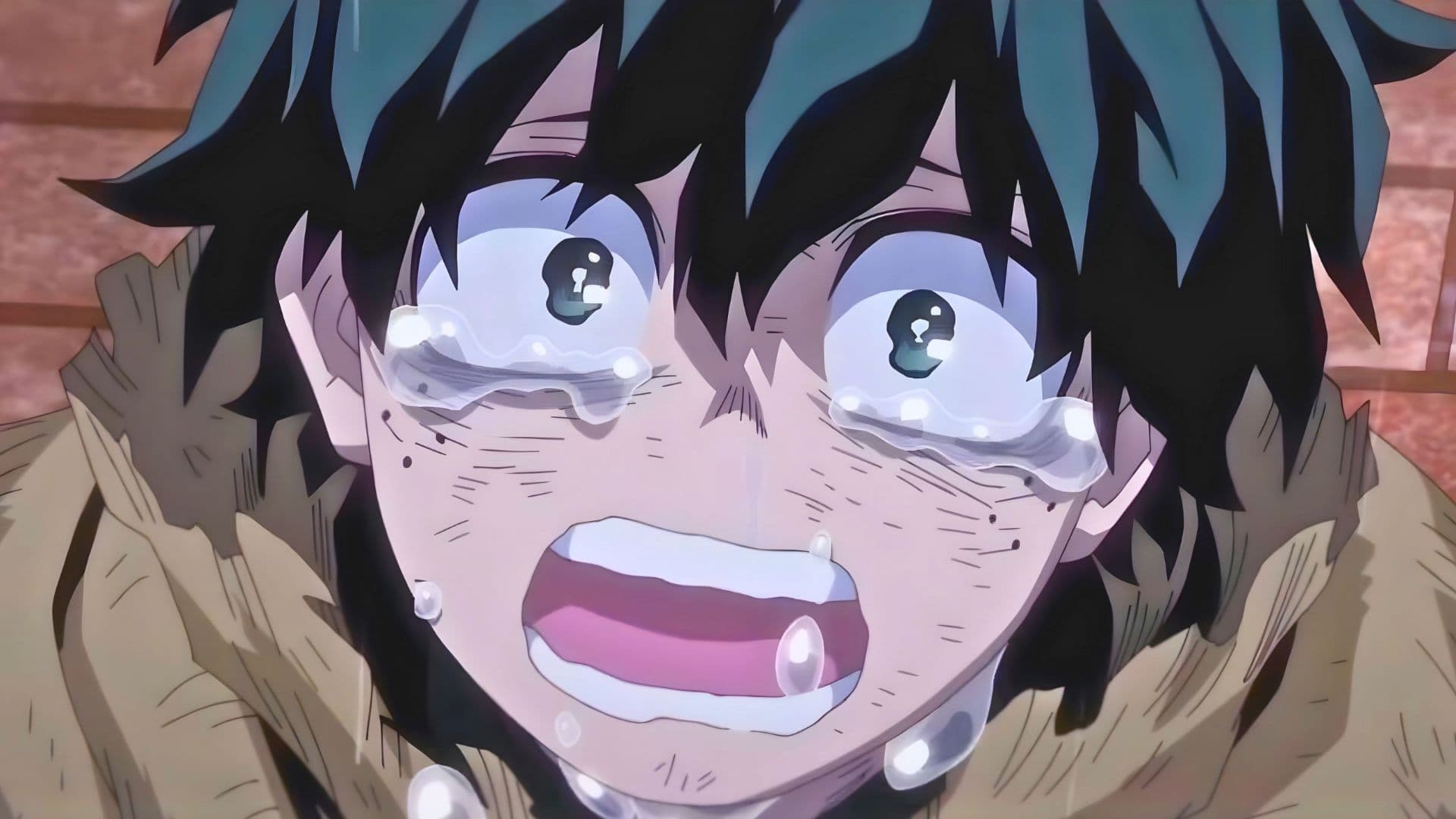
The essence of shonen has always revolved around growth through struggle. While past protagonists faced overwhelming odds with unyielding courage, contemporary heroes are depicted grappling with their emotional landscapes. Consider the likes of Izuku Midoriya from "My Hero Academia" or Tanjiro Kamado from "Demon Slayer." Both characters deal with significant adversities that shape their journey. Midoriya often grapples with his insecurities and self-doubt, contrasting sharply with the typically invincible heroes we are used to. Similarly, Tanjiro faces the trauma of loss and suffering, which humanizes him and makes his quest for vengeance resonate with the audience.
By allowing characters to confront their vulnerabilities, modern shonen anime delves into more grounded storylines. This creates a narrative space where emotional expression is not only welcomed but encouraged, enhancing storytelling depth.
Main Characters
Izuku Midoriya (My Hero Academia)
As the central character of "My Hero Academia," Midoriya is a prime example of vulnerability leading to growth. Born without powers in a world where they are the norm, he faces continuous self-doubt. His journey from an insecure boy to a capable hero showcases that being vulnerable allows for personal growth and deeper connections with others.
Tanjiro Kamado (Demon Slayer)
In "Demon Slayer," Tanjiro embodies compassion alongside his fighting spirit. His vulnerability surfaces through his emotional responses to the loss of loved ones. Unlike traditional shonen heroes, Tanjiro's kindness creates a unique dynamic as he battles demons. This blend of strength and sensitivity makes him an exemplar of the modern shonen protagonist.
Aki Hayakawa (Chainsaw Man)
In "Chainsaw Man," Aki also presents a nuanced narrative of vulnerability. As he deals with the repercussions of loss and betrayal, Aki’s emotional struggles reveal a differing style of heroism. His journey compels viewers to reflect on the cost of dreams and the weight of responsibility, making him relatable in a world where not all heroes win.
Ending or Latest Episode Explained
As of the latest episodes, shonen anime continues exploring these themes. While specific spoilers are unavailable based on the current public metadata, it is likely that these characters will face even more profound challenges that test their vulnerabilities. Concepts around mental health, the weight of past traumas, and confronting fears will probably remain at the forefront.
The conclusion of these arcs often shows characters overcoming their challenges—not just through sheer physical strength but through emotional resilience. This creates a more significant impact as viewers witness characters not only engaging in battles but also learning to accept their vulnerabilities as a part of their hero's journey.
What Could Happen Next
As shonen anime evolves, we can likely expect more series to embrace this trend of vulnerability. Future characters may continue to navigate their emotional landscapes while balancing their roles as heroes. This could lead to explorations of complex themes such as mental health, toxic masculinity, and the stigma surrounding discussing emotional challenges in a quest-driven genre.
The success of such story arcs may spawn new narratives across the genre, encouraging creators to innovate in their character development. If this trend grows, we may see a wave of new protagonists who redefine heroism through vulnerability, appealing to a broader audience looking for sincerity in storytelling.
Why This Is Trending
Fans are talking about this shift towards vulnerable protagonists for several reasons. For one, it reflects a greater societal acceptance of discussing mental health and emotional struggles. Many viewers see elements of themselves in these characters, helping to normalize their own feelings of inadequacy and trauma. Sharing these experiences through beloved anime characters fosters a sense of community and understanding among fans.
Moreover, social media platforms are buzzing with discussions and memes that compare traditional heroes with the new breed of emotionally complex protagonists. This discourse highlights the changing cultural landscape and how anime is adapting to modern values. The trend is amplified through fan art, discussions on forums, and analyses that dissect character motivations.
Final Thoughts
The evolution of shonen anime heroes toward vulnerability signifies a monumental shift in narrative style. By allowing characters to experience and express fear, trauma, and weakness, anime creators are making deeper connections with their audience. This trend is not only refreshing but also promotes a healthier view of masculinity and heroism.
As fans continue to embrace these multifaceted characters, one thing is clear: vulnerability is a strength, and in the world of shonen anime, it works. This bold courage to step away from traditional depictions of heroic masculinity is paving the way for a more inclusive and emotionally rich genre. The future of shonen promises even more relatable stories that resonate with viewers, allowing them to find strength in their vulnerabilities. Every challenge faced by modern heroes is a reflection of our own battles, making these stories not just entertaining but also therapeutic.