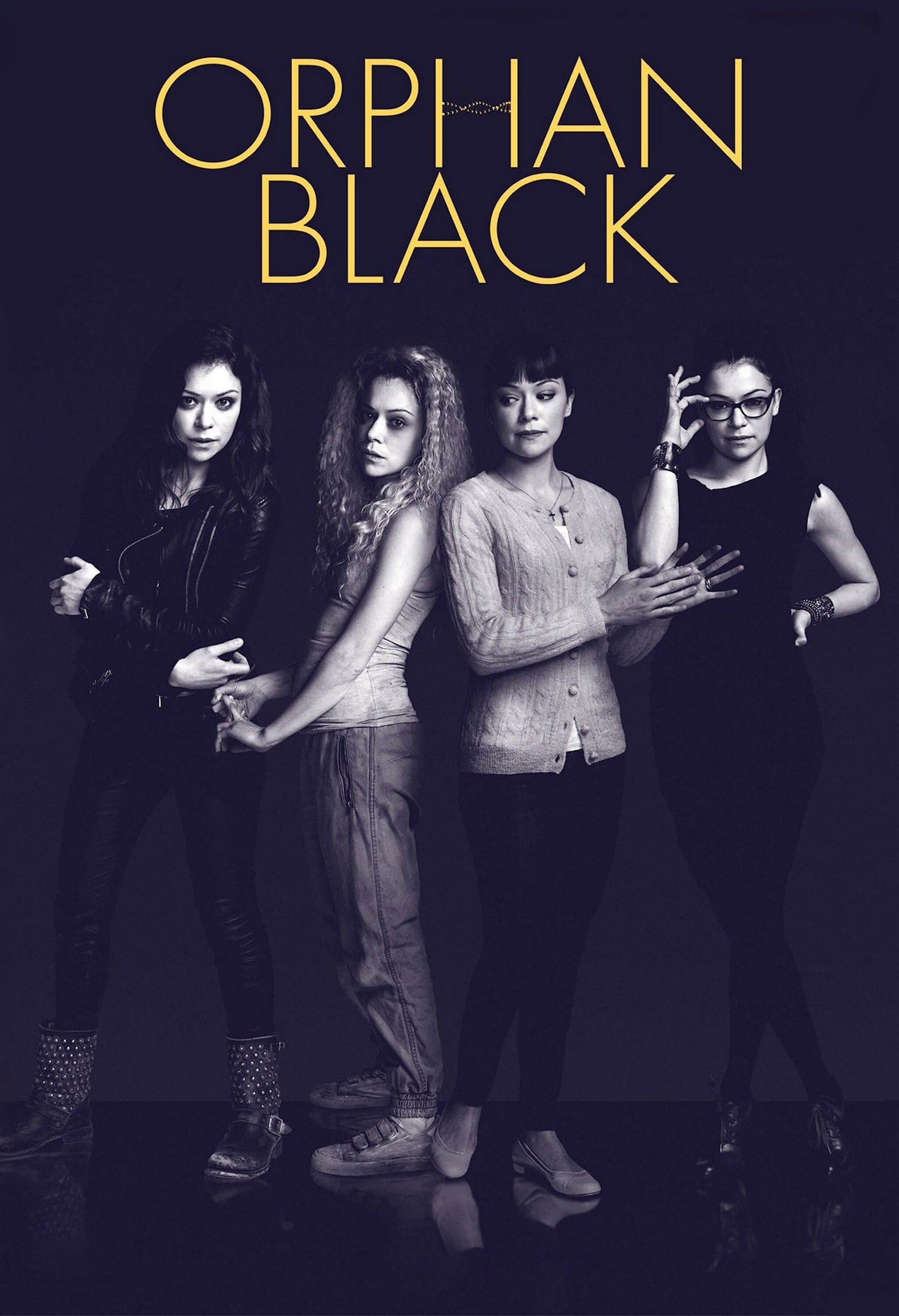
Orphan Black Episode Breakdown: Story, Characters, and Ending Explained
Orphan Black is a groundbreaking series that captivated audiences with its unique blend of drama, science-fiction, and thriller elements. Since its premiere on March 30, 2013, the show has garnered critical acclaim as it explores themes of identity, free will, and the ethical dilemmas surrounding cloning. The series ultimately concludes on August 12, 2017, leaving a lasting impact on its viewers. In this breakdown, we will delve into the story setup, main characters, and the series' ending, giving you an encapsulated view of this mesmerizing journey.
Quick Summary
Orphan Black follows the life of Sarah Manning, a street-smart orphan whose life spirals into chaos when she witnesses the suicide of a woman named Beth, who looks just like her. In a desperate attempt to escape her own struggles, Sarah assumes Beth's identity. But as she becomes entwined in Beth's world, she uncovers a staggering truth: she and Beth are part of a clandestine cloning experiment. This revelation propels Sarah into a dangerous conspiracy that unfolds across intricate layers of deception and intrigue, making her quest for answers both thrilling and terrifying.
Story Setup
The series opens with Sarah Manning, who is struggling to make ends meet and is deeply lost in her life. The dramatic turning point occurs when she witnesses a woman, who appears to be her doppelgänger, take her own life. Out of sheer desperation and survival instincts, Sarah seizes the opportunity to take on Beth's life—claiming her belongings, her identity, and even her boyfriend. This sets off a chain reaction that thrusts Sarah into a world of scientific ethics and moral dilemmas.
As Sarah digs deeper into Beth’s past, she learns that she is one of many clones, each created with a specific purpose, and that a larger conspiracy involving their creators is in motion. The storytelling intricately weaves suspense and shocking revelations, as Sarah must navigate a treacherous path to understand who she is and what that means in a world where her very existence is the result of scientific experimentation.
Main Characters
Sarah Manning: The protagonist and a complex character, Sarah is portrayed as a resourceful and tough individual. As she embarks on her journey of self-discovery, she grapples with her identity as a clone and what that implies for her autonomy.
Beth Childs: The woman whose life Sarah assumes, Beth is a crucial character in the unfolding mystery. Her past and connections reveal the deeper layers of the cloning conspiracy, making her a pivotal element in both Sarah's transformation and the overarching narrative.
Alison Hendrix: Another one of Sarah's replicates, Alison represents an entirely different life, complete with its own unique struggles. Her character adds a layer of dark humor and the humanizing elements of family life amidst the chaos of being a clone.
Cosima Niehaus: The scientific and intellectual clone, Cosima embodies the curiosity and ethical concerns related to cloning. Her storyline adds depth by questioning the moral ramifications of their existence.
Rachel Duncan: As one of the central antagonists, Rachel is a clone with ambitions that place her at the center of the conspiracy. Her character introduces tension and conflict that drives much of the plot, making her interactions with Sarah crucial for both intrigue and foreshadowing.
These characters, each uniquely crafted, not only contribute to the storyline but also delve into complex themes regarding identity, morality, and what it means to be human in a world filled with clones.
Ending or Latest Episode Explained
The series culminates in an emotionally charged finale where the true extent of the cloning conspiracy is ultimately revealed. As Sarah and her fellow clones confront various challenges, they band together to fight against those who wish to control their lives and exploit them. The series does not stray away from the harsh realities of their existence, delivering a powerful message regarding ownership of one's identity.
In the final episodes, the clones face heavy losses and moral dilemmas that force them to question their humanity. The ultimate resolutions provide a bittersweet closure, as characters make sacrifices for both their safety and the future of clones everywhere. The ending emphasizes themes of sisterhood, autonomy, and the moral questions surrounding cloning while leaving some mysteries tantalizingly unresolved, inviting discussion among fans long after the show concluded.
What Could Happen Next
Fans of Orphan Black have speculated about potential spin-offs or reboot ideas, pondering the rich world of cloning and its ethical implications that remain unexplored. Given the complex nature of the narrative, there’s plenty of fertile ground for storytelling in a sequel or companion series. New characters could emerge, potentially diving into different aspects of cloning, science, and ethics in contemporary society. It would also be fascinating to explore how Sarah's experiences ripple out into the broader world now aware of clone existence, potentially leading to societal and political upheaval.
Why This Is Trending
Orphan Black continues to trend due to its growing legacy in the science-fiction genre, praised for its strong performances, particularly by Tatiana Maslany, who portrays multiple clones with distinct personalities. The show's progressive insights into identity, agency, and ethical science resonate strongly in today's cultural climate. Additionally, its relevant themes have spurred conversations on cloning and personal agency, attracting both new viewers and long-time fans eager to discuss its implications.
Final Thoughts
Orphan Black is more than a series about cloning; it's a profound exploration of self and identity in a world where humanity can be manufactured. With its smart writing, strong performances, and a suspenseful plot, it sets a high standard for shows in the genre. The series not only entertained but also encouraged viewers to think critically about the ethical dimensions of science and the nature of humanity. While the series has ended, its impact continues to resonate, ensuring that audiences remain captivated long after the credits have rolled.

