Only 3 Movies Have Better Screenplays Than 'Casablanca'
Casablanca is not just a classic film; it’s a cornerstone of cinematic history, renowned for its unforgettable dialogues, complex characters, and a timeless love story. However, recent discussions have surfaced around the claim that only three films possess screenplays that might rival or even surpass that of Casablanca. This article dives into the significance of Casablanca’s screenplay, its revered status in film history, and the films that vie for its title as the best screenplay ever written.
Quick Summary
Casablanca's screenplay, crafted by Julius J. Epstein, Philip G. Epstein, and Howard Koch, has been celebrated for decades. But in evaluating its legacy, critics now argue that films such as Chinatown, The Godfather, and Pulp Fiction stand as worthy adversaries. This article not only highlights these films but also delves into why Casablanca remains such a pivotal piece of cinema.
Story Setup
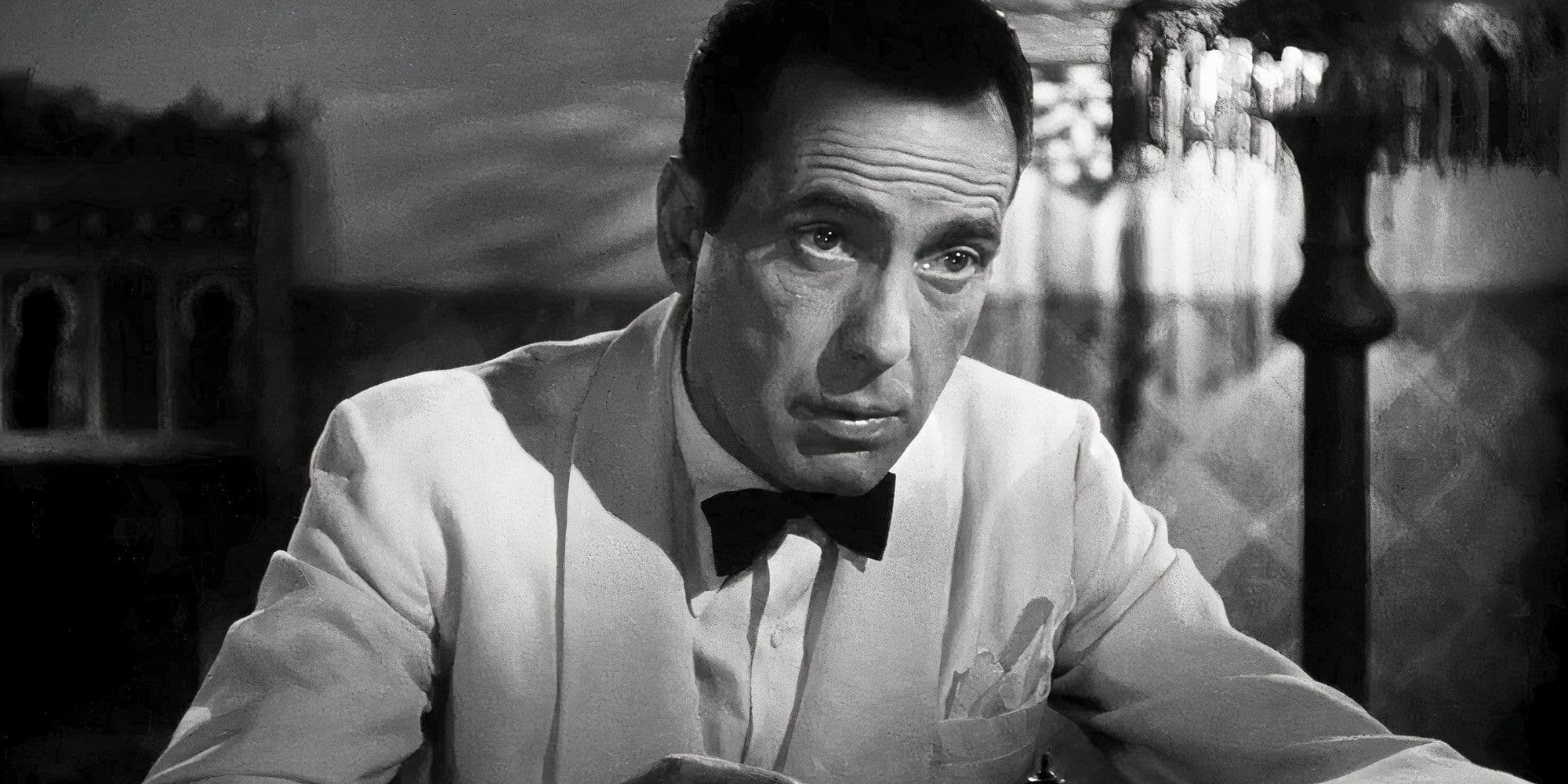
Set against the backdrop of World War II, Casablanca tells the story of Rick Blaine (Humphrey Bogart), an expatriate American who runs a nightclub in the Vichy-controlled Moroccan city. When his former lover Ilsa Lund (Ingrid Bergman) enters his life once more, now married to Victor Laszlo (Paul Henreid), tensions rise. Rick is presented with a moral dilemma: to rekindle a past romance or help Ilsa and Victor escape the Nazi regime.
The screenplay's brilliance lies in its layered storytelling—combining romance, sacrifice, and political intrigue. The wise use of dialogue encapsulates the emotional depth of the characters, especially Rick, who transforms from a jaded cynic to a hopeful romantic throughout the film.
Main Characters
- Rick Blaine (Humphrey Bogart): A cynical bar owner with a complex past, Rick’s character encapsulates the essence of lost love and redemption. His growth reflects the overarching themes of the film, questioning what one sacrifices for love and for the greater good.
- Ilsa Lund (Ingrid Bergman): Torn between her love for Rick and her commitment to Victor, Ilsa’s character embodies the conflict of loyalty in tumultuous times. Her relationship with Rick showcases the poignant dynamics of love disrupted by war.
- Victor Laszlo (Paul Henreid): A principled leader fighting against oppression, Victor represents hope and resistance. His dedication to the cause places him in direct contrast to Rick’s initial apathy.
- Captain Renault (Claude Rains): The morally ambiguous police captain who brings both humor and depth to the story, Renault serves as a foil to Rick, often swaying between loyalty and self-preservation.
Ending or Latest Episode Explained
Casablanca's conclusion is as legendary as its script. After intense emotional conflict, Rick makes the ultimate sacrifice for love and heroism. He chooses to help Ilsa and Victor escape, uttering the iconic line, “Here’s looking at you, kid,” as he bids farewell to Ilsa. The film ends with Rick’s decision to join the fight against tyranny, symbolizing hope and the enduring power of love.
The bittersweet ending leaves a profound impact on the audience, balancing the theme of personal sacrifice with the larger message of fighting for freedom—a testament to the depth and complexity of its screenplay.
What Could Happen Next
While Casablanca itself is a completed story, discussions about rival screenplays prompt speculation about the direction of modern storytelling. With the rise of streaming platforms and changes in audience consumption, future films could draw inspiration from the narrative depth of classics while integrating contemporary themes.
Interestingly, as audiences have shown increased interest in historical narratives, the relevance of films like Casablanca continues to hold; they could inspire adaptations or reimaginings that tread similar grounds, echoing the socio-political narratives that shape our present-day experiences.
The conversation sparked by the supremacy of screenplays invites aspiring writers and filmmakers to push creative boundaries, aspiring to blend genre, structure, and character depth in ways reminiscent of Casablanca’s brilliance.
Why This Is Trending
The ongoing debate over Casablanca’s screenplay emphasizes the timeless nature of cinematic storytelling. As film enthusiasts dissect and evaluate the merits of various screenplays, it reminds us of the ever-evolving landscape of cinema. The allure of classic films often lies in their capacity to inspire newer generations of filmmakers, and such discussions keep the dialogue alive.
Additionally, major film anniversaries and retrospectives have propelled Casablanca back into the limelight, making it a prime subject of discussion amongst both critics and casual viewers. The assertion that better screenplays now exist challenges cinephiles to reconsider their definitions of excellence in film writing.
Final Thoughts
Casablanca will forever remain a monumental film, often regarded as the gold standard for screenplay writing, weaving intricate themes of love, sacrifice, and resilience against a backdrop of historical turmoil. The recent claim that three movies trump its screenplay serves as both a celebration of cinema's rich history and a motivation for future storytellers looking to craft similarly impactful narratives.
While the debate rages on, Casablanca stands as a shining example of how powerful storytelling can resonate across generations. Whether it is indeed outdone by movies like Chinatown, The Godfather, or Pulp Fiction is almost secondary to the ongoing appreciation of film as an art form. As long as audiences share stories and connect through cinema, the legacy of Casablanca—and the discussions surrounding it—will thrive.


