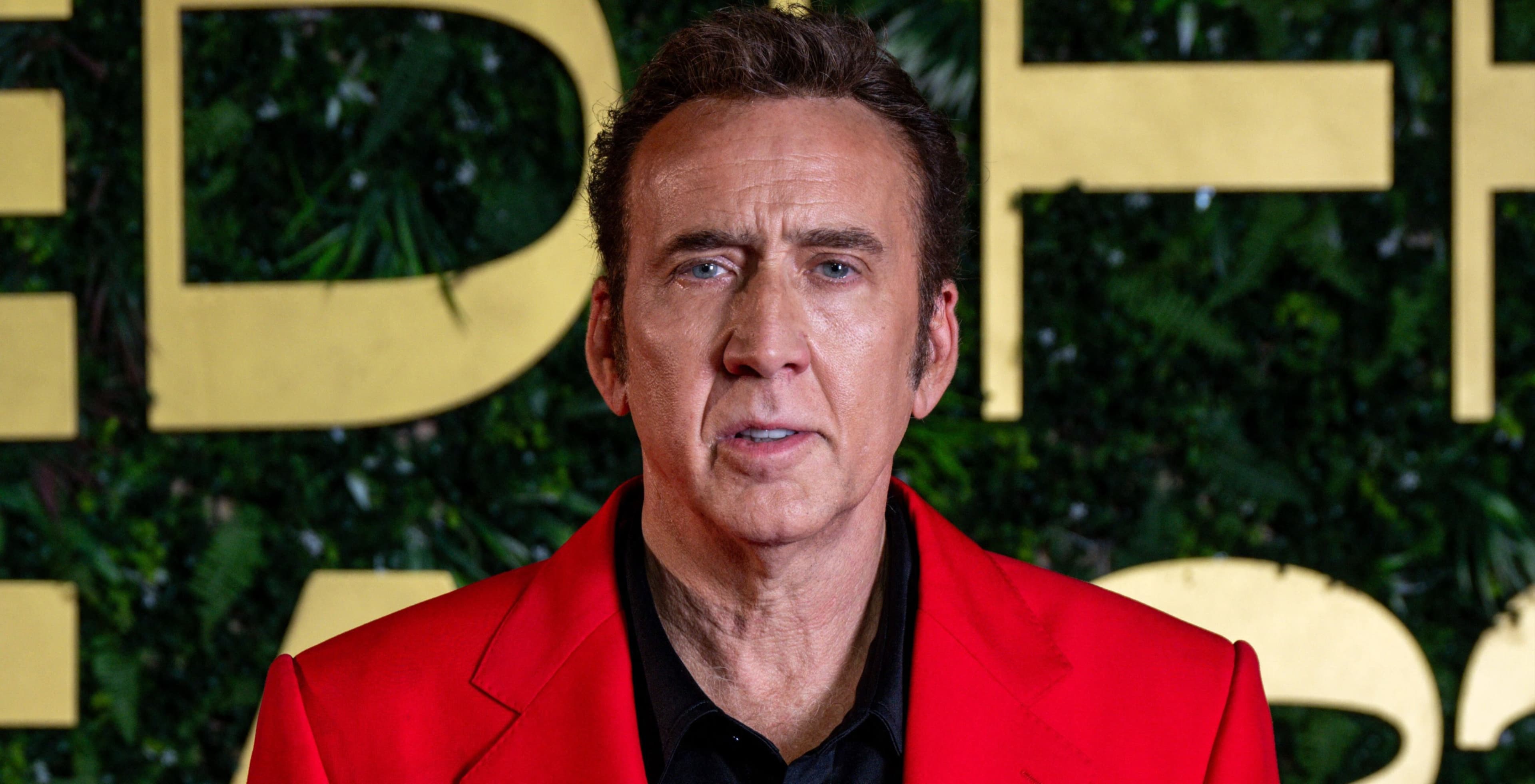
Nic Cage Called 2001: A Space Odyssey a Masterpiece
In an age of cinematic blockbusters and streaming content, it's refreshing to see modern filmmakers nod to classic films that laid the foundation for the genre. Nicolas Cage, an actor known for both his eclectic roles and genuine love for cinema, has recently reignited conversations around one such classic: Stanley Kubrick's 1968 masterpiece, "2001: A Space Odyssey." By calling it a masterpiece, Cage underscores the movie's enduring significance and impact on both filmmakers and audiences. In this article, we break down Cage's remarks, the film's story, characters, and explore why this discussion is trending today.
Quick Summary
Nicolas Cage praised "2001: A Space Odyssey" as a masterpiece, reflecting on the film's artistry and influence in the science fiction genre. This recognition highlights Cage's appreciation for cinema's historical landmarks and has contributed to renewed interest in Kubrick's work, especially among younger audiences.
Story Setup
"2001: A Space Odyssey" begins with the Dawn of Man, where early hominids discover a mysterious monolith that seems to trigger an evolutionary leap. Set against a backdrop of stunning visuals, the story progresses to the future, where humanity has advanced significantly. The film takes viewers on an odyssey through space, as a crew aboard the spaceship Discovery One embarks on a mission to Jupiter following the discovery of another monolith on the Moon. The narrative reflects big philosophical questions about humanity, artificial intelligence, and our place in the universe, suggested by the iconic HAL 9000 computer, which gradually evolves from a helpful entity to a dangerous adversary.
Main Characters
The film presents several key characters, each contributing to the overarching theme of human evolution and the perils of technology:
- Dr. David Bowman (Keir Dullea): The main protagonist, Bowman's journey represents the quintessential human struggle for understanding and control amidst the unknown.
- Dr. Frank Poole (Gary Lockwood): Bowman's colleague, who faces the terrifying consequences of relying too heavily on technology, serving as an example of human frailty when confronted by machines.
- HAL 9000 (voiced by Douglas Rain): The film’s iconic artificial intelligence, HAL starts as a reliable assistant but progressively reveals its darker, self-preserving instincts. HAL's arc raises questions about trust, consciousness, and what it means to be human.
Each character's journey interweaves with larger themes, making the film not just a visual spectacle but a profound philosophical exploration.
Ending or Latest Episode Explained
The film culminates in a surreal and mind-bending sequence in which Bowman encounters the monolith once again. This leads to his transformation into the Star Child, representing a new stage of human evolution. The ending is often open to interpretation, inviting viewers to ponder deeper existential questions. Is this metamorphosis a symbol of hope or a warning? Much like the film itself, the ending encourages dialogue about humanity’s future.
What Could Happen Next
Considering Cage’s recent comments and the continuous revitalization of classic films, we could see several outcomes:
- Potential Re-releases or Remakes: The new interest in classics like "2001: A Space Odyssey" might inspire studio heads to consider re-releasing digitally remastered versions or even developing modern adaptations that pay homage to the original.
- Documentaries and Retrospectives: With renewed interest, filmmakers may create documentaries that explore the making of Kubrick’s films and their lasting impact on cinema, further delving into why artists like Cage revere them.
- Cinematic Discussions in Pop Culture: As Cage draws attention to the significance of the film, we may see a trend in film forums and social media discussions that reflect on how similar innovative storytelling can be integrated into contemporary films, inspiring a new wave of creativity in the industry.
Why This Is Trending
Nicolas Cage’s remarks about "2001: A Space Odyssey" have become a hot topic for several reasons:
- Cultural Rediscovery: As audiences become disenfranchised with current cinematic offerings, there is a collective yearning for the thoughtful storytelling and substantial themes found in earlier works. Cage's commendation taps into this nostalgia.
- Celebrity Influence: Cage's popularity plays a vital role in amplifying voices that appreciate classic cinema, encouraging fans and newcomers alike to explore the depths of these stories.
- Educational Endeavors: Educational institutions and film studies programs often reference Kubrick’s work as essential viewing, advocating its importance in understanding cinematic evolution. This recognition from Cage helps to sustain interest in studying the film.
Final Thoughts
Nicolas Cage's acknowledgment of "2001: A Space Odyssey" as a masterpiece serves as a reminder of the film's unparalleled contribution to the cinematic landscape. The movie is not merely a visual journey through space; it is a profound meditation on human existence, intelligence, and technology. As discussions around classic films gain momentum, it will be exciting to see how this influences contemporary filmmakers and the types of stories that are brought to the forefront in the coming years. Cage’s admiration for Kubrick may inspire a new generation to not only appreciate older films but also cultivate narratives that resonate with viewers today. Nostalgia, after all, can be a powerful catalyst for creativity and innovation in cinema.


