Introduction
William Golding's "Lord of the Flies" has remained a pivotal piece of literature since its publication in 1954, raising essential questions about human nature, society, and morality. For 72 years, debates around the novel's themes and characters have persisted. Now, Netflix's new adaptation finally seeks to provide clarity, tackling one of the novel's most pressing questions. This series news breakdown explores everything you need to know about the adaptation, from its story setup to character insights and future implications.
Quick Summary
Netflix's adaptation aims to resolve longstanding unanswered questions in Golding's novel, particularly around the character of Jack and his role in the narrative. The series presents a contemporary interpretation, while striving to remain faithful to the novel's core themes of civilization versus savagery, exploring the intricate dynamics that unfold among the boys stranded on the island.
Story Setup
The original narrative of "Lord of the Flies" centers around a group of boys who land on a deserted island following a plane crash. This isolated setting becomes a microcosm for human civilization, where the contrasting ideologies of order and chaos emerge as the boys attempt to govern themselves. Golding’s allegory highlights the fragility of societal structures and the darker aspects of human behavior. In the Netflix adaptation, the story retains this foundation while potentially expanding on contextual elements, character backstories, and motivations that were briefly touched upon or open to interpretation in the original text.
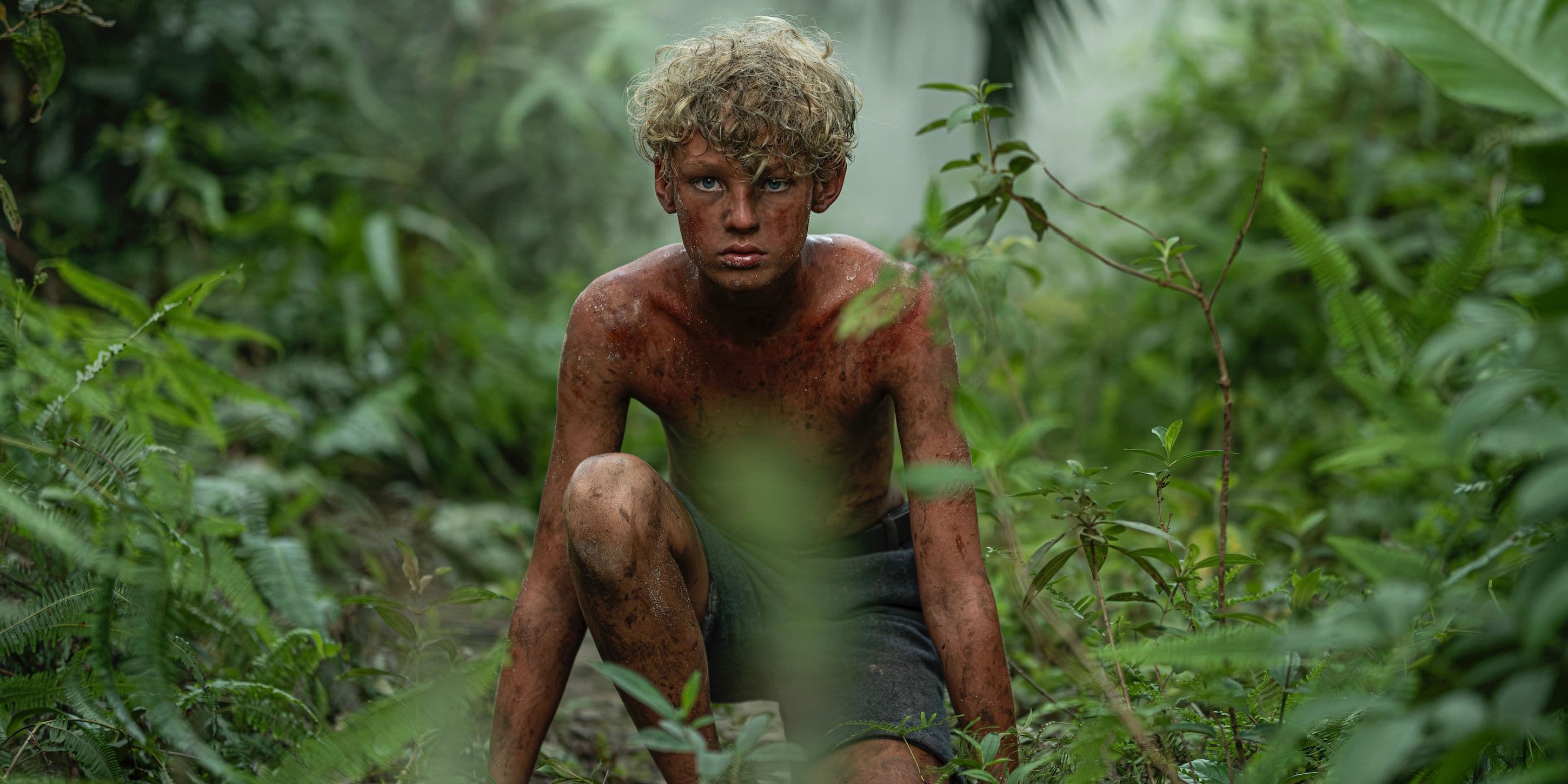
In this new interpretation, viewers can expect to see enhanced character development, particularly the evolution of Jack—from a seemingly charismatic leader to a symbol of tyranny and chaos. The show may delve deeper into the psychological underpinnings driving his quest for power, differentiating it from the more simplistic view that has been traditionally held.
Main Characters
The series retains the essential characters introduced in Golding's work but offers more nuanced portrayals:
- Ralph: The initial leader, representing civilization and order. His struggle to maintain authority against the rising savagery will be central to the narrative.
- Jack: Perhaps the most compelling character, Jack’s transformation from a choirboy to a ruthless leader of savage hunters is explored in detail, answering critical questions about his motivations and moral decay.
- Piggy: The voice of reason, Piggy’s intellectualism and vulnerability make him a target within the group dynamics. His relationship with the others may reveal deeper themes about knowledge versus ignorance.
- Simon: A complex character often seen as a mystical figure. The series may further explore Simon’s intrinsic goodness and his understanding of the human condition, particularly through interactions with Jack and Ralph.
The adaptation also opens the door to original side characters that can help build tension and foreshadow the story's conflicts, enriching the narrative landscape.
Ending or Latest Episode Explained
As of now, the specific plot details or episode outlines remain undisclosed based on available public metadata. However, the series promises climactic moments that will shed light on Golding's thematic queries. The anticipated ending will likely explore whether order can prevail over chaos, as the boys grapple with their inherent savagery. It’s an opportune moment to address questions about the nature of evil and the struggle between individual morality and collective chaos.
A climactic conflict is expected, involving pivotal scenes similar to the novel’s climax, where Jack's tribe and Ralph's followers confront each other. But possible additions or alterations in the plot may introduce new elements, keeping both long-time fans and newcomers engaged.
What Could Happen Next
Given the narrative's foundation and character arcs, viewers might anticipate a season filled with moral dilemmas, internal conflicts, and the escalation of savagery among the boys. Future episodes could explore various outcomes of their power struggles and alliances, leaving room for character growth or downfall.
Adaptations like these often deviate from their source material to capture modern audiences, suggesting that Netflix may introduce contemporary social themes or dilemmas reflective of today’s society. Audiences may witness the boys grappling not just with survival but also with ethical choices that resonate with current socio-political climate.
Why This Is Trending
The adaptation of "Lord of the Flies" is trending for several reasons:
- Cultural Significance: The novel's enduring relevance continues to spur discussions on human nature and sociopolitical themes, making an adaptation significant today.
- Viewer Curiosity: Fans of the original novel and new audiences are intrigued about how this version will unfold—particularly how unresolved themes from the book will be interpreted.
- Character Exploration: By promising a deeper exploration of characters like Jack, Netflix's adaptation has caught the attention of viewers eager for richer narratives in character-driven stories.
- Contemporary Relevance: In an era where discussions about moral choices and societal structures are at the forefront, this adaptation invites viewers to reflect on its implications in modern life.
Final Thoughts
Netflix's adaptation of "Lord of the Flies" is garnering attention and debate for tackling questions that have lingered in literary discussions for decades. As audiences prepare for what promises to be an exciting and thought-provoking series, viewers can expect an exploration of characters that balances fidelity to Golding's original vision with contemporary sensibilities. This adaptation could redefine the classic tale for a new generation, offering insights into human behavior and societal structures that feel strikingly relevant. Stay tuned for updates, as we continue to follow the journey of these characters striving for power, order, and self-understanding on their deserted island.