Neon Genesis Evangelion: The End of Evangelion Ending Explained: What Really Happened?
With its release, "Neon Genesis Evangelion: The End of Evangelion" disrupts the perception of traditional anime endings, plunging audiences into a complex narrative that intertwines personal struggle with existential themes. This breakdown aims to unravel the film's conclusion, understanding its deeper implications and what it means for its characters and themes.
Quick Summary
In this film, SEELE launches a coordinated attack on NERV, intending to annihilate the Evas before Gendo can set his plans for the Human Instrumentality Project into motion. The protagonists face intense psychological and existential challenges, culminating in a heart-wrenching climax where Shinji grapples with the weight of humanity's future.
Story Setup or Current Context
As a direct continuation of the plot from the series, "The End of Evangelion" serves as a concluding chapter that pushes the boundaries of narrative convention. The film explores themes of isolation, self-identity, and the choices that define humanity. In a world teetering on the brink of cataclysm due to the Human Instrumentality Project, characters must confront their fears and desires, raising questions about existence and connection.
Main Characters or Key People
- Shinji Ikari: The reluctant protagonist who wrestles with his own sense of self-worth and purpose.
- Gendo Ikari: Shinji's estranged father, whose ambitions for humanity come at a profound personal cost.
- REI Ayanami: A mysterious girl closely tied to Gendo, representing themes of sacrifice and identity.
- Asuka Langley Soryu: Shinji's rival and complex love interest, struggling with her own emotional battles.
- SEELE: The shadowy organization that orchestrates the conflict, seeking to redefine humanity's existence.
Ending, Latest Episode, or Announcement Explained
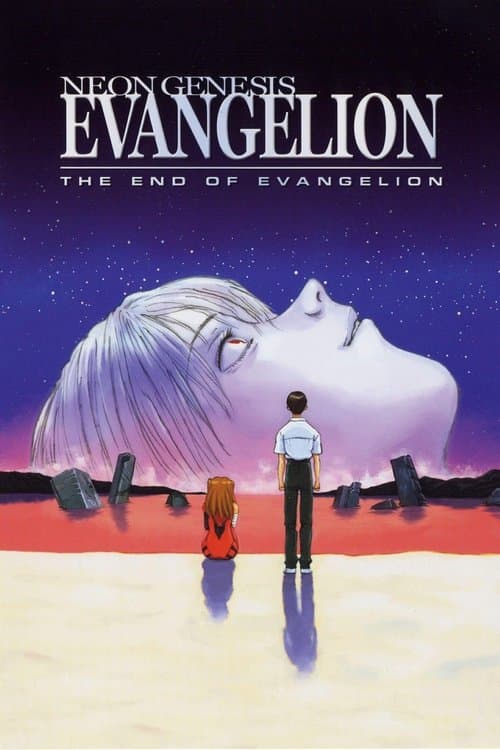
The film's climax presents a surreal, dream-like sequence that delves deep into Shinji's psyche. Faced with the choice to merge with all of humanity or maintain individual existence, Shinji's ultimate decision reveals the crux of the film's message: the importance of human connection and the pain that comes with individuality.
The chaotic visual imagery and symbolism serve as a powerful representation of Shinji’s internal struggle, illustrating the themes of conformity versus individuality. The ending leaves viewers pondering the implications of choice and the nature of reality, resonating with the film’s overall exploration of personal and collective identity.
What Could Happen Next
Although "The End of Evangelion" concludes the immediate storyline, the concepts introduced leave room for speculation about potential future narratives. Themes of human connectivity, the reconstruction of identity, and the implications of Shinji's choice could inspire new stories, be it through sequels, spin-offs, or a reimagining of the universe.
Why This Is Trending
The film continues to gain attention due to its enduring relevance in discussions about mental health, identity, and societal constructs. Fans revisit it for its profound emotional depth, while new viewers are drawn to its groundbreaking animation and storytelling. Recently, renewed interest in existential themes in popular culture contributes to its trending status.
Final Thoughts
"Neon Genesis Evangelion: The End of Evangelion" stands as a landmark achievement in anime, holding a mirror to the complexities of the human experience. Its evocative ending encourages introspection and conversation, ensuring its place in the annals of animated cinema for years to come.
Frequently Asked Questions
What is the significance of Shinji's choice at the end of the film?
Shinji’s choice symbolizes the struggle between the comfort of collective existence and the pain of individuality, emphasizing that personal connections significantly contribute to the human experience.
How does this film relate to the original series?
The film serves as a direct continuation, addressing unresolved plot lines and character arcs, providing a deeper exploration of themes established in the series.
Why has "The End of Evangelion" gained a cult following?
Its complex narrative, emotional depth, and philosophical questions resonate widely, appealing to both long-time fans and new audiences alike.
Where can I watch "The End of Evangelion"?
Currently, the availability of the film may vary by region and platform, so checking local listings or streaming services is recommended.