Neon Genesis Evangelion: Death and Rebirth Timeline Explained in Chronological Order
The impact of Neon Genesis Evangelion spans decades, enchanting and perplexing audiences with its philosophical depth and complex narratives. Among the films in this iconic series, Death and Rebirth occupies a unique space, blending a recap of the television series with elements intended to reshape its conclusion. This article offers a detailed breakdown of the timeline and significance behind these films, placing them in the continuum of Evangelion lore.
Quick Summary
The Death and Rebirth feature consists of two main segments: Death, a compilation of scenes from the original Neon Genesis Evangelion television series, and Rebirth, which was conceptualized as an alternative ending. However, due to production delays, Rebirth only delivers the first half of what was intended as a broader reworking of the series’ conclusion, ultimately leading into The End of Evangelion.
Story Setup or Current Context
Originally airing from 1995 to 1996, Neon Genesis Evangelion quickly garnered acclaim for its deep psychological themes, dealing with concepts of loneliness, conflict, and self-identity. Death and Rebirth was released as a means to bridge the TV series and the subsequent films, catering to both existing fans curious about the new direction and newcomers who may not have seen the series.
Death serves as a condensed version of the series, highlighting key events while providing a fresh perspective on character motivations and development. Following this, Rebirth was positioned to provide alternate narrative threads that would culminate in a comprehensive conclusion to the overarching plot. However, as the production faced setbacks, the scope of Rebirth was significantly reduced, turning into merely an introductory segment for The End of Evangelion.
Main Characters or Key People
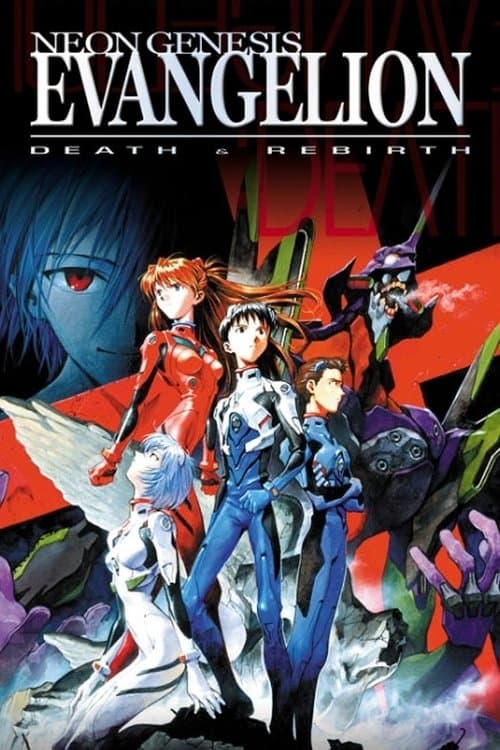
The film features several pivotal characters from the original series, each contributing to the overarching narrative:
- Shinji Ikari: The reluctant hero, grappling with his identity and relationships.
- Rei Ayanami: The enigmatic pilot with connections to Shinji's mother and deeper mysteries.
- Asuka Langley Soryu: A strong-willed pilot who struggles with her own demons and desires.
- Gendo Ikari: Shinji's father and a key architect in the series’ unfolding tragedies.
- Misato Katsuragi: The operations director of NERV, who strives to protect humanity while navigating her own emotional turbulence.
These characters set the stage for the complex interactions and philosophical discussions that characterize the Evangelion experience.
Ending, Latest Episode, or Announcement Explained
Though Rebirth aimed to redefine the series' conclusion, its production challenges means it serves primarily as a prologue to The End of Evangelion. The film does not resolve the myriad tensions introduced in the series but instead leaves viewers on the precipice of deeper exploration within the subsequent film.
The unresolved threads evoke a sense of anticipation and questioning, highlighting the uncertainty faced not only by the characters but also by the audience regarding themes of conflict, isolation, and human connection. Notably, the timeline of events in these films emphasizes a recursive nature of narrative, where endings become new beginnings.
What Could Happen Next
While Death and Rebirth was intended to fill in gaps and offer closure, it also opens avenues for further interpretation and speculation within the Evangelion universe. Fans speculate about the deeper meanings suggested by the films, such as the nature of reality and the burden of choice, themes that resonate beyond the original narrative and into the evolving landscape of psychological dramas.
Anticipation remains high for further Evangelion projects that could continue to explore these philosophical themes, especially with the series’ and films’ lasting impact on the anime industry and global storytelling trends.
Why This Is Trending
The attention surrounding Death and Rebirth can be attributed to its relevance in ongoing conversations about mental health, narrative complexity, and character-driven storytelling. Fans often revisit the series to gain fresh perspectives, leading to renewed discussions about its themes. Its unique structure, blending recap with an attempt at reimagining the narrative, continues to intrigue both seasoned fans and new audiences, making it a focal point in the anime community.
Final Thoughts
Neon Genesis Evangelion: Death and Rebirth serves as a unique lens through which to view the intricate layering of storytelling in the original series. By understanding its place within the chronological order of events, viewers are better positioned to appreciate the complexities and nuances that define the Evangelion experience. As discussions about its themes continue to evolve, the allure of Neon Genesis Evangelion remains strong, maintaining its status as a landmark in animated storytelling.
Frequently Asked Questions
Q: What is the significance of Death and Rebirth in the Evangelion series?
A: It functions as a bridge between the original TV series and its eventual conclusion in The End of Evangelion, providing context and reimagining elements of the story.
Q: Are the films necessary to understand the original series?
A: While the films recap key moments, they also add additional layers of complexity, making them a valuable companion to the series rather than a necessity.
Q: What themes are central to Death and Rebirth?
A: The films explore themes of identity, existential crisis, and the nature of human connection, resonating deeply with viewers.
Q: Will there be more Evangelion projects in the future?
A: There is ongoing speculation, and the enduring popularity of the franchise may inspire new narratives or reinterpretations.