Neon Genesis Evangelion: Death and Rebirth Explained: Complete Story Breakdown
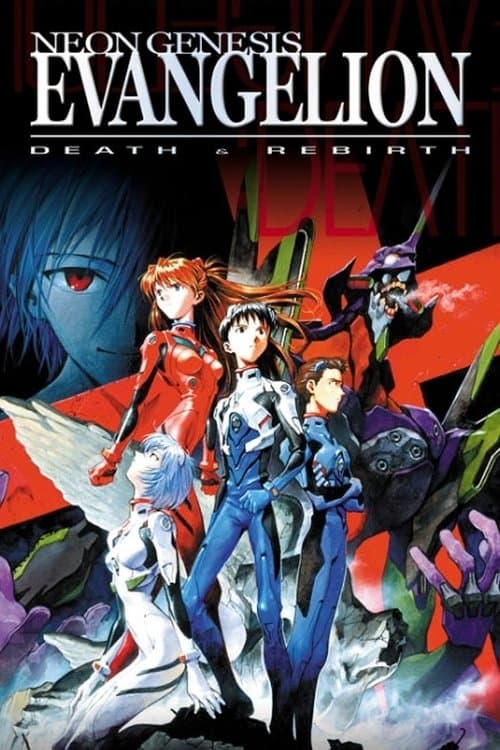
Neon Genesis Evangelion: Death and Rebirth is a multifaceted cinematic experience that extends beyond the traditional bounds of anime storytelling. This film not only serves as a recap of the acclaimed series but also aims to provide a fresh perspective on its conclusion.
Quick Summary
The film is divided into two segments: Death, a compilation that revisits pivotal moments from the TV series, and Rebirth, which was intended to present a reworked conclusion. However, due to production issues, Rebirth was only partially realized, setting the stage for The End of Evangelion.
Story Setup or Current Context
Originally conceived as a collection of clips, Death recontextualizes events from the TV series, providing viewers with a chance to revisit key characters and themes. It highlights the emotional and psychological conflicts that have defined Neon Genesis Evangelion. Following this, Rebirth attempts to offer a new narrative direction, though it culminates in an incomplete exploration of what would soon be addressed in The End of Evangelion.
Main Characters or Key People
The film features several main characters from the series:
- Shinji Ikari: The reluctant hero grappling with deep-seated emotional issues and the expectations placed upon him.
- Rei Ayanami: The enigmatic figure representing purity and complexity, shrouded in mystery as her true nature is slowly revealed.
- Asuka Langley Soryu: The fiery and talented pilot who embodies the struggles of adolescence and identity.
- Misato Katsuragi: The operations director at NERV who juggles the burdens of leadership amidst personal conflicts.
Ending, Latest Episode, or Announcement Explained
As part of its ambitious storytelling, Rebirth merges into the larger narrative arc that concludes in The End of Evangelion. The crossover from Rebirth to this ultimate conclusion serves as a key moment of transformation, as viewers are pulled into a world where existential themes confront the nature of humanity and the psyche.
What Could Happen Next
While the film lays a foundation for deeper revelations, its incomplete nature provokes questions about character arcs and unresolved storylines. Viewers might speculate on potential examinations of characters' inner conflicts and emotional resolutions, especially concerning Shinji’s journey and relationships with Rei and Asuka.
Why This Is Trending
Neon Genesis Evangelion continues to resonate with audiences for its complex themes and character explorations that defy typical genre conventions. The film's blend of narrative recap and innovation keeps it relevant in discussions about anime as storytelling evolves. The anticipation surrounding the completion of the series' narrative has reignited interest, with audiences eager for closure and understanding of the rich tapestry woven throughout the franchise.
Final Thoughts
Neon Genesis Evangelion: Death and Rebirth showcases the intricacies of narrative in animation, merging clips and new content to provide a unique viewer experience. While its incomplete narrative in Rebirth leaves questions unanswered, it undoubtedly enriches the overall Evangelion lore.
Frequently Asked Questions
1. Is Death and Rebirth essential for understanding the entire series?
Yes, it provides crucial context and emotional depth that can enhance the viewing experience of The End of Evangelion.
2. Does Rebirth offer a different ending compared to the series?
Rebirth was intended to present a new conclusion but ends up being an incomplete pivot into The End of Evangelion.
3. How does Death differ from the TV series?
Death compiles key scenes with a fresh narrative lens, emphasizing character motivations and existential themes more profoundly than the series does alone.
4. What themes are explored in the film?
Themes such as identity, loneliness, and the struggle against inner demons are prominent throughout both segments of the film.