Neon Genesis Evangelion: Death and Rebirth Ending Explained: What Really Happened?
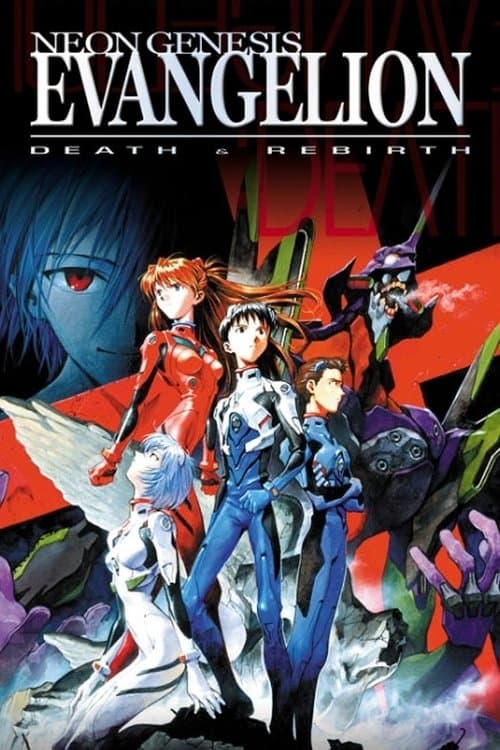
Exploring the depths of 'Neon Genesis Evangelion: Death and Rebirth' can be a perplexing journey through interconnected narratives, emotional turmoil, and philosophical dilemmas. Originally conceived not as a standalone film but as a collection of clips from the original TV series, Death was created to pave the way for the reworked narrative Rebirth was intended to present. However, what audiences received was only the first half of the planned conclusion, leading to myriad interpretations and questions about the end of this anime legend.
Quick Summary
Neon Genesis Evangelion: Death and Rebirth presents a two-part structure that combines recaps with a new direction, ultimately culminating in the emotionally charged narratives of its characters amidst a backdrop of existential themes. The initial segment, Death, revisits pivotal moments, while Rebirth bears the intent of concluding the series in a fresh light. However, due to production challenges, it only laid the groundwork for what would become The End of Evangelion.
Story Setup or Current Context
The backdrop of Death and Rebirth serves as an essential continuation from the original Neon Genesis Evangelion series, which highlighted humanity's struggle against existential threats through the lens of young pilots controlling powerful mechs known as Evangelions. This film juxtaposes the series’ character struggles with thematic elements of individuality, connection, and emotional distress, culminating in a complex narrative structure that demands deeper examination.
Main Characters or Key People
- Shinji Ikari: The primary protagonist whose journey of self-discovery and conflict with paternal expectations forms the emotional core of the story.
- Rei Ayanami: Another key figure whose mysterious origins and connections with Shinji provoke deep philosophical questions about identity and purpose.
- Asuka Langley Soryu: The fiercely competitive pilot whose own emotional battles offer insights into themes of validation and inadequacy.
- Gendo Ikari: Shinji's father and the embodiment of the human struggles with authority and connection, representing complex relationships and motivations.
Ending, Latest Episode, or Announcement Explained
The film’s conclusion reveals a landscape teeming with psychological complexity. In Rebirth, we encounter a disjointed narrative that reflects the chaos within the characters themselves, leaning into metaphysical symbolism rather than a straightforward story arc. This leads to multiple interpretations of the events unfolding on-screen, inviting viewers to reconcile Shinji’s emotional turmoil with the overwhelming weight of his choices. The cliffhanger that exists at this juncture sets the stage for what is to come in The End of Evangelion, which is referenced yet not fully encapsulated in this installment.
What Could Happen Next
As audiences anticipate the ultimate unraveling of the narrative in The End of Evangelion, various theories proliferate regarding the fate of the characters. How Shinji will confront the consequences of his decisions, and the ramifications of his relationships with Rei and Asuka linger as central questions. Fans speculate on alternative realities and psychological confrontations that will lead to a resolution or even further philosophical quandaries.
Why This Is Trending
The enduring popularity of Neon Genesis Evangelion stems from its rich thematic tapestry that resonates with viewers across generations. With discussions around mental health, identity, and the human condition being more prevalent today, a fresh exploration of Death and Rebirth becomes increasingly relevant. Additionally, the evolving interpretations of these films highlight the timelessness of their messages, sparking renewed interest as both veteran fans and newcomers seek to make sense of its layers.
Final Thoughts
The narrative architecture of Neon Genesis Evangelion: Death and Rebirth serves as an intricate prelude to deeper existential explorations. While it offers only glimpses of closure, it emphasizes the ongoing human struggle with understanding oneself amidst chaos. What really happened may remain partially obscured, but the discussion it generates continues to captivate audiences, ensuring that its legacy remains intact and ever-evolving.
Frequently Asked Questions
-
What is the difference between Death and Rebirth?
Death serves as a summary of the series while Rebirth attempts to introduce new content that reworks the narrative conclusion. -
Is Death and Rebirth essential to understanding The End of Evangelion?
Yes, they provide critical context and character development that enhances the viewer's understanding of the events in The End of Evangelion. -
Are there any new characters introduced in Rebirth?
The film primarily revolves around established characters, but their development is reinterpreted and expanded. -
What themes are prominent in these films?
Identity, connection, and existential dread are central themes that permeate the narrative. -
Will there be more content related to Neon Genesis Evangelion?
Future projects or reimaginings remain speculative, but the franchise’s impact continues to stimulate interest in new explorations across various media.