Orphan Black: A Sci-Fi Masterpiece Like Severance and Bourne Identity
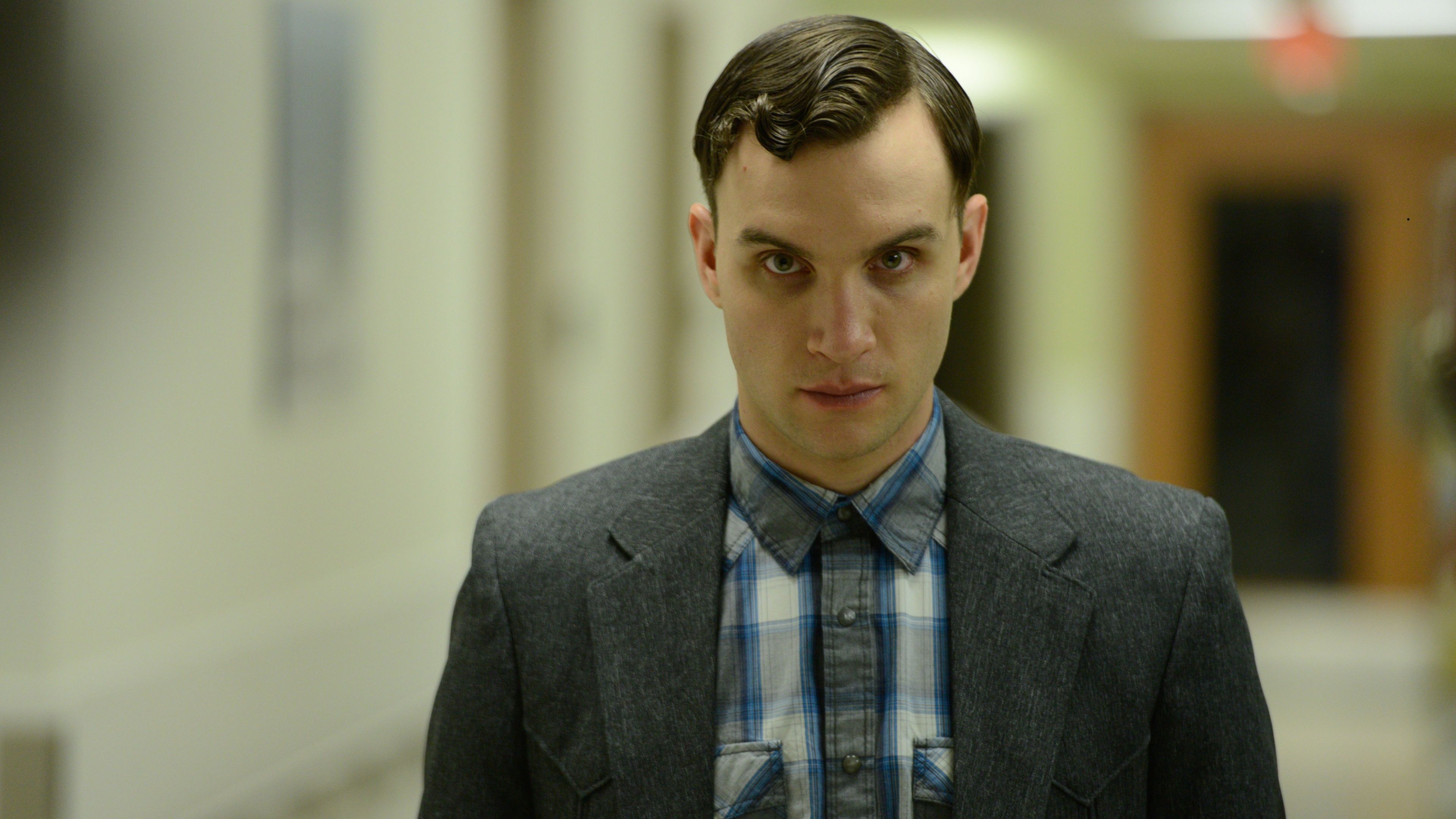
This news report explores Orphan Black's unique blend of identity thrillers and sci-fi elements, likening it to Severance and The Bourne Identity.
Mysterio's manipulation profoundly reshapes Spider-Man's journey in the MCU, overshadowing Green Goblin's iconic status.
Explore the franchise
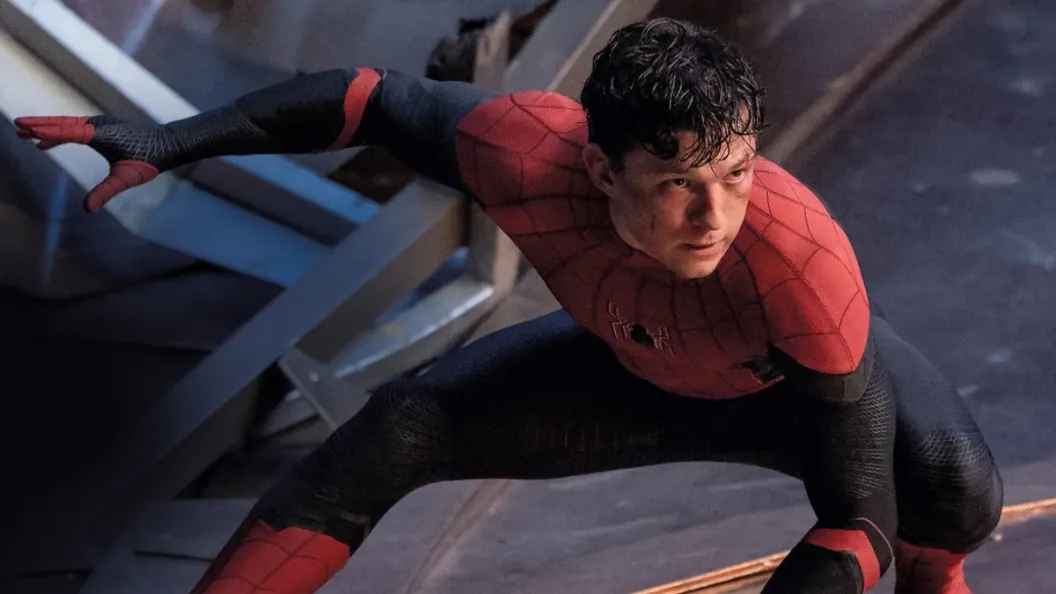
Here is what is confirmed: In a recent report by ComicBook.com, the narrative arc of Spider-Man in the Marvel Cinematic Universe (MCU) has taken a surprising turn. It asserts that Quentin Beck, also known as Mysterio, has emerged as Tom Holland’s Spider-Man's primary arch-nemesis, eclipsing the famed Green Goblin’s status. This claim is rooted in the consequences sparked by Mysterio’s actions in "Spider-Man: Far From Home," which initiated a series of life-altering events for Peter Parker.
The analysis highlights how Mysterio, stepping into the role of mentor, manipulated Spider-Man by gaining his trust, only to betray him fatally. Unlike the traditional nemesis relationship that emphasizes personal connection and direct combat, Mysterio’s deceit fundamentally shifted Peter’s journey through a cascade of trauma that has left enduring marks on his character.
In the MCU, Spider-Man’s narrative has shifted significantly following the introduction of Mysterio. Initially perceived as a hero fighting alongside Spider-Man, Mysterio's true identity and intentions led to devastating repercussions that spiraled Peter Parker's life into chaos. ComicBook.com’s author, Fermin Martinez, elaborates on how Mysterio’s masterful illusions not only misled Spider-Man but effectively isolated him from his friends and family, marking a dark chapter at the onset of "Spider-Man: Brand New Day."
This transition is stark compared to the longstanding rivalry between Spider-Man and Green Goblin, where the latter was often depicted as not just a formidable foe, but as someone deeply intertwined with Peter’s personal life. Mysterio, however, being a manipulative actor, set the stage for tragic events that included the death of key figures in Peter's life, further cementing his role as the true adversary in this version of the Spider-Man saga.
One cannot discuss Spider-Man's challenges without acknowledging the Green Goblin. Traditionally regarded as Spider-Man's quintessential foil, Norman Osborn's malevolence has often led to direct confrontations filled with emotional stakes. However, the current situation re-evaluates the dynamics of their rivalry within the context of the MCU. While the Green Goblin, portrayed by Willem Dafoe, has undoubtedly caused irreversible loss—such as the death of Aunt May in "Spider-Man: No Way Home"—his arrival in the MCU can be traced back to the chaos initiated by Mysterio's machinations.
This lineage of betrayal underscores a critical perspective discussed in ComicBook.com's insights: Mysterio didn’t just create a pathway to other villains; he delivered a crushing blow that has reverberated throughout Peter’s life. While he remains entrenched in Spider-Man's history, the direct line of tragedy orchestrated by Mysterio narrates a more profound impact on our hero's evolution.
Mysterio’s illusionary prowess is symbolic of the deeper psychological conflict within Spider-Man’s journey in the MCU. The report highlights how this manipulation results in a severe erosion of Peter’s trust in others. The consequences of Mysterio’s deception were not just physical altercations; they culminated in Peter Parker becoming a recluse—a figure grappling with significant mental health struggles. As highlighted in "Spider-Man: Brand New Day," these events considerably alter Peter’s trajectory, instigating a battle against his deteriorating mental state and grappling with the consequences of a life plagued by loneliness.
The break in his relationships, enhanced by the revelation of his identity to the world, led to a recalibrated perception of heroism—one that carries a heavy emotional toll that might not have existed had the Green Goblin remained the principal antagonist.
In summary, this new evaluation of Spider-Man’s foes speaks volumes about how character relationships and villain motivations mold the narrative trajectory. Mysterio’s emergence as Spider-Man’s true arch-nemesis presents fresh dynamics that enliven storytelling within the MCU, challenging traditional views held by audiences. As Spider-Man attempts to reconcile these traumatic events, fans are invited to reflect on how villainy extends beyond physical confrontations—delving profoundly into psychological conflicts and the intricate web woven by manipulation and betrayal. As the MCU continues to evolve, it will be compelling to see how these narrative choices shape the future of Spider-Man.
For further insights, explore 11 Comics to Explore Following 'Spider-Man: Brand New Day' and Celebrating 65 Years of Marvel's Fantastic Four.
Entertainment news
EpisodeBreakdown may use automated tools to assist research, drafting, and formatting. Published pages are governed by our editorial and corrections policies, and source links are shown when they are available in the article record.
Discovery source: ComicBook.com. The source identifies where the topic was discovered; EpisodeBreakdown is responsible for the commentary published on this page.
Reader response
Reactions and poll results are based on real reader responses. No account is required.