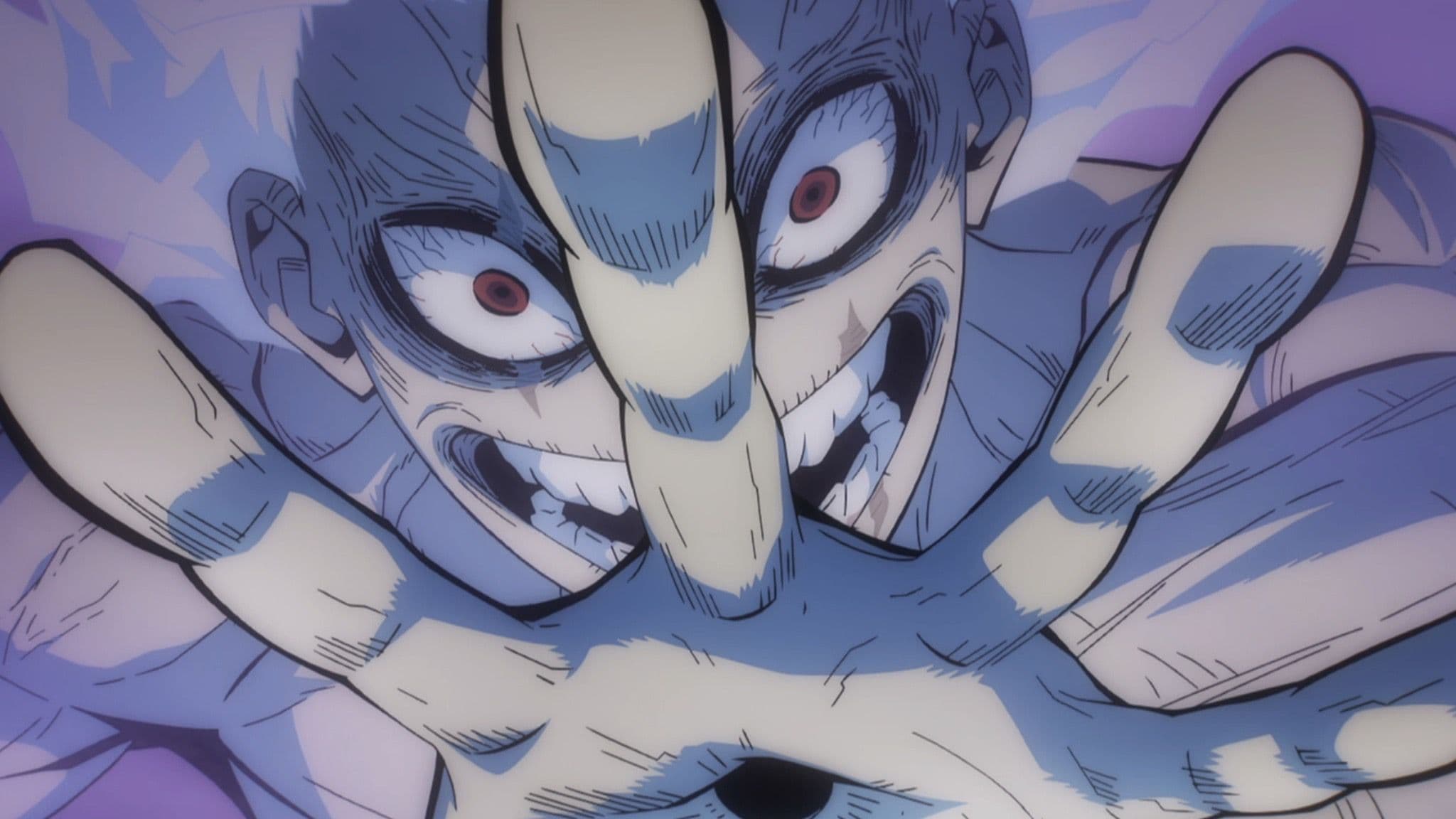
My Hero Academia Gave Shigaraki the Wrong Kind of Redemption
The world of anime often presents complex characters whose journeys can spark intense debate among fans. One such character is Shigaraki from the widely popular series My Hero Academia. Fans find themselves grappling with the nuances of his character arc, especially regarding the notion of redemption. In this article, we’ll dissect the themes surrounding Shigaraki's redemption, the balance between sympathy and responsibility, and why this topic has taken the anime community by storm.
Quick Summary
Shigaraki’s character evolution has become a focal point of discussion as My Hero Academia progresses. The narrative weaves a complicated tapestry of villainy, trauma, and the possibility of change. However, the show struggles to adequately balance the viewer's sympathy for Shigaraki with the gravity of his actions, leading to split opinions among the fan base.
Story Setup
My Hero Academia paints a vivid picture of a world where heroes and villains operate in a constantly shifting moral landscape. Shigaraki is portrayed as the primary antagonist, representing everything that heroes stand against. He is the leader of the League of Villains and a figure driven by deep-seated trauma and resentment toward society, stemming from a childhood marred by abuse and neglect.
The progression of Shigaraki’s character sheds light not only on his villainy but also on the root causes that shaped him. While this exploration adds depth, it raises crucial questions about moral responsibility. As audiences delve deeper into Shigaraki's psyche, they are left wondering whether it’s possible for a character like him to be redeemed without undermining the severity of his actions.
Main Characters
Aside from Shigaraki, several key figures are pivotal in fleshing out the series' dynamics.
- Tomura Shigaraki: The central figure striving for destruction; he embodies chaos and represents a new wave of villainy.
- Izuku Midoriya (Deku): The bright-eyed protagonist, constantly countering the urges of darkness with hope and heroism. Deku often serves as a foil to Shigaraki, emphasizing the dichotomy of hero versus villain.
- All Might: The former symbol of peace and heroism, his legacy looms large over the narrative. His influence on Dewku also indirectly shapes Shigaraki’s fate, posing questions about the responsibilities that come with power.
- Himiko Toga and Dabi: Members of the League of Villains who provide their perspectives on morality, friendship, and emotional complexity, further complicating Shigaraki’s relational landscape.
Ending or Latest Episode Explained
Based on available public metadata, discussions surrounding Shigaraki's character often stem from recent developments in the series. Fans have observed a shift in narrative tone where moments of vulnerability intersect with his chilling actions. The latest arcs have spotlighted Shigaraki's attempts at asserting his vision for a world devoid of heroes, showcasing a darker yet relatable outlook on heroism and villainy.
As viewers continue to witness moments that verge on sympathetic, the discourse shifts: Does his tragic past excuse the devastation he brings? Or does it merely complicate the moral fabric of the narrative?
What Could Happen Next
With the plot thickening around Shigaraki, speculation is limitless. The ongoing exploration of redemption could lead to several potential arcs:
- Confrontation with Deku: A head-to-head battle that might provide more insight into their intertwined fates and philosophies. Could this clash herald Shigaraki's ultimate fate—perhaps a redemption arc or an irreversible descent into madness?
- Flaws of the Hero Society: The series may deepen its critique of hero culture by reflecting on Shigaraki's past, questioning whether society's refusal to acknowledge its failings led to the rise of such threats.
- Alliances with Anti-Heroes: There’s potential for Shigaraki to forge temporary alliances with more morally ambiguous characters, complicating the heroes’ missions and challenging notions of right and wrong.
Why This Is Trending
Shigaraki’s redemption arc has sparked ignited debates across various platforms. The discourse hinges largely on the morality associated with his character evolution and his subsequent actions. The anime community is divided, with some fans staunchly believing that portraying Shigaraki sympathetically undermines his villain status. Others contend that his vulnerability adds a layer of complexity that enhances the viewing experience.
The discussions delve into themes of trauma and redemption, striking a chord with audiences who appreciate character depth while acknowledging the repercussions of past choices. The emotional intensity of these debates fuels online discussions and social media trends, showcasing the series' cultural impact.
Final Thoughts
As My Hero Academia navigates the murky waters of redemption through Shigaraki, it is evident that the series has sparked meaningful conversations about morality, trauma, and the human psyche. Whether fans agree or disagree with the approach taken, one thing is clear: Shigaraki is more than just a villain; he is a reflection of the darker aspects of humanity. The ongoing storyline continues to challenge audiences, prompting them to ponder what redemption truly means in a world where heroes and villains often wear the same face. As the series unfolds, fans will undoubtedly be watching closely, eager to see if Shigaraki will find a path toward redemption or spiral further into chaos.