'Bane Is Not a Villain' – Batman: Knightfall Team Insights
Producers and voice actors discuss the complexities of Bane's character and the adaptation of Batman: Knightfall.
Mel Gibson addresses the notable shift in language and narrative structure for 'The Resurrection of the Christ' films.
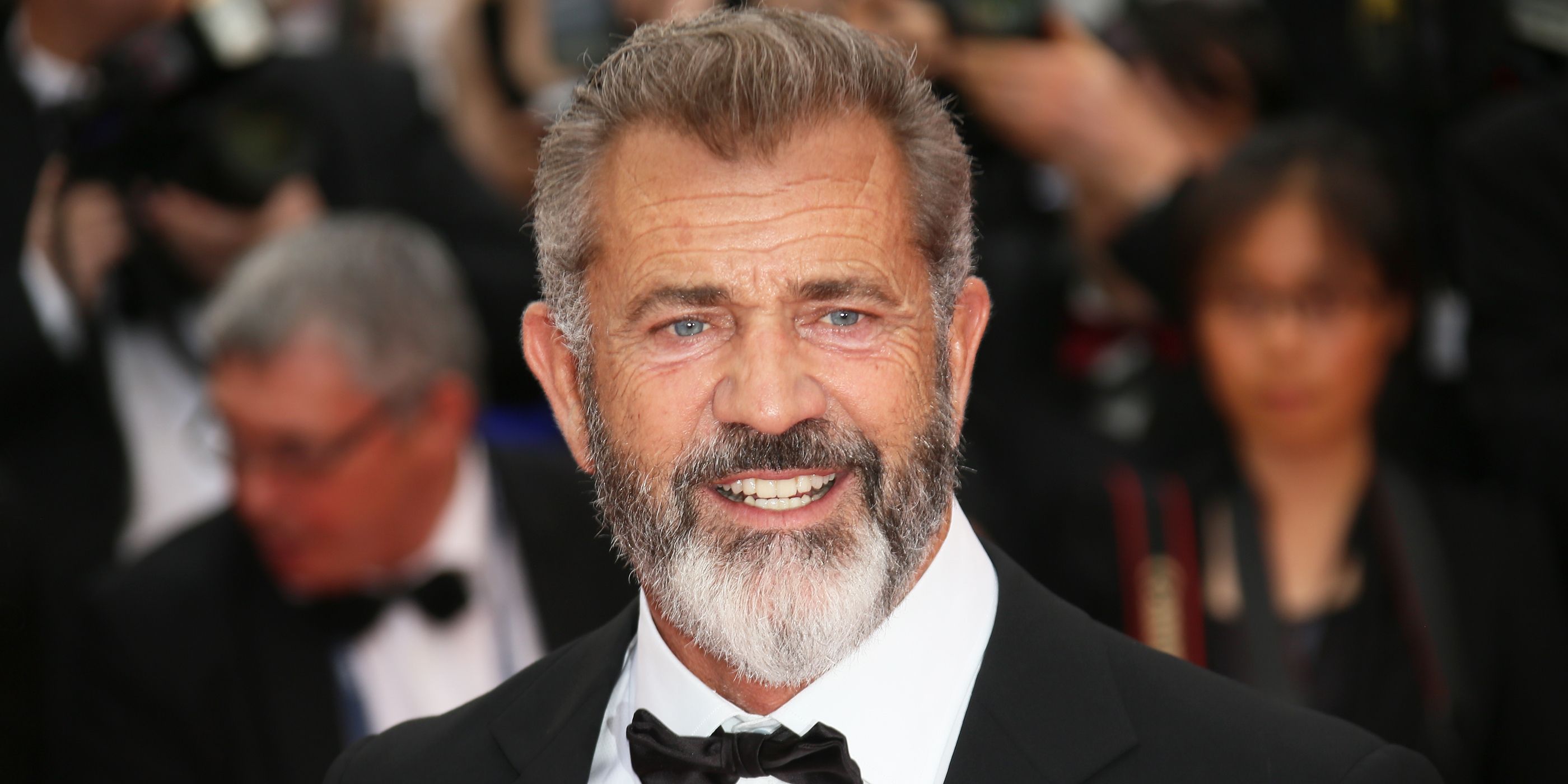
In simple terms, Mel Gibson has officially confirmed that both Parts One and Two of The Resurrection of the Christ are now in post-production. This announcement comes amidst growing anticipation for the sequels to his 2004 film, The Passion of the Christ. Speaking during a panel at Fan Expo Boston, Gibson elaborated on the film's distinctive approach, particularly highlighting one significant change: both sequels will be presented in English rather than the original Aramaic and Latin.
What happened is that Gibson clarified the reason for this pivotal change. He noted that the complexity of the themes and theological discussions inherent in the story justified using English. He stated, "I think you can afford to do that sometimes... it’s just the theological download you have to go through is so complex that... you want to be able to digest it straight away." This shift undoubtedly aims at increasing accessibility for audiences and ensuring that viewers can engage deeply with the film's narrative.
Gibson explained that the structure of The Resurrection of the Christ sets it apart from many traditional film narratives. He stressed that simply telling the resurrection story in a linear fashion wouldn’t adequately convey the depth and significance he and co-writer Randall Wallace aim to express. Gibson emphasized that the story has been under development for over two decades, with approximately ten years dedicated to the writing process alongside Wallace and his brother.
He elaborated on the breadth of the narrative: "There are 17 separate secular historians that attest the same kind of thing. So it’s not a fairy tale, and... it’s a very difficult subject because anybody gets murdered in public and then under his own strength and power comes back to life… it’s another jigsaw puzzle." This suggests that the sequels will weave together various historical perspectives to present a holistic view of the resurrection, making the significance clearer for audiences.
Both films were shot simultaneously in Rome, contributing to an expansive production effort. Gibson distributed significant resources to create practical sets that mirrored various historical locations, including Jerusalem, Damascus, and even Egypt. He praised the masterful work of set designer Francesco Frigeri, calling the construction of the sets "magnificent" and unique for the industry.
The completion of principal photography marks a milestone in a project that has been a long time in the making. Gibson confirmed that the films were shot with a vision towards splitting the narrative naturally, a choice that was integrated into the screenplay from the beginning rather than a decision made post-filming or editing. This deliberate structure suggests a thoughtful exploration of the complex themes he wishes to tackle.
The Passion of the Christ arrived in theaters in 2004 amidst controversy and quickly became the highest-grossing R-rated film of its time. Given the first film's success and the longstanding interest in its sequel, audience anticipation for The Resurrection of the Christ is high. The transition to English, alongside the restructured narrative, indicates that Gibson is actively seeking to broaden the film's appeal, making it accessible to a wider audience without sacrificing content depth.
Gibson's efforts reflect a significant shift in both storytelling and language use for cinematic portrayals of scripture, positioning these films as not just sequels but as standalone pieces that offer new interpretations of familiar narratives.
The decision to produce The Resurrection of the Christ in English could be a game-changer for how biblical narratives are presented in modern cinema. As audiences increasingly seek engaging and relatable stories, Gibson's choices reflect a commitment to making complex theological topics digestible. Furthermore, the extensive world-building and innovative narrative style could set a new benchmark in religious filmmaking. As fans wait for the sequels’ release, these updates hint at an ambitious project that seeks to redefine audiences’ understanding of a pivotal event in Christian theology.
For those looking for more insights into transformative storytelling in media, check out our pieces on Olivia Wilde's Passion for 'The Invite' Theatrical Release and Ranking the 10 Most Perfect Sci-Fi Shows of the Last 30 Years.
Entertainment news
EpisodeBreakdown may use automated tools to assist research, drafting, and formatting. Published pages are governed by our editorial and corrections policies, and source links are shown when they are available in the article record.
Discovery source: Collider. The source identifies where the topic was discovered; EpisodeBreakdown is responsible for the commentary published on this page.
Reader response
Reactions and poll results are based on real reader responses. No account is required.