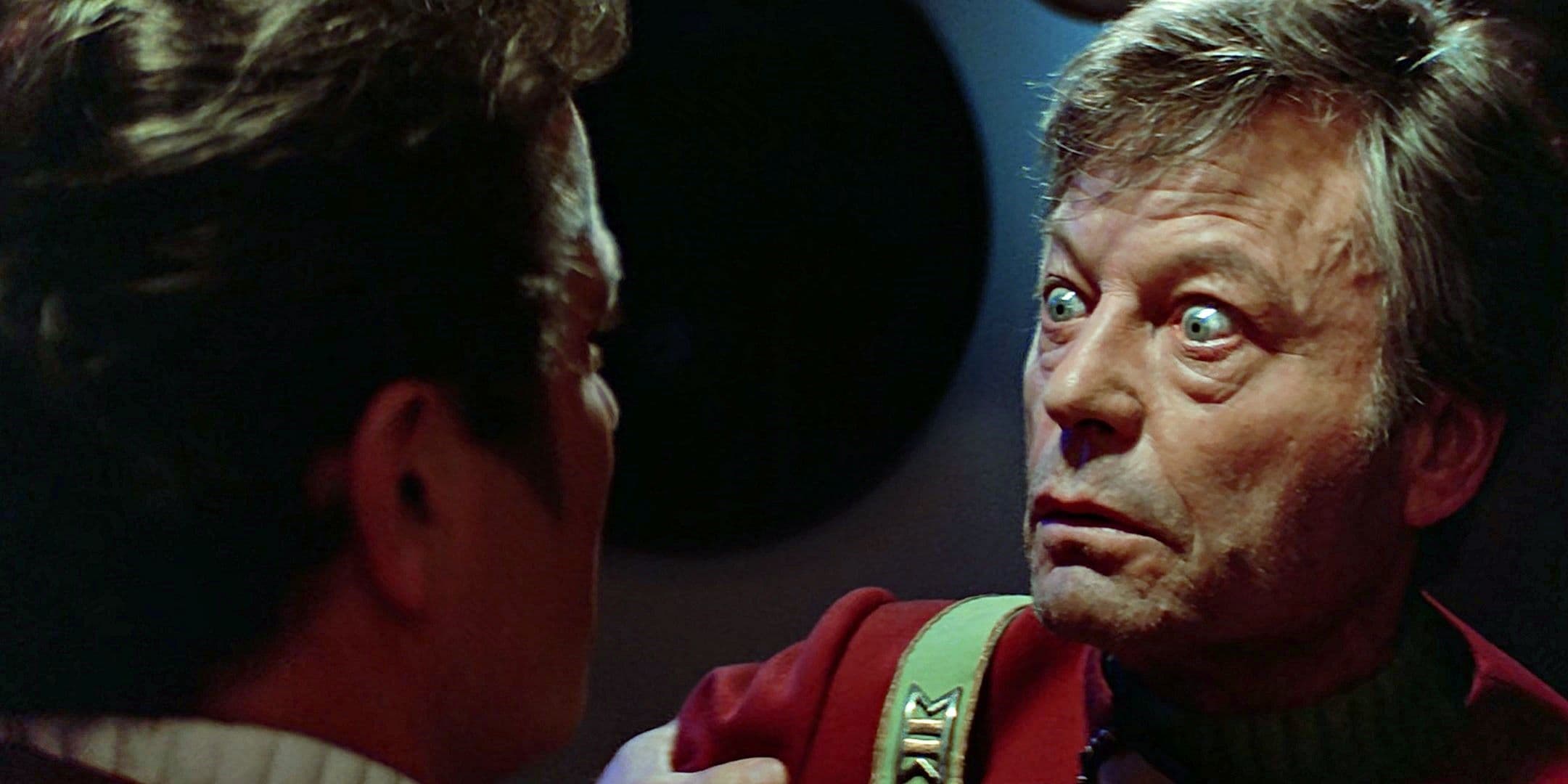
McCoy's Star Trek III Line Is the Greatest Quote in Sci-Fi History
The world of science fiction is often marked by memorable quotes that resonate with fans and encapsulate the essence of the stories being told. Among these, one line stands out from the rest, delivered by Dr. Leonard 'Bones' McCoy in Star Trek III: The Search for Spock. This quote isn't just witty or engaging; it dives deep into the philosophy of what Star Trek represents, distinguishing it from other sci-fi narratives.
Quick Summary
Dr. McCoy's notable line in Star Trek III serves as a profound reflection on the human condition and the unique perspective of the Star Trek franchise. It goes beyond mere entertainment; it touches on themes of friendship, sacrifice, and the respect for life, which have become cornerstones of the series.
Story Setup
Star Trek III: The Search for Spock is centered around the aftermath of the loss of Spock, who died in Star Trek II: The Wrath of Khan. The film follows Captain Kirk and his crew as they defy Starfleet to retrieve Spock's body from the Genesis Planet. This journey requires emotional resilience and camaraderie, traits that are highlighted through McCoy's interactions and notable dialogue throughout the film.
As they navigate through obstacles to reclaim Spock, the tension between duty and friendship provides an intense backdrop to McCoy's profound quote. His words capture not only his character's inner turmoil but also reflect the overarching themes of Star Trek, celebrating life and challenging what it means to be human.
Main Characters
- Dr. Leonard 'Bones' McCoy - The ship's chief medical officer, played by DeForest Kelley, McCoy is known for his wit and emotional depth. His ability to humanize the crew's experiences makes him a pivotal character in the narrative.
- Captain James T. Kirk - Portrayed by William Shatner, Kirk's leadership and dedication drive the group to undertake their risky mission. His friendship with Spock and McCoy adds layers to their collective journey.
- Spock - Though Spock's physical presence is minimal in this film posthumously, his philosophical influence and the quest to resurrect him are central to the story.
- Scotty - Played by James Doohan, Scotty is the engineer who makes vital contributions to the crew's plans, showcasing his loyalty to his friends.
- Uhura, Sulu, and Chekov - The supporting members of the crew bring their own strengths to the mission, embodying the diversity and teamwork that Star Trek champions.
Ending or Latest Episode Explained
The climax of Star Trek III culminates in an emotional rescue mission where challenges are overcome through unity and ingenuity. McCoy's line resonates as the crew successfully retrieves Spock's body and prepares for a deeper exploration of what it means to be alive. This finale highlights sacrifice, not just physical but emotional—a common thread in the Star Trek ethos. The characters reflect on loss, laughter, and the fragility of life, portraying a clear message that life should be treasured, a sentiment that is well articulated through McCoy's quote.
What Could Happen Next
While Star Trek III concluded the immediate arc concerning Spock's return, the implications of McCoy's insights have lasting effects throughout the Star Trek universe. Future stories can explore not only Spock's ramifications on the crew's dynamics but also the broader philosophical questions surrounding life, death, and the moral responsibilities of those who explore the cosmos. As the franchise continues to expand, particularly with new series and films in development, McCoy's lines and the themes they encapsulate could serve as a thematic touchstone for rich narrative explorations.
Why This Is Trending
The attention surrounding McCoy's quote is rooted in its profound connection to humanistic themes, especially as audiences today grapple with similar questions of life and purpose. As discussions about the role of ethics in science fiction gain traction, McCoy's timeless words underscore the enduring relevance of the Star Trek franchise. Furthermore, the nostalgic appeal of the characters and their journey appeals to both old fans and new generations rediscovering the series, making it a hot topic among pop culture discussions.
Final Thoughts
In a landscape flooded with sci-fi content, McCoy's quote remains an anchor for what makes Star Trek distinctive. It’s not just about spaceships and alien encounters; it’s about understanding and celebrating what it means to be human. The emotional depth of McCoy’s line points to a legacy that transcends mere entertainment and urges viewers to reflect on their own lives, relationships, and the choices they make. McCoy’s words continue to inspire, reminding us of the weight words can carry and the importance of attaining a deeper understanding of existence.
As the Star Trek franchise evolves, it’s essential to carry forward the wisdom of characters like McCoy whose words encapsulate the spirit of exploration and sense of wonder that Star Trek embodies. The quote stands as a testament to why this beloved series has acquired a lasting presence in popular culture, and why it's likely to remain relevant for years to come.


