5 Masterpiece Western Movies Better Than Tombstone
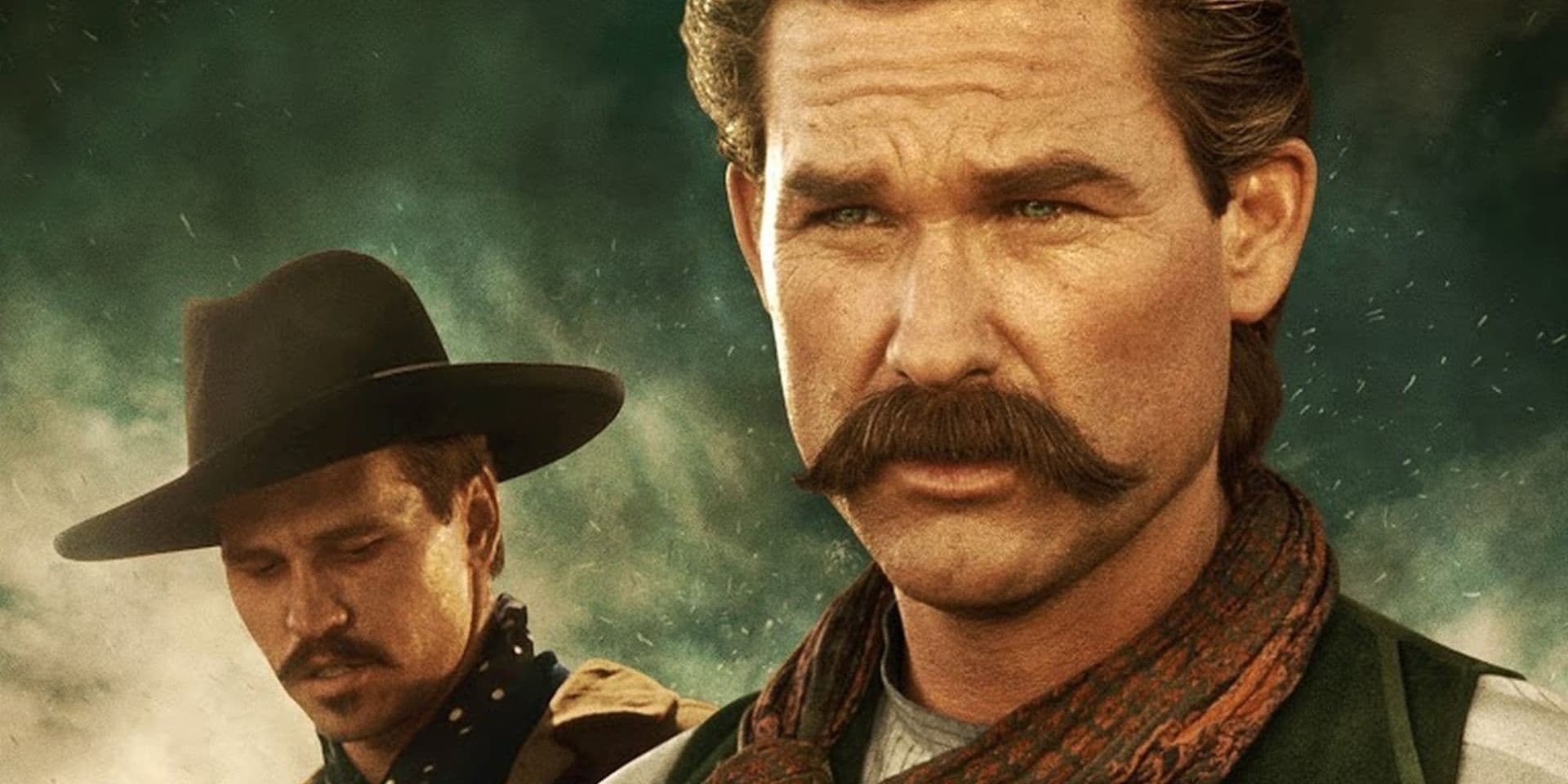
George P. Cosmatos’s Tombstone, starring Kurt Russell as Wyatt Earp, redefined the Western genre when it premiered in 1993. Its blend of action, character depth, and iconic lines has created an enduring legacy that many films have since aspired to. However, there are noteworthy contenders in the Western genre that potentially elevate the craft even further. In this breakdown, we explore five masterpiece Western films that a compelling case can be made are better than Tombstone.
Quick Summary
While Tombstone brought a modern sensibility to the portrayal of famous historical figures, other Westerns have pushed boundaries in storytelling, characterization, and thematic depth, earning a reputation as masterworks in cinema. We highlight five films that not only capture the gritty essence of the Wild West but also offer profound commentaries that resonate with modern audiences.
Story Setup
Each of the selected films diverges in its unique approach to storytelling while maintaining core Western themes such as morality, justice, revenge, and the pursuit of freedom. Some feature antiheroes grappling with their pasts, while others focus on the complexities of friendship and loyalty amidst violence and lawlessness.
The Unforgiven (1992)
Directed by Clint Eastwood, The Unforgiven delves into the harsh realities of violence in the old West. Eastwood himself stars as William Munny, a retired gunslinger drawn back into a life he left behind. The film poses moral questions about revenge and the consequences that come with it, presenting a more nuanced perspective on traditional Western tropes. Critics regard it as one of Eastwood’s masterpieces, earning multiple Academy Awards, including Best Picture.
No Country for Old Men (2007)
Although often categorized as a neo-Western, the Coen Brothers' No Country for Old Men blends classic Western motifs with a contemporary crime thriller. Set against the stark backdrop of West Texas, it showcases themes of fate, chaos, and moral decay through the intersecting lives of a hunter, a hitman, and a sheriff. Tommy Lee Jones plays Sheriff Bell, who grapples with a world rapidly spiraling out of control, making this film an uncomfortable but thought-provoking watch.
True Grit (2010)
The remake of this film by the Coen Brothers further solidifies their place in the Western genre. With Hailee Steinfeld shining as Mattie Ross, a determined young girl seeking revenge for her father's murder, the film showcases a stunning visual palette paired with profound dialogue. Jeff Bridges’ portrayal of the rugged Rooster Cogburn is compelling, blending humor with a rugged sincerity that highlights the complexities of human nature.
There Will Be Blood (2007)
While not a traditional Western in setting, There Will Be Blood tackles many themes relevant to the genre, including greed, ambition, and familial relationships. Daniel Day-Lewis’ performance as the ruthless oilman Daniel Plainview captivates audiences as it explores the underbelly of the American dream. The film's cinematography and score create an atmospheric tension that amplifies its Western motifs, making it a critical examination of morality in America’s ever-evolving landscape.
The Assassination of Jesse James by the Coward Robert Ford (2007)
This film offers a contemplative exploration of fame, myth, and betrayal through the lens of Jesse James’ life. It stars Brad Pitt as the infamous outlaw and Casey Affleck as Robert Ford, the man who idolizes him but ultimately betrays him. The narrative is rich in symbolism and pays homage to the deeper emotional struggles of its characters, making it a poetic examination of legend and legacy within the Western framework.
Main Characters
Each of these films features well-developed characters who embody the complexities of human emotion and moral ambiguity. In The Unforgiven, William Munny is a reluctant hero driven by haunting memories of his violent past. In No Country for Old Men, the philosophical Sheriff Bell represents a clash between old-world values and modern chaos. Characters in True Grit, like Mattie Ross and Rooster Cogburn, offer resilience and grit in a harsh world. Daniel Plainview in There Will Be Blood and Jesse James in The Assassination of Jesse James by the Coward Robert Ford serve as powerful embodiments of ambition and betrayal, respectively.
Ending or Latest Episode Explained
Each of these films concludes with thematic resolutions that linger long after the credits roll. For example, The Unforgiven ends not with a triumphant victory, but rather a sobering reminder of the toll that violence exacts. Similarly, No Country for Old Men leaves audiences with an ambiguous ending that forces reflection on fate and morality.
What Could Happen Next
While each of these films stands alone as a definitive statement on the Western genre, the continual evolution of storytelling in cinema suggests that future filmmakers may draw inspiration from the thematic depths these masterpieces explore. Upcoming projects may seek to merge classic Western elements with modern-day issues or alternative storytelling techniques, urging new interpretations that only build on the foundation laid by earlier titans of the genre.
Why This Is Trending
In an era where nostalgia reigns and classics like Tombstone are revisited, discussions comparing it to other masterpieces in the genre are gaining traction. Fans are eager to explore the depth, nuance, and emotional heft that can be found beyond a single iconic film. Additionally, renewed interest in Westerns due to modern reinterpretations and evolving societal conversations about ethics and morality contributes to the ongoing relevance of these films.
Final Thoughts
While Tombstone is undeniably a landmark in Western cinema, the genre encompasses a diverse array of films that challenge audiences and push narrative boundaries. The five films outlined above not only offer riveting storytelling but also remain poignant explorations of the human condition. As the Western genre continues to evolve, these masterpieces will undoubtedly remain timeless references in the discussion of what defines a truly great film.