16 Years Later, Lost Fan Favorite Finally Addresses Controversial Finale Explained
The legacy of Lost continues to unfold, even more than a decade after it first captivated audiences with its enigmatic plot and unforgettable characters. Sixteen years post-finale, the series remains a topic of heated discussion, particularly regarding its controversial ending. Daniel Dae Kim, who played Jin-Soo Kwon, has recently addressed the series’ conclusion, shedding light on fan reactions and what could potentially happen in the future of the franchise.
In this breakdown, we’ll explore the themes, characters, and implications of the series’ ending, as well as what this renewed conversation means for fans today.
Quick Summary
Lost animates complex themes of survival, faith, and redemption through its intriguing narrative. Sixteen years after its conclusion, the mixed reception of the finale lingers, with fans divided on its effectiveness. Daniel Dae Kim’s recent comments have reignited interest in the series, offering a fresh perspective on the ending that still baffles viewers, inviting speculation on future possibilities.
Story Setup
Launched in 2004 and concluding in 2010, Lost follows the survivors of a plane crash on a mysterious island filled with supernatural elements and existential challenges. Mixing adventure drama with a rich array of characters deeply connected through their pasts, the series intricately weaves individual backstories into the overarching plot, escalating suspense and emotional depth throughout its six-season run.
As the series progresses, viewers are presented with numerous narrative puzzles, exploring themes of fate versus free will, the consequences of one’s choices, and the duality of good and evil. The slow unfolding of these elements maintains audience engagement, as each season reveals deeper mysteries and character motivations evolving within the confines of the island.
Main Characters
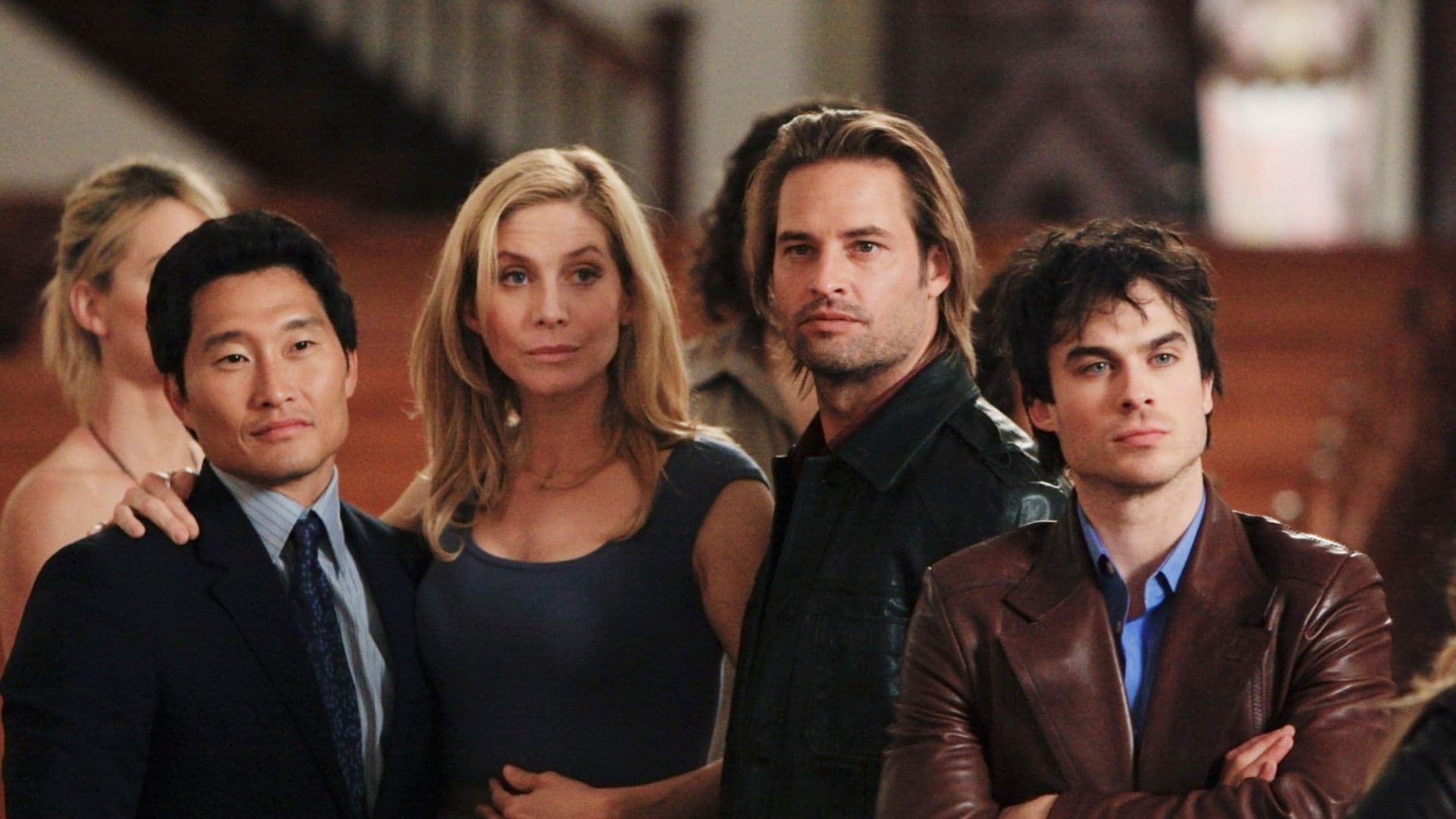
Lost features a diverse ensemble cast, among whom several standouts define the narrative:
- Jack Shephard (Matthew Fox): A spinal surgeon and reluctant leader, Jack embodies the struggle between logical reasoning and faith throughout the series.
- Kate Austen (Evangeline Lilly): A fugitive with a complex past, Kate's journey intertwines with Jack's, highlighting themes of redemption and love.
- Sawyer (Josh Holloway): The charming conman with a heart of gold, Sawyer’s witty banter provides comic relief while showcasing conflicted loyalties.
- Hurley (Jorge Garcia): A lottery winner grappling with the idea of luck, Hurley serves as the everyman, often grounding the philosophical discussions of the series.
- Jin-Soo Kwon (Daniel Dae Kim): A character whose journey from a controlling husband to a loving partner exemplifies themes of sacrifice and transformation.
The interplay between these characters serves as the backbone of many pivotal storyline moments, each contributing to the show’s powerful emotional resonance.
Ending or Latest Episode Explained
Ending in May 2010, Lost’s finale, titled “The End,” polarized its fanbase. The dual narrative structure presented in the last season culminates in a metaphysical showdown between the living and the dead, raising questions about the nature of life and the afterlife. The conclusion of the series left many fans bewildered, especially regarding the significance of the flash-sideways narrative that concluded with the characters finding redemption and closure.
Daniel Dae Kim’s recent reflections on the series offer insight into these unresolved feelings among fans. He shared that the finale aimed to provide emotional closure rather than concrete answers about the island's mysteries. Fans' mixed opinions stem from their expectations of a more definitive resolution, contrasting with the show’s inclination toward abstract, philosophical dialogues about existence.
By addressing the finale so long after its airing, Kim has opened up a deeper conversation about the nature of storytelling and what audiences seek in conclusions. His perspective underscores that while not everyone may have liked the outcome, the significance lies in the emotional journeys encountered by the characters.
What Could Happen Next
With such a beloved series continuing to capture the imagination of audiences, the potential for a revival, sequel, or spinoff remains tantalizing. Discussions have surfaced recently about the possibility of exploring unexplored narratives within the Lost universe. Reviews of Kim’s reflections posit a thirst for a deeper dive into themes of redemption and exploration of other lost characters’ stories, perhaps discovering new dimensions tied to the original plot.
Moreover, the resurgence of discussions about its controversial ending may give way to new reinterpretations or fan-driven projects that revisit the world crafted by J.J. Abrams and the writers. The creativity within the fandom solidifies the enduring impact of the series and how it fosters connections and inspiration among viewers.
Why This Is Trending
The continued relevance of Lost in pop culture exemplifies the unique nature of modern television storytelling that resonates long after a show has concluded. Daniel Dae Kim's reflective comments serve as a catalyst for renewed discussions surrounding the series, allowing fans to re-engage with the narrative on a deeper level. As social media platforms rekindle conversations around the show’s ending, both die-hard fans and new viewers are drawn back into the intricate web of mysteries that define Lost.
In an age where rebooting beloved franchises has become commonplace, the ongoing dialogues around Lost present opportunities for potential new content while celebrating the series' profound legacy.
Final Thoughts
In addressing the controversial end of Lost, Daniel Dae Kim has not only provided insight into the creative intentions behind the narrative but has also reignited the passion within the fandom. By emphasizing the emotional resolutions of the characters, he has opened the door for a broader dialogue surrounding storytelling and conclusions in serial narratives. Sixteen years later, Lost remains a powerful subject of discussion, resonating deeply with audiences and symbolizing the complex tapestry of human experience that the series expertly depicted. Whether through direct continuations or inspired fan works, the spirit of Lost thrives on, inviting fresh interpretations and explorations of its unending mysteries.