The Lord of the Rings' Strongest Kings of Men, Ranked
The legacy of J.R.R. Tolkien's The Lord of the Rings is adorned with heroes and antiheroes, many of whom ascended to the throne as kings of men. Each king brought unique strengths, leadership qualities, and legacies to the diverse lands of Middle-earth. But which ones truly stood out as the mightiest rulers? This analysis ranks the strongest kings of men based on their prowess, character, and impact on the stories that continue to captivate audiences.
Quick Summary
This article delves into the most formidable kings in The Lord of the Rings universe, serving as both icons of strength and rich character arcs. By examining their various attributes, we aim to provide readers with insight into who reigns supreme among the rulers of men.
Story Setup
In the landscapes of Middle-earth, kingdoms rise and fall, shaped by the destinies of the men who govern them. Kingship is inherently linked to power, honor, and the often-harrowing responsibilities of safeguarding their people. Characters like Aragorn, Theoden, and Denethor emerge from the narrative tapestry, each illustrating different shades of leadership and strength—whether through their armies, wisdom, or sheer willpower against dark forces. The realm is rife with conflicts that showcase how each king battles against his own demons and external foes.
Main Characters
-
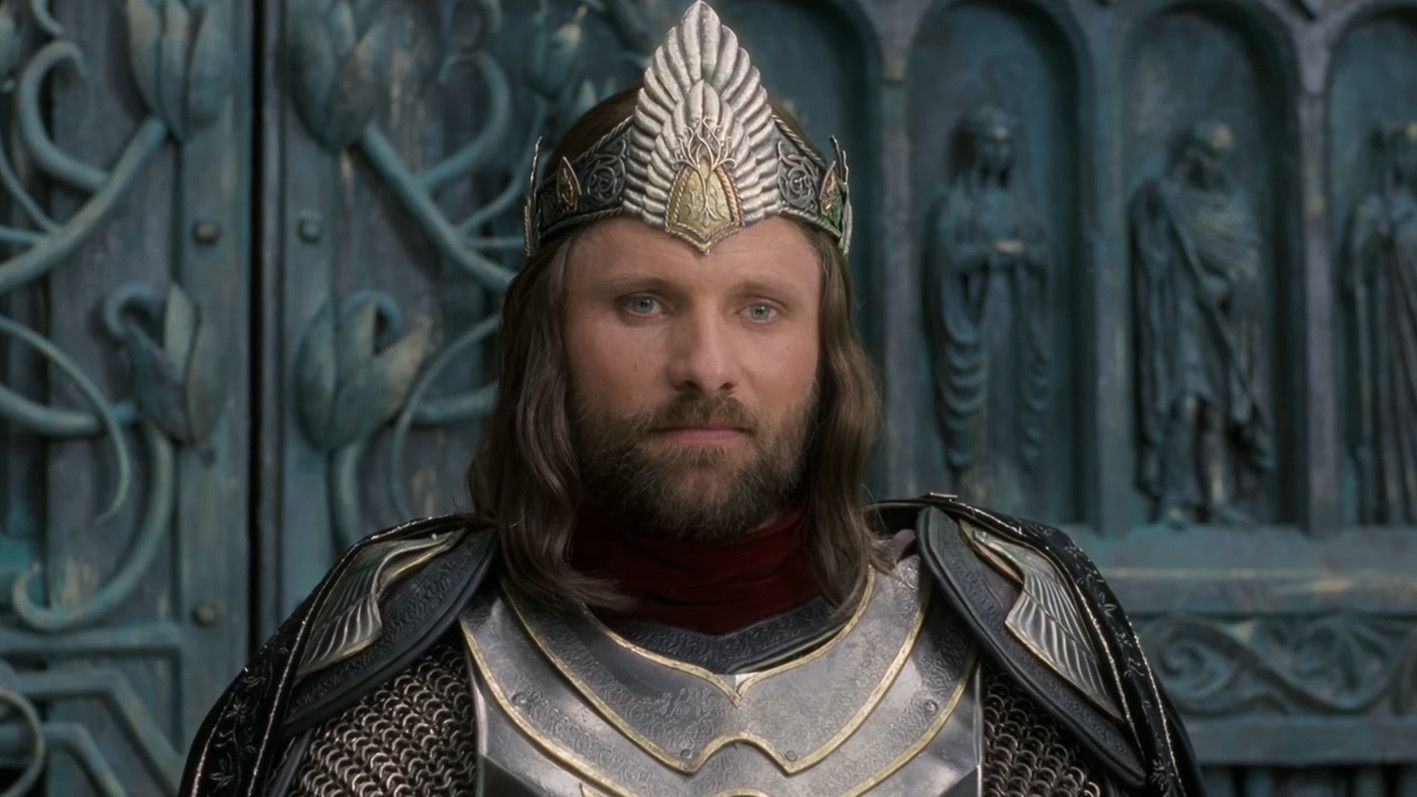
Aragorn: Perhaps the most recognizable of the kings, Aragorn is a character who embodies the pinnacle of humanity’s potential. A ranger turned king, his journey is marked by his resilience, humility, and deep sense of duty. His leadership rallies the free peoples of Middle-earth against Sauron, asserting that true strength lies not just in power but in sacrifice and love for one's people.
-
Theoden: The king of Rohan, Theoden's arc reflects personal redemption. Initially depicted as a frail leader under the influence of Saruman, he regains his strength and valor when he faces the onslaught of Uruk-hai. Theoden's transformation emphasizes the importance of courage and unity, leading his cavalry into battle with the famed cry, "Death!"
-
Denethor: As the steward of Gondor, Denethor is often seen as a tragic figure. Lacking the ability to wield power as effectively as his predecessors, he succumbs to despair, making decisions that ultimately endanger his kingdom. Denethor serves as a foil to Aragorn, teaching that strength without wisdom can lead to ruin.
-
Isildur: The first king of Gondor, Isildur is both revered and cursed. While he was a great leader who defeated Sauron, his inability to destroy the One Ring leads to centuries of strife for Middle-earth. Isildur reflects the dual nature of kingship, where strength can also be a source of downfall.
-
Elessar (Aragorn's Reign): After taking the throne of Gondor, Aragorn's reign as Elessar marks a period of revival and hope. His emphasis on diplomacy, unity, and rebuilding his kingdom contrasts sharply with past monarchs who fell to despair and vengeance, showcasing another facet of kingly strength.
Ending or Latest Episode Explained
Based on available public metadata, we know that the cinematic adaptations of The Lord of the Rings concluded with the defeat of Sauron and the unification of Middle-earth under Aragorn's rule. However, the fate of each king varies based on their choices: while Aragorn ascends to a well-deserved legacy, Denethor's tragic arc serves as a resonant reminder of the consequences of despair and misdirection. The endings of these characters leave viewers reflecting on the qualities that define true leadership, and the weight of what it means to wear a crown.
What Could Happen Next
As the world of Middle-earth continues to evolve through new adaptations, potential storylines could explore the resurgence of Kingship in a post-war era. Future narratives might wander into the intricate life of Aragorn as a ruler, examining the challenges of governance after so much turmoil. Storylines could detail the struggles of rebuilding, diplomacy, and personal relationships in a realm newly liberated but still fraught with lingering shadows.
Why This Is Trending
This topic has seen a rise in interest as conversations about leadership qualities span beyond fantasy into real-world implications, making it a hot-button issue across various forums. Additionally, renewed interest in Tolkien's works, sparked by adaptations and the exploration of lesser-known characters, has led fans and scholars alike to dissect the legacies of these kings, pushing them into mainstream discussions. With events in contemporary narratives mirroring themes from The Lord of the Rings, the parallels draw attention and spark debates about the virtues and vices inherent in leadership.
Final Thoughts
The kings of men in The Lord of the Rings serve not only as figures of power but also as representations of human struggles, triumphs, and ultimate flaws. Their stories are interwoven with lessons on strength, humility, and the grave responsibilities shouldered by those in power. As audiences reflect on these characters, they find themselves entangled in a rich narrative that transcends the confines of Middle-earth, revealing timeless truths about leadership and legacy. By ranking these powerful rulers, we celebrate their indelible marks on Tolkien's world and on the hearts of fans everywhere.