Godzilla
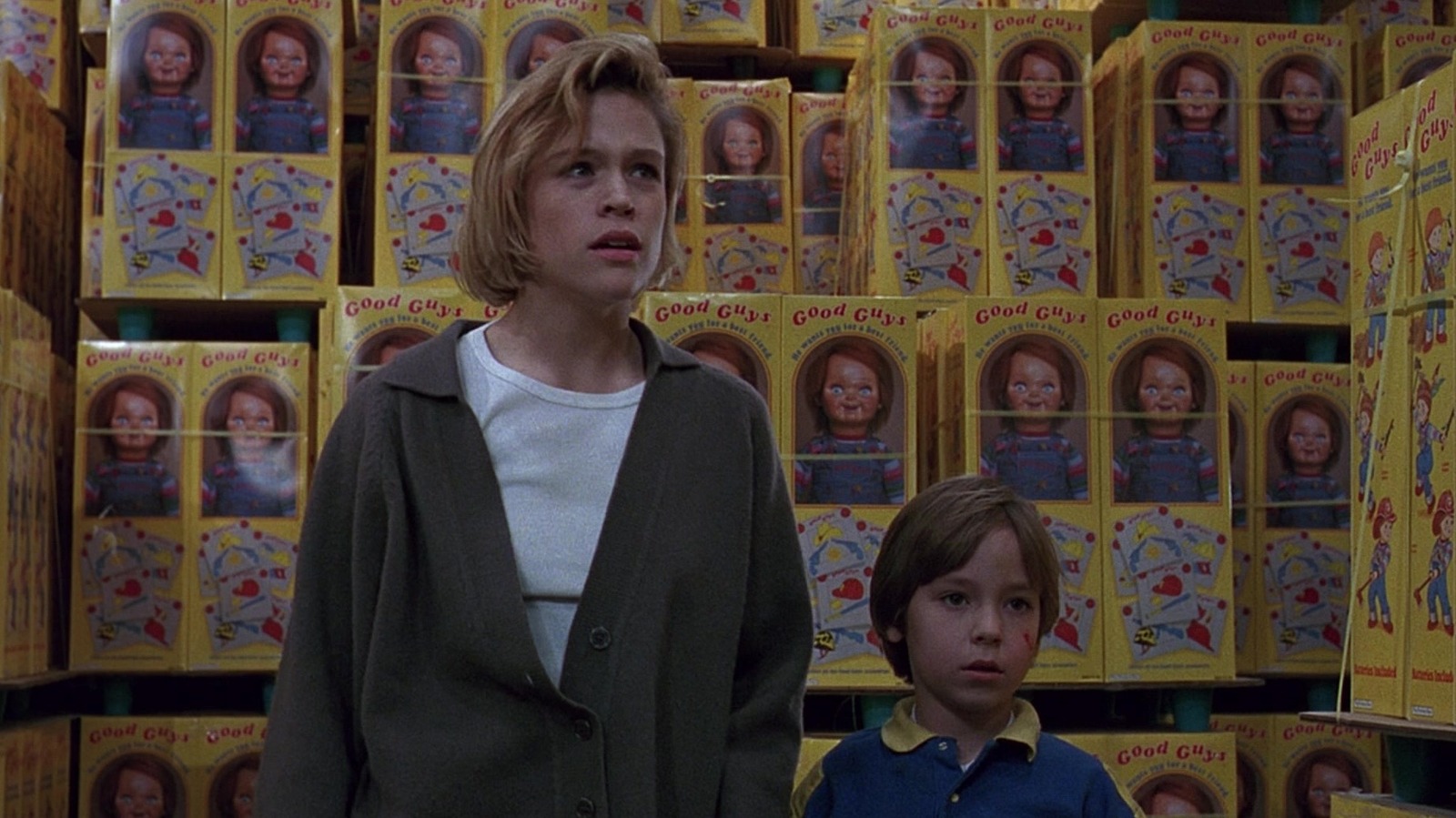
Exploring the Child's Play Franchise on Netflix
Dive into the themes, character choices, and plot developments of the 'Child's Play' franchise now streaming on Netflix.
Delve into the intricate themes of gaslighting and trauma in 'Killer Clown,' focusing on Elizabeth’s psychological journey and its broader implications.
In Killer Clown, the narrative weaves together elements of horror and psychological thriller, centered around Elizabeth, who faces the chilling aftermath of witnessing her mother's murder by a clown in her childhood. This traumatic event shapes her life and perception of reality, propelling the film’s exploration of gaslighting and its effect on trauma survivors.
The film opens with a harrowing scene where a young Elizabeth (played by Hazelyn Morrison) sees her mother, Samantha (Amanda Jordan), shot by a clown. This vital moment not only establishes the foundation of Elizabeth's fear but also introduces viewers to the lasting effects of trauma. As the story progresses thirty years later, Elizabeth grapples with her past, driving the plot toward themes of revenge and empowerment in the face of psychological manipulation.
As an adult, Elizabeth encounters a new wave of gaslighting from those around her. The film deftly illustrates how societal perceptions and skepticism toward trauma can further entrench individuals in their suffering. External threats from the resurfacing clown amplify Elizabeth's struggles, yet it's the emotional manipulation from trusted individuals that acts as the true antagonist. This poignant portrayal raises critical questions about the validity of trauma and the societal impulse to doubt survivors.
Key scenes highlight Elizabeth's attempts to articulate her experiences, only to be met with disbelief, mirroring real-world dynamics faced by many trauma survivors. This societal failure to acknowledge and validate experiences of violence complicates Elizabeth's journey, showcasing the thin line between victim and survivor. Through this lens, the film challenges viewers to recognize the impact of doubt and dismissiveness on those who have suffered.
Symbolically, the clown embodies not only the physical manifestation of fear but also the deceptive facades that people maintain. The juxtaposition of innocence with the clown's terror illustrates how perceptions can be easily manipulated. Elizabeth’s interactions with the clown serve to unravel her stability, culminating in a deeper exploration of psychological horror and the insidious nature of gaslighting.
As the narrative approaches its climax, Elizabeth confronts her fears, culminating in a critical moment of self-assertion. This resolution aligns with the film's overarching message about the challenges and triumphs of reclaiming one’s narrative against psychological oppression. Elizabeth’s journey emphasizes that overcoming the shackles of gaslighting, while arduous, is crucial in the path toward empowerment.
The implications of Killer Clown resonate beyond its narrative, fostering important discussions regarding the challenges faced by trauma survivors in society. It advocates for a culture that believes and supports those who have endured violence, encouraging an understanding of the long-lasting effects of gaslighting. This message aligns the film with other critical works, such as Monster: The Lizzie Borden Story, that delve into perception, reality, and trauma.
In summary, Killer Clown effectively articulates that the true horror lies not just in the threat of danger but in the psychological ramifications that extend into the survivor's reality. It serves as a reminder that believing and supporting trauma survivors is essential against the backdrop of manipulation and doubt. What this means is that the film not only entertains but also educates audiences on the importance of validating lived experiences.
Movie explanation
EpisodeBreakdown may use automated tools to assist research, drafting, and formatting. Published pages are governed by our editorial and corrections policies, and source links are shown when they are available in the article record.
Discovery source: Bloody Disgusting. The source identifies where the topic was discovered; EpisodeBreakdown is responsible for the commentary published on this page.
Reader response
Reactions and poll results are based on real reader responses. No account is required.
A deep dive into 'Godzilla Minus Zero', exploring its major themes, character decisions, and narrative progression leading to the climax.