Kevin Feige Compares Doctor Doom Buildup to Thanos, But Marvel Fans Aren't Buying It
Marvel Studios made a significant splash at this year's San Diego Comic-Con, presenting a slew of exciting announcements and teasers. Among these was Kevin Feige's notable comparison of Doctor Doom's character development to that of Thanos, a comparison that has sparked considerable discussion. Fans, however, seem less than convinced about the validity of this parallel.
Quick Summary
Marvel's recent Hall H panel revealed a new take on several iconic characters, including Doctor Doom. Kevin Feige drew attention to the narrative depth he hopes to achieve with Doom, likening it to the intricate buildup of Thanos over several films. Despite this ambitious vision, many fans appear doubtful, questioning whether the MCU can replicate Thanos's success with a character like Doom.
Story Setup or Current Context
As the Marvel Cinematic Universe (MCU) continues to expand, expectations are high for how it develops key characters. Thanos's portrayal was a culmination of years of intricate storytelling, which captivated audiences and built a narrative arc that resonated on multiple levels. With the recent influx of new characters and series announcements, Marvel has a rich tapestry to work with that could allow for deeper, engaging plots in the future.
Main Characters or Key People
- Kevin Feige: The mastermind behind the Marvel Cinematic Universe, whose insights often set the tone for future projects.
- Doctor Doom: An iconic character from the Marvel comics, known for his intellect, ambition, and complex relationship with other heroes, particularly the Fantastic Four.
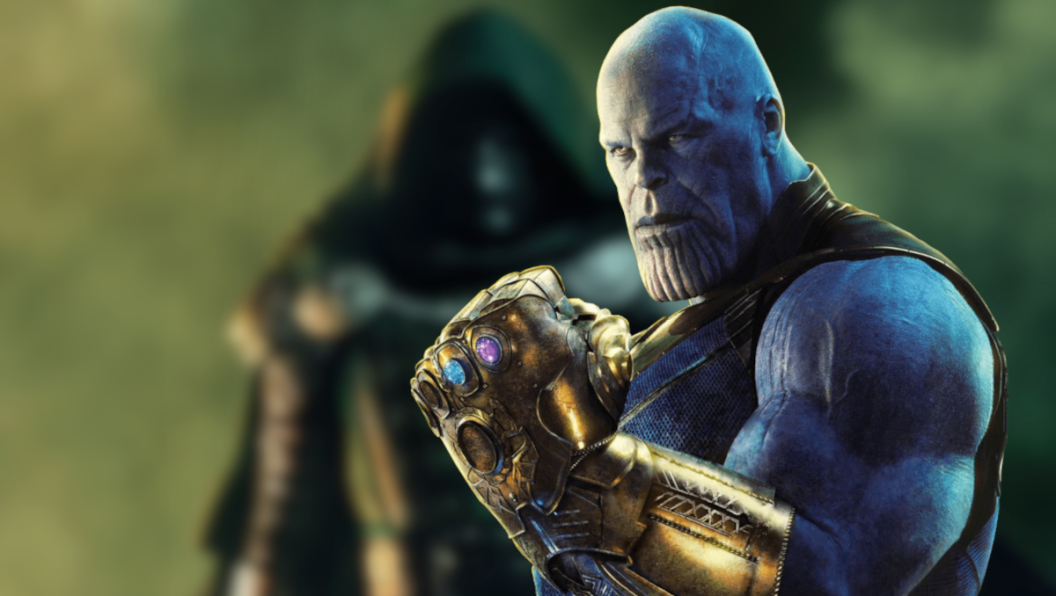
- Thanos: The previous major villain in the MCU, whose multifaceted characterization set a high bar for future antagonists.
Ending, Latest Episode, or Announcement Explained
While specifics regarding upcoming films or series centered on Doctor Doom are sparse, Feige's comments suggest a deliberate effort to craft a narrative that allows for ample character development. The notion of following a trajectory similar to Thanos indicates a larger plan, yet detailed outlines for how this will unfold remain under wraps.
What Could Happen Next
Fans can anticipate various possibilities as the MCU introduces new narratives. Doctor Doom's journey could explore themes of power, morality, and redemption—concepts that resonate just as deeply as Thanos's own motivations. However, Marvel needs to create a compelling narrative foundation quickly to avoid losing audience interest. The groundwork laid during events like the San Diego Comic-Con will be crucial for establishing meaningful connections with viewers.
Why This Is Trending
Marvel's capacity to draw parallels between characters is always a topic of discussion among fans. The skepticism around Kevin Feige's comparison of Doctor Doom to Thanos speaks to a larger trend of growing expectations regarding villain characterization in superhero narratives. Fans are eager to see how new stories will unfold and whether they can live up to previous successes.
Final Thoughts
The potential for Doctor Doom's character development is exciting, but the road ahead will require careful storytelling. As fans continue to discuss and debate these comparisons, Marvel must deliver a narrative that can stand on its own, separate from the shadow of Thanos. Only time will tell if the MCU can meet these lofty aspirations and cement Doctor Doom as a memorable figure within its ever-expanding universe.
Frequently Asked Questions
Q: Will Doctor Doom appear in upcoming Marvel films?
A: Specific details about future appearances of Doctor Doom remain undisclosed, but Marvel has indicated that significant plans are in the works.
Q: How does the character of Doctor Doom differ from Thanos?
A: While both are formidable villains, Doctor Doom is often characterized by his complex motivations tied to his quest for power and his desire for respect.
Q: How important is character development in the MCU?
A: Character development is crucial in the MCU, as it allows for deeper emotional connections with audiences and enhances the overall narrative experience.