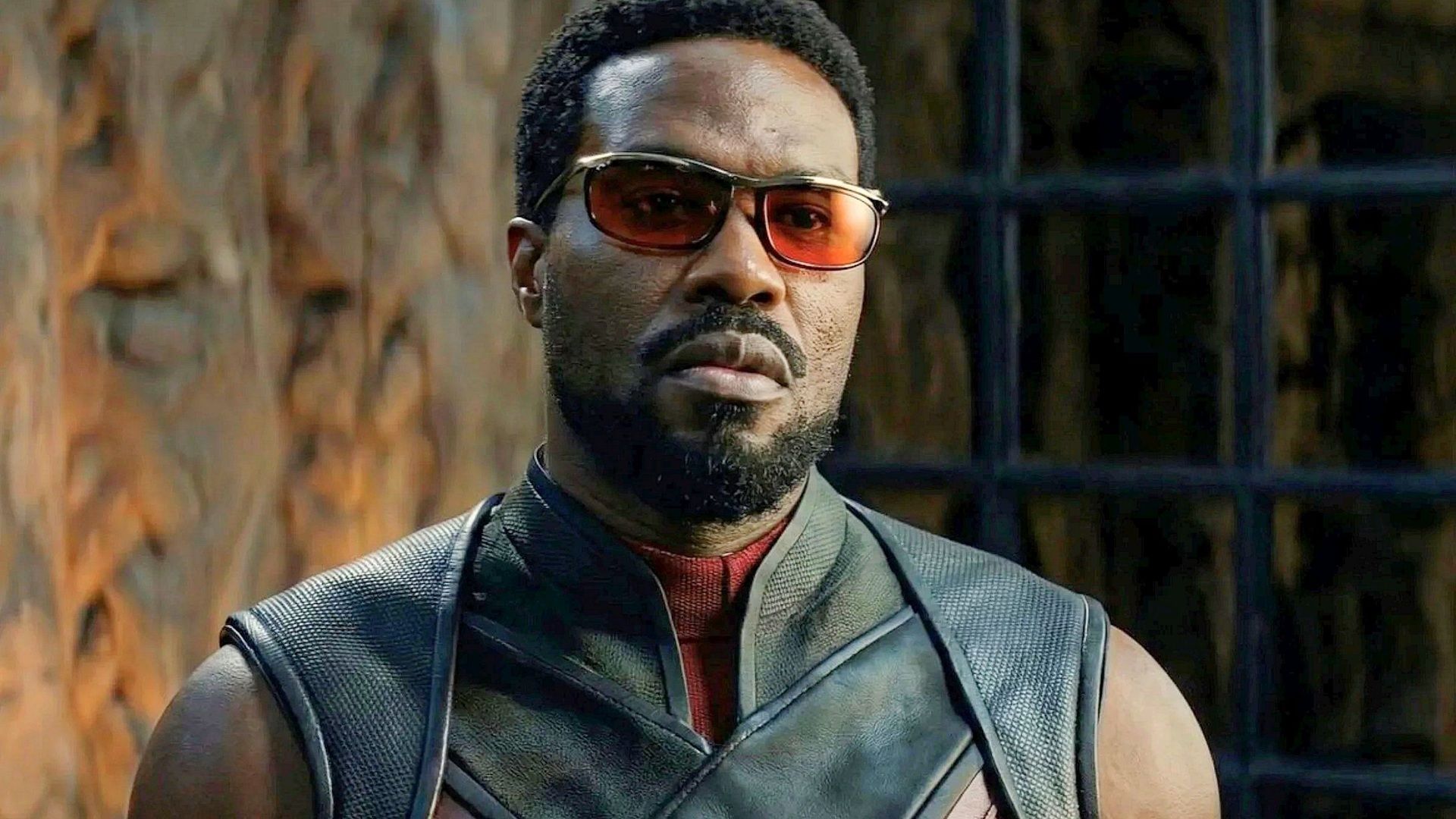
What's Next for Taylor Sheridan's Lioness Ahead of Season 3?
Lioness stars discuss the show's future as Season 3 approaches, hinting at potential renewal for Season 4.
Ken Burns' new PBS docuseries 'The American Revolution' explores the complexities of America's founding through diverse voices and perspectives.
In simple terms, filmmaker Ken Burns has unveiled his latest docuseries, The American Revolution, co-directed with Sarah Botstein. Announced on July 30, 2026, this PBS series reexamines the narrative of America’s founding, arguing that it was less a straightforward battle for independence and more a complicated conflict characterized by contradictions concerning power, land, and freedom. The six-part, 12-hour documentary highlights untold stories and multiple perspectives, revealing the diverse narratives that shaped America's history.
This docuseries, which took over nine years to complete, is particularly noteworthy as it marks a watershed moment for PBS—becoming the first title to breach Nielsen’s top ten streaming ratings. As portrayed in the series, the timeline spans significant events from the French and Indian War in 1754 to the Revolutionary War and its repercussions.
Burns and Botstein emphasize that the American Revolution was not merely about the colonies striving for freedom from British rule; it was a brutal civil conflict that divided families and communities. "We are a complicated country. We are continuously debating and swaying one view to the other. That is true in pretty much all of American history," Botstein stated, highlighting the enduring divisions that characterize the nation's history.
The series incorporates over 400 voices and features nearly 200 first-person accounts performed by renowned actors like Meryl Streep, Samuel L. Jackson, and Tom Hanks. Botstein credits the extensive research conducted by show writer Geoffrey C. Ward for enriching the storytelling and providing depth to the historical context.
One of the most significant contributions of The American Revolution is its focus on amplifying stories from women, children, and people of color who played crucial roles yet are often overshadowed in traditional narratives. The filmmakers aim to bring these voices to the forefront, exploring how Black and Indigenous individuals had to navigate their complex realities during a time when their interests were often disregarded by both sides in the conflict. Botstein pointed out that for Black people and Indigenous communities, the revolution was less about independence and more a struggle for survival and cultural preservation.
Given the current climate of polarization in America, the timing of this docuseries is particularly relevant. As communities grapple with complicated discussions surrounding history and identity, The American Revolution serves as a crucial reminder of the nation’s messy beginnings and the ongoing struggles for equity and justice. Botstein asserts that there is a collective responsibility to convey accurate histories in order to enlighten future generations about the complexities of current geopolitics.
The series arrives at a time when viewers are increasingly demanding more nuanced representations of history. The emphasis on marginalized voices reflects a growing trend among documentaries to challenge sanitized narratives and reconnect with a more authentic past. This is evident in the significant attention given to the complexities of the founding, exemplifying the multifaceted nature of American identity.
With The American Revolution, PBS has not only produced a groundbreaking docuseries but has also set a precedent for how historical narratives can be reevaluated and retold. By expanding the conversation around American history, the project strives to foster greater understanding among viewers about the intricacies of national identity and the ongoing implications of historical events. This reexamination may inspire further explorations into America's past, encouraging audiences to critically engage with the foundational stories that shape the current sociopolitical landscape.
For additional insights into visual storytelling, you might find interest in Hollywood’s Wildest Meat Party, the Beefsteak, is Back! and Fabien Frankel Reflects on His Time as Criston Cole in 'House of the Dragon'.
Entertainment news
EpisodeBreakdown may use automated tools to assist research, drafting, and formatting. Published pages are governed by our editorial and corrections policies, and source links are shown when they are available in the article record.
Discovery source: The Hollywood Reporter. The source identifies where the topic was discovered; EpisodeBreakdown is responsible for the commentary published on this page.
Reader response
Reactions and poll results are based on real reader responses. No account is required.