Jujutsu Kaisen Villains Who Got What They Deserve
In the intense world of Jujutsu Kaisen, no character epitomizes the fine line between good and evil quite like its villains. As the series unfolds, fans eagerly watch these antagonists wreak havoc, only to face repercussions that align with their sinister actions. In this article, we break down the villains of Jujutsu Kaisen who truly got what they deserved and the wider implications within the story.
Quick Summary
This piece discusses the fates of several villains in Jujutsu Kaisen, exploring how their actions led to consequences that resonated with audiences. From the powerful curses to the human antagonists, each character's downfall serves as a narrative tool to reinforce the themes of justice and retribution.
Story Setup
Jujutsu Kaisen is set in a world where cursed spirits arise from negative human emotions. The story is primarily centered around Yuji Itadori, a high school student who becomes entwined with the world of jujutsu sorcerers after consuming a cursed object — the finger of Ryomen Sukuna, an immensely powerful curse. As Yuji joins the Tokyo Metropolitan Jujutsu Technical School, he encounters various villains who embody unrestrained hatred, malice, and the desire for chaos.
These villains, built on the archetypes of traditional anime antagonists, often find themselves up against the sorcerers striving to protect humanity. However, as the narrative progresses, it becomes evident that the consequences of their actions aren't merely plot devices but resonate deeply with the themes of justice and morality.
Main Characters
The villains of Jujutsu Kaisen are not just mere antagonists; they are complex characters shaped by their histories, desires, and traumas. Here are a few notable examples:
1. Sukuna
Known as the King of Curses, Sukuna is a formidable force whose presence looms over the series. However, his arrogance and ruthlessness often lead him to engage in violent confrontations that carry heavy implications for both sorcerers and curses alike. As the series navigates his character's duality — both as a curse and through Yuji's actions — the stakes of retribution become incredibly clear.
2. Mahito
Mahito represents the embodiment of true evil, showcasing a grotesque fascination with the manipulation of souls and the suffering of others. His encounters with key characters illuminate the consequences of unchecked ambition and cruelty, making his eventual downfall satisfyingly inevitable.
3. Jogo
A curse that believes in the superiority of cursed spirits over humans, Jogo's actions stem from deep-seated resentment. As he aims to bring about a world devoid of humanity, the narrative ensures that his eventual confrontation aligns with the themes of justice — a critical element that resonates with fans.
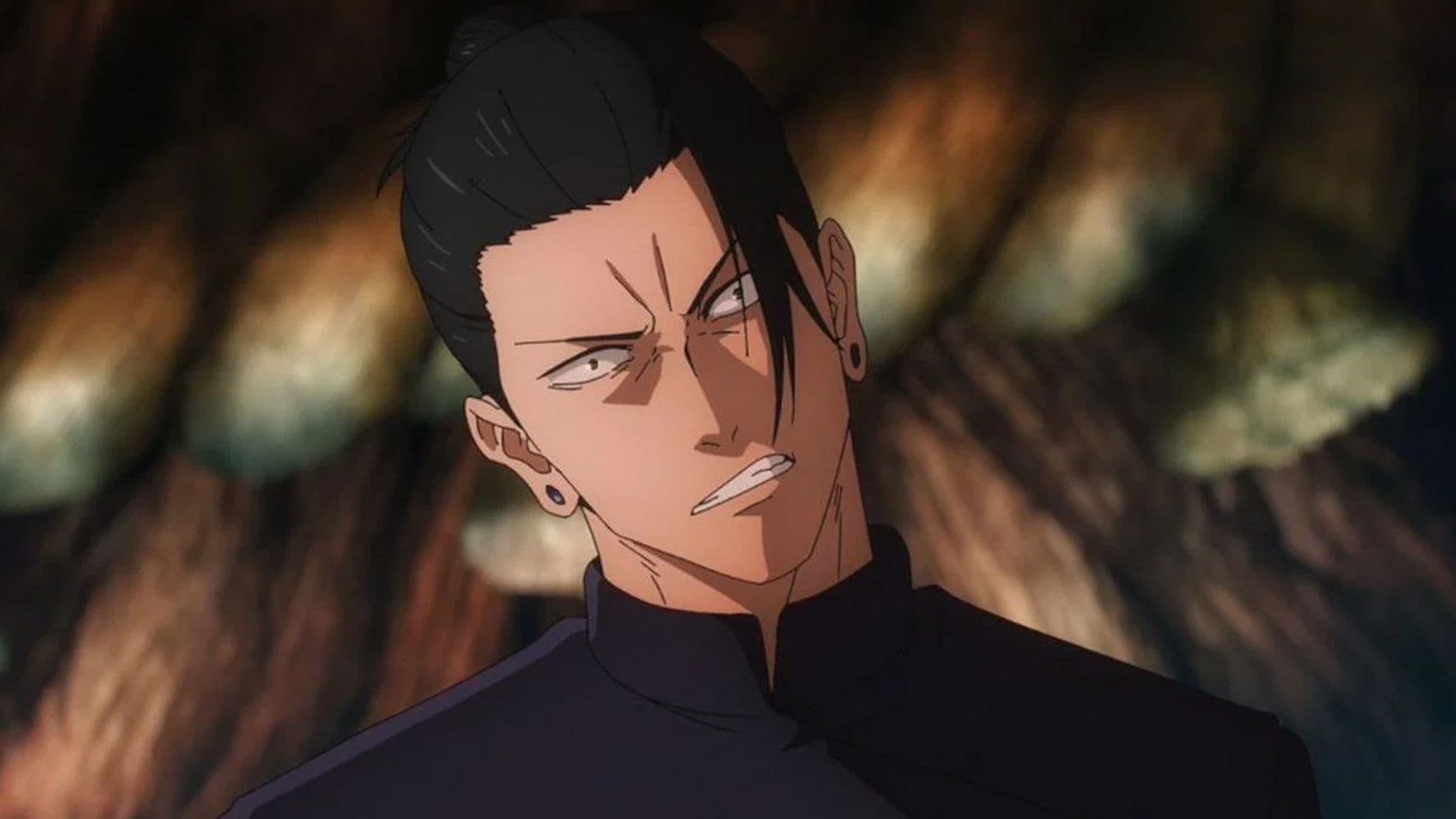
4. Geto Suguru
Geto is a human antagonist who provides insight into the complexities of ideology and morality within the series. His actions are a direct challenge to the jujutsu world, leading to apparent chaos and mayhem. His end serves as a pivotal moment in understanding the consequences faced by those who seek to upend the balance.
Ending or Latest Episode Explained
Based on available public metadata, the latest rounds of retribution faced by these villains have left a significant mark on the narrative. Their downfalls represent more than just narrative closure; they cement the notion that evil acts result in consequences, a principle which resonates well within the viewer community. The rise and fall of these antagonists sparks discussions surrounding morality and justice, inviting audiences to reflect on the choices made by not just the heroes, but also the villains.
What Could Happen Next
The fate of these villains may seem tied up, but the beauty of Jujutsu Kaisen is the ongoing tension and potential for new antagonists to rise. As sorcerers evolve and new threats emerge, it remains to be seen how the remnants of these fallen villains, especially Sukuna, could play a role in future arcs. With emotional stakes running high, character development will undoubtedly remain at the forefront, promising fans exhilarating storylines and further exploration of morality.
Why This Is Trending
The recent discussions surrounding Jujutsu Kaisen's villains stem from a growing acknowledgment of how compellingly the series deals with themes of consequences and retribution. Fans appreciate how these villains, through their tragic flaws and moral failings, reflect fundamental questions about justice in society. The engagement from fans has resulted in robust discussions on social media platforms, fan forums, and dedicated anime communities. As viewers dissect character arcs, the collective sentiment about poetic justice in the series keeps the conversation alive.
Final Thoughts
Jujutsu Kaisen continues to shine by delving deep into the psyche of its villains, illustrating that evil often carries its own form of justice. The dramatic fates of Sukuna, Mahito, Jogo, and Geto aren’t just thrilling conclusions; they resonate with the audience’s desire for a narrative that balances morality, justice, and character development. As fans eagerly speculate about future developments, one thing is clear: Jujutsu Kaisen delivers a powerful commentary on the nature of good versus evil, ensuring that viewers remain hooked and thinking critically long after the credits roll.


