25 Years After Box Office Disappointment, This Musical Satire Is Now A Cult Classic
In an age where pop culture often dictates trends and public opinion, it’s remarkable to witness a film evolve from a box office failure into a beloved cult classic. The movie in question is the 2001 satirical musical adaptation of the long-time comic strip, "Josie and the Pussycats." Initially released to mixed reviews and lackluster ticket sales, the film has since gained a loyal following, praised for its sharp critique of celebrity culture and the music industry. Let’s take a closer look at why "Josie and the Pussycats" has resonated so profoundly over the years.
Quick Summary
"Josie and the Pussycats" follows the fictional band led by the titular character, Josie, as they navigate the tumultuous waters of fame. Initially overlooked upon its theatrical release, the film has garnered appreciation for its commentary on consumerism and the manipulations of the music industry. With a vibrant visual style and catchy tunes, it explores themes of identity, authenticity, and the often absurd nature of fame.
Story Setup
At its core, the narrative revolves around Josie McCoy and her bandmates, Melody and Valerie, who are drawn into the music industry's chaotic whirlpool. The story kicks off with the trio struggling to be noticed in a world dominated by larger acts and manufactured pop stars. Their lives take a turn when they are discovered by a talent scout, leading to a whirlwind of success infused with greater challenges than they could ever anticipate.
The plot delves into how quickly fame can change one's life, often highlighting the superficial nature of celebrity culture. The film cleverly intertwines elements of comedy and drama, utilizing humor to engage with deeper societal critiques—an element that was overlooked during its initial release.
Main Characters
- Josie McCoy (played by Rachael Leigh Cook): The protagonist and determined leader of the Pussycats, Josie embodies ambition and talent but is ultimately faced with the daunting realities of fame.
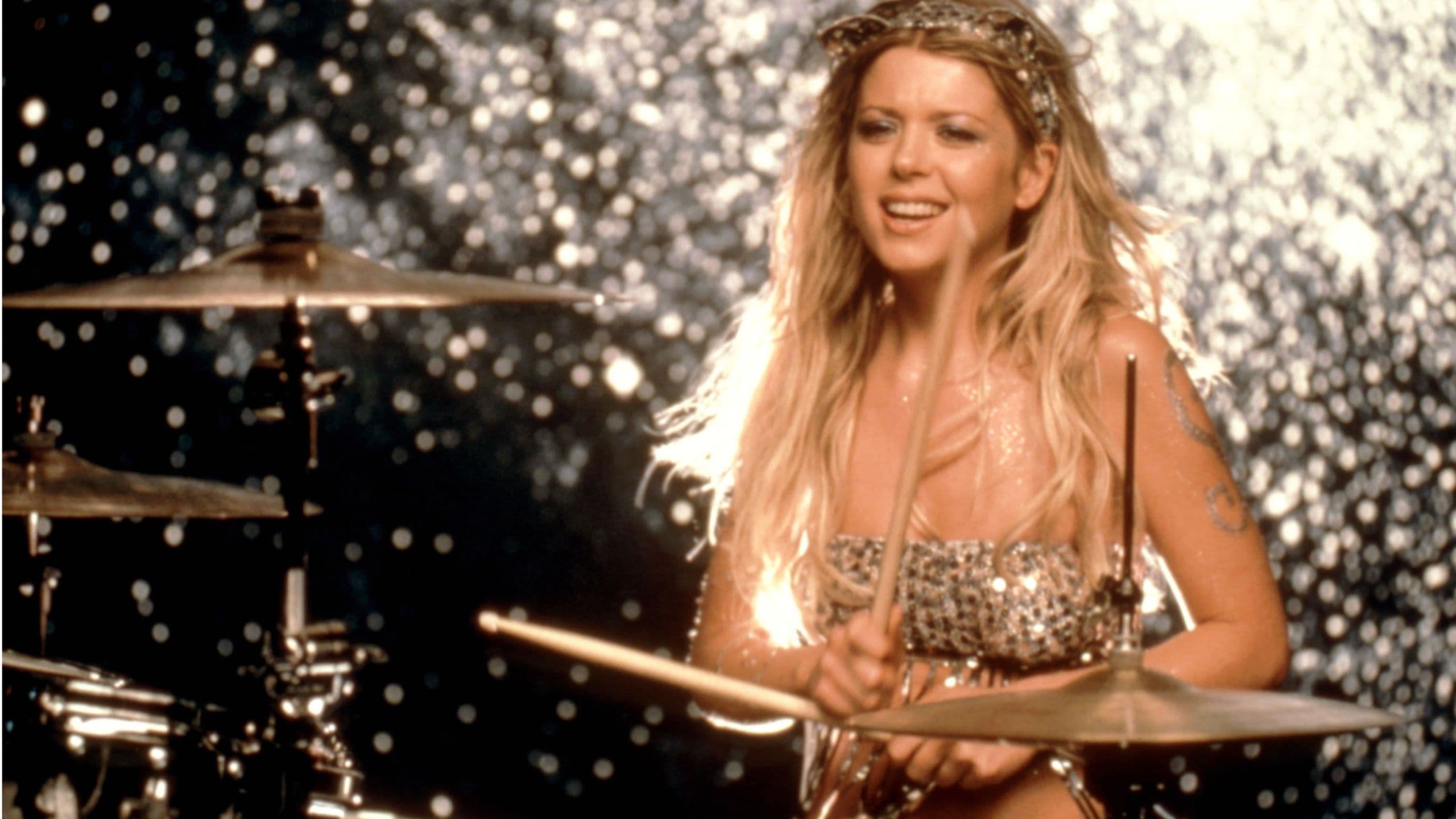
- Melody Valentine (played by Tara Reid): The bubbly and often naive member of the band, Melody provides comic relief while also representing the audience's perspective on the music business.
- Valerie Brown (played by Rosario Dawson): The level-headed and intelligent member of the group, Valerie often serves as the moral compass, reflecting the importance of staying true to oneself amidst the chaos of fame.
- Alan M (played by Gabriel Mann): Josie’s love interest, Alan represents the supportive partner who encourages her through her trials and tribulations.
- Fiona (played by Parker Posey): The antagonist who symbolizes the corporate puppet masters in the music industry, Fiona's character underscores the manipulation and greed prevalent in show business.
These diverse characters bring a range of emotions and perspectives, engaging viewers on multiple levels as they navigate the ups and downs of fame.
Ending or Latest Episode Explained
Based on available public metadata, the film culminates in a drastic showdown between the band and the forces that seek to manipulate their success. Ultimately, Josie and her friends reclaim their autonomy, reinforcing the idea that true artistry cannot be manufactured. The ending resonates with universal themes of friendship, loyalty, and the quest for authenticity, encouraging viewers not only to watch but to reflect on their own aspirations and the industry's influence.
What Could Happen Next
Though a sequel may not be in the works, the resurgence in discussions around "Josie and the Pussycats" raises questions about potential revivals or reimaginings. Given the current landscape of Hollywood, where nostalgic content often finds new platforms, one could speculate about the possibilities of a reboot or even a stage adaptation of the film. This would allow new audiences to engage with its themes, which remain relevant in today's celebrity-driven society.
Why This Is Trending
The film’s recent surge in popularity can be attributed to several factors:
- Nostalgia: As we move further into the 21st century, Millennials and Gen Z audiences are turning back to films from their childhood, creating a renewed interest in works that reflected pop culture during the early 2000s.
- Cultural Commentary: With social media's rise and the proliferation of influencers, the film’s satire of celebrity culture resonates more than ever. This renewed interest has been fueled by discussions on social platforms highlighting how the film's critiques align with modern issues of authenticity and consumerism.
- Streaming Accessibility: With the film now accessible on various streaming platforms, audiences old and new have the opportunity to revisit it, further amplifying its cult status.
- Community Engagement: The rise of fan blogs, social media campaigns, and online communities dedicated to dissecting and celebrating overlooked films has contributed to the reevaluation of "Josie and the Pussycats."
Final Thoughts
As we reflect on the 25-year journey of "Josie and the Pussycats," it becomes apparent that its true value goes far beyond its initial box office statistics. Its evolution into a cult classic demonstrates the power of pop culture to influence and comment on societal trends. While the film initially struggled to find its audience, it has emerged as a beacon of insight, providing entertaining yet thought-provoking commentary on the ever-evolving nature of fame and the music industry. This unique journey serves as a reminder of how perceptions can change over time, and how even the most misunderstood productions can eventually earn their rightful place in cinematic history.