Godzilla
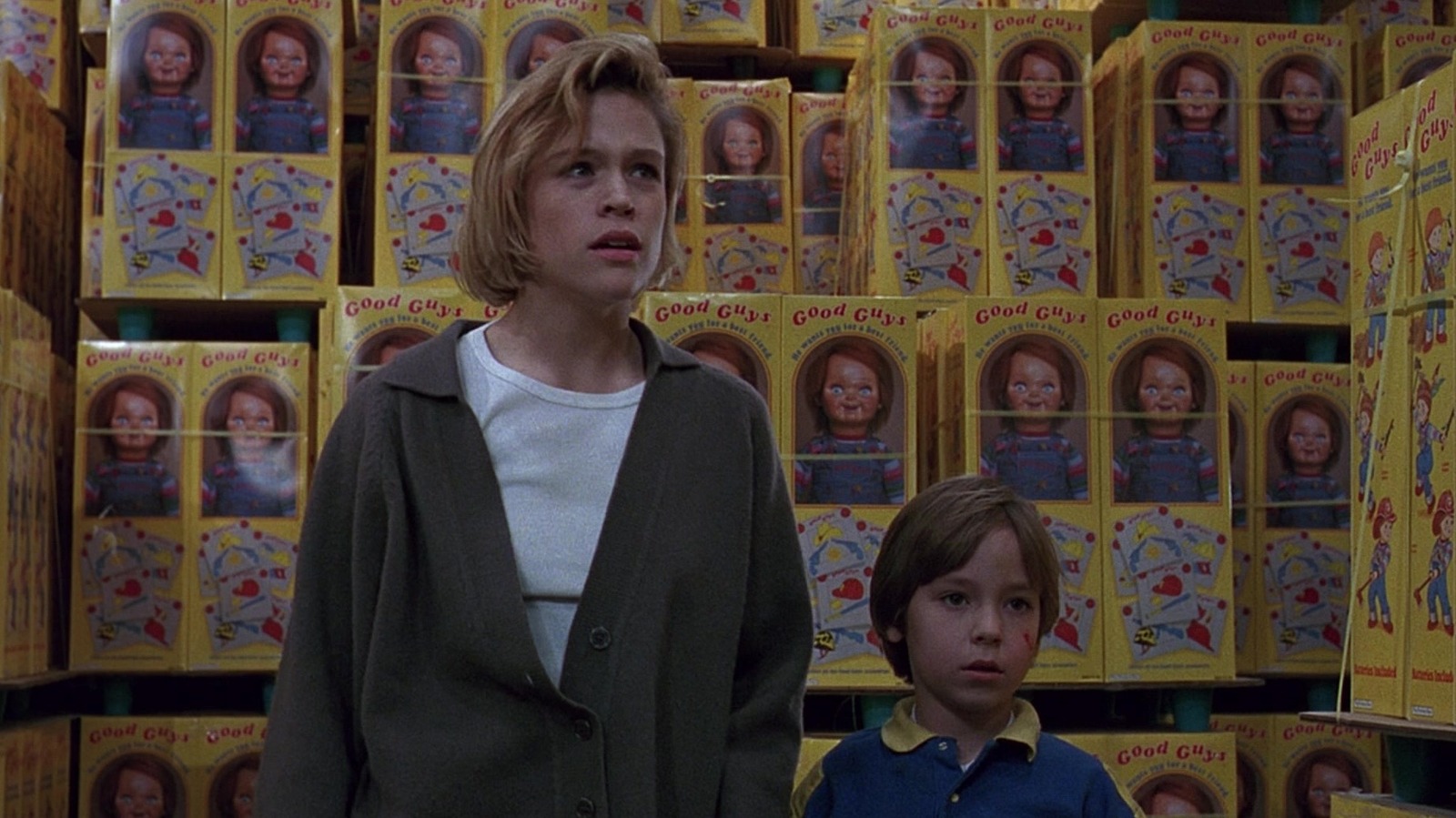
Exploring the Child's Play Franchise on Netflix
Dive into the themes, character choices, and plot developments of the 'Child's Play' franchise now streaming on Netflix.
Dive deep into the enduring themes, character complexities, and cinematic legacy of 'Interview with the Vampire'.
In simple terms, the central question of "Interview with the Vampire" revolves around the nature of immortality and the existential struggles that accompany it. The film poses the query: What does it truly mean to live forever, and at what cost? In answering this, the narrative leads viewers through a labyrinth of moral dilemmas and emotional desolation, ultimately revealing that eternal life may be more of a curse than a blessing.
The storyline is marked by pivotal moments that further explore the cost of immortality. Early in the film, Louis, portrayed by Brad Pitt, grapples with the moral ramifications of being a vampire following his transformation. His relationship with Lestat, played by Tom Cruise, highlights the stark contrast between indulgence and restraint. Louis's reluctance to embrace his vampiric nature presents a critical turning point, exposing his deep-seated moral compass, which rebels against the sanguinary lifestyle Lestat embodies.
Conversely, Lestat embraces the thrill of their existence, placing a significant emphasis on the pleasures of immortal life. This juxtaposition becomes a thematic cornerstone that drives the narrative, engaging viewers in Louis's internal conflict as he navigates love, loss, and the perpetual pursuit of meaning in their eternal existence.
Another crucial theme evident in the film is the complexity of relationships amid the backdrop of immortality. The introduction of Claudia, a child turned into a vampire, expands this analysis. Her presence catapults Louis into a paternal role, which complicates his already fraught relationship with Lestat. Claudia’s fierce spirit and eventual rebellion against her limitations as a child trapped in an immortal body add layers to the narrative and insights into the struggle for autonomy and identity.
Claudia’s arc contributes to a lingering sense of tragedy within the vampire lore, as her desire for freedom from her eternal juvenile form reflects the broader human conflict with aging and societal expectations. This cycle of longing and despair emphasizes the theme that time affects all beings, albeit in drastically different ways for vampires.
The pervasive themes of regret and profound loneliness are interwoven throughout the film. As Louis and Claudia navigate their immortal lives, they become increasingly isolated in their despair. Louis's introspection leads him to reflect on the meaninglessness of existence without true emotional connections. His internal struggle is encapsulated in the various scenes where he either longs for humanity or indulges in fleeting connections, only to experience the pain of loss anew.
Meanwhile, Lestat’s charismatic, yet hedonistic approach often alienates those around him, serving as a commentary on superficial relationships built on desire rather than genuine connection. The film suggests that immortality comes at the price of unending sorrow, as those who cannot embrace their nature will find themselves wrestling with an insurmountable void.
As the narrative approaches its conclusion, Louis's reluctance to accept his fate culminates in a haunting revelation about the eternal consequences of vampirism. The ending resonates with earlier moments where Louis repeatedly contemplates the nature of his existence, ultimately leading him to a path of seeking redemption through storytelling. His words haunt audiences, framing the narrative as a cautionary tale about the pursuit of immortality and the emotional turmoil that accompanies it.
While the film's audience may interpret the conclusion in various ways, it underscores the idea that despite the pretentious glamor often associated with vampire lore, there lies a deep and troubling truth: immortality is a burdensome, isolating reality riddled with loss and regret. This ending reinforces the intricacies of lifelong relationships, revealing that life, regardless of its duration, is enriched by the connections we forge.
"Interview with the Vampire" has carved a significant niche within the realm of vampire cinema and literature, blending classic gothic elements with modern sensibilities. As it returns to audiences in 4K UHD, enthusiasts can anticipate experiencing its lush cinematography and atmospheric storytelling like never before. With never-before-seen deleted scenes, this re-release presents an opportunity to explore further the depths of the characters and their intertwined destinies.
The film not only established a new paradigm for vampire narratives but also laid the groundwork for a more profound examination of themes like identity, morality, and the existential musings of immortality. It remains a cornerstone for future adaptations and stories within the genre, compelling audiences to question their perceptions of life, death, and everything in between.
In summary, "Interview with the Vampire" remains a powerful exploration of the human condition, even through the lens of vampires. Its profound themes of immortality, complex relationships, and the dark consequences of endless life continue to resonate today, ensuring its status as a cinematic classic. As audiences prepare to rediscover this rich narrative in its upgraded format, they are reminded once more that every tale, no matter how fantastical, reflects an essential truth about our own lives and the deeper questions we ponder.
Movie explanation
EpisodeBreakdown may use automated tools to assist research, drafting, and formatting. Published pages are governed by our editorial and corrections policies, and source links are shown when they are available in the article record.
Discovery source: Bloody Disgusting. The source identifies where the topic was discovered; EpisodeBreakdown is responsible for the commentary published on this page.
Reader response
Reactions and poll results are based on real reader responses. No account is required.
A deep dive into 'Godzilla Minus Zero', exploring its major themes, character decisions, and narrative progression leading to the climax.