Bear McCreary Explores Music's Role in Storytelling Across Mediums
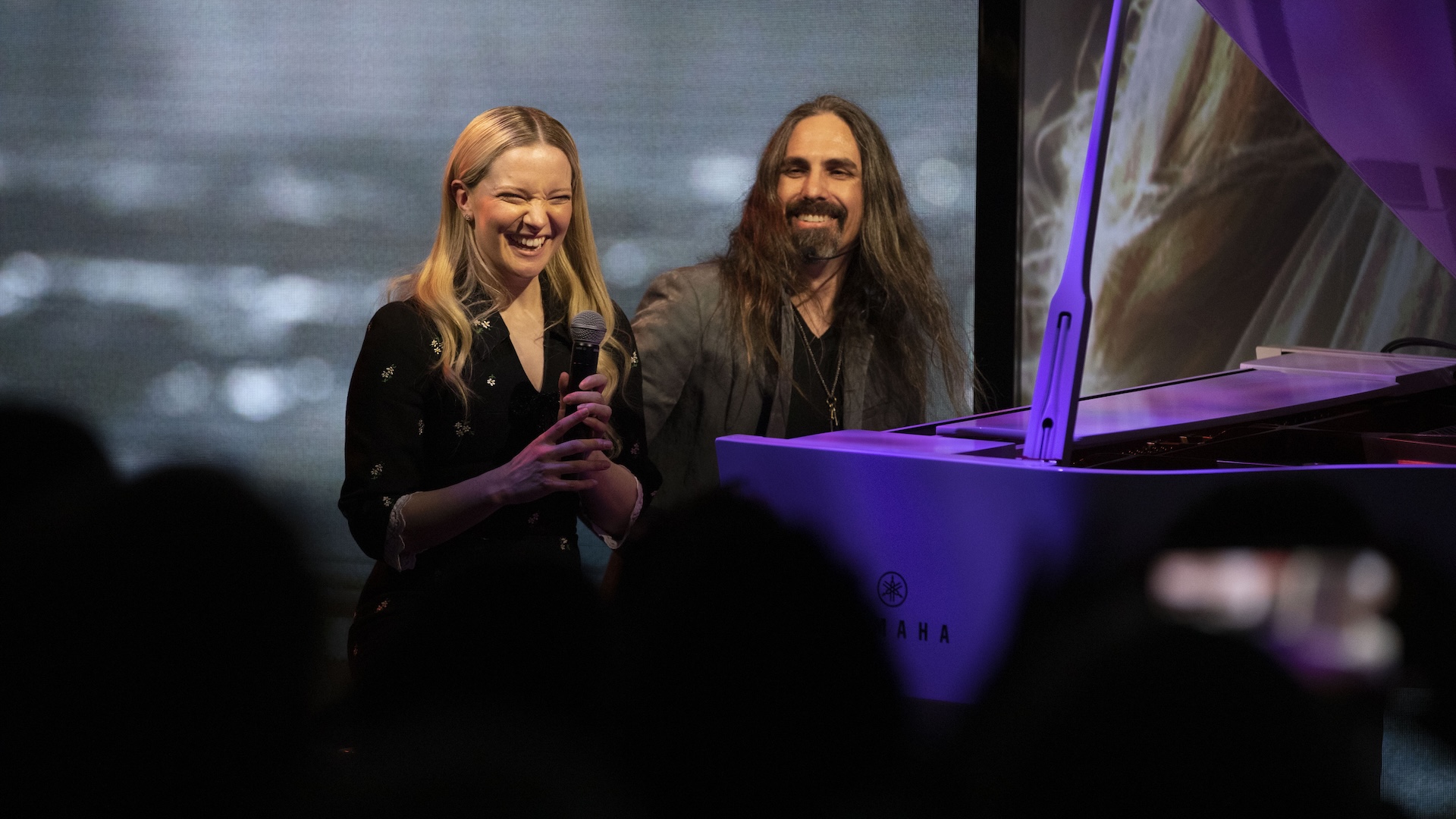
Bear McCreary delves into his musical inspirations and the significance of scoring in storytelling across film and gaming.
Explore the themes, character decisions, and lasting impact of the 1988 remake of The Blob, a horror classic that reshaped expectations.
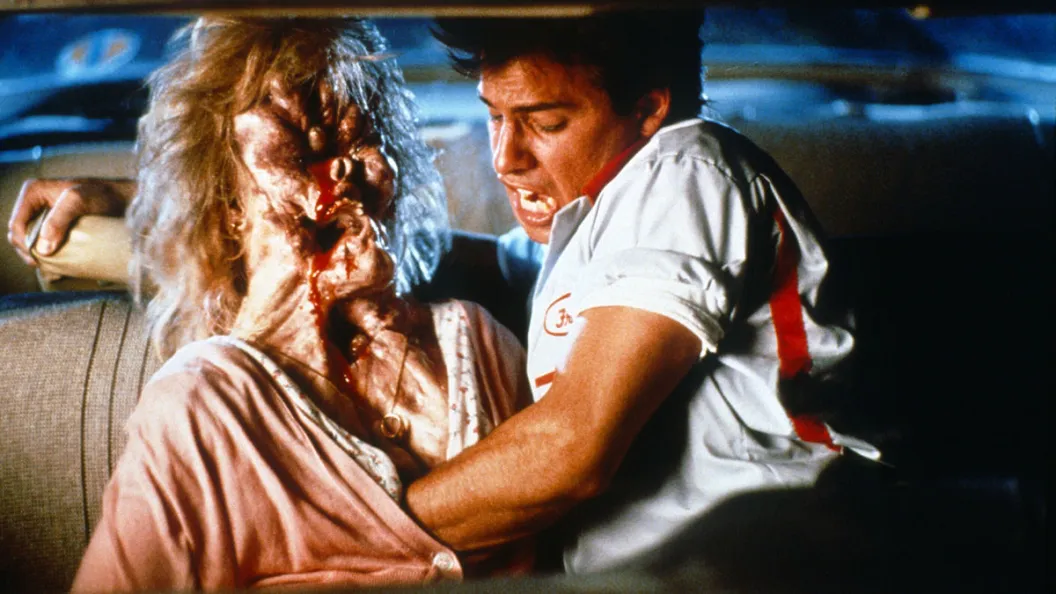
In simple terms, the central question surrounding the 1988 remake of The Blob is whether it successfully revitalizes a classic B movie while infusing modern horror elements. The answer is a resounding yes. Directed by Chuck Russell, this version not only enhances the original’s themes of terror and societal fears but also showcases impressive special effects, making it noteworthy in the horror genre.
Released on August 5, 1988, The Blob is a remake of the 1958 film, which has gained cult status over the years. The original featured a simple storyline where a mysterious meteorite crashes in a small town, unleashing a gelatinous monster that devours its victims, including a young Steve McQueen. The remake takes this premise and amplifies the horror elements, transforming what was previously a campy experience into a visceral exploration of body horror and human vulnerability.
At its core, The Blob remains faithful to the framework established by its predecessor. Both films depict an alien entity that consumes everything in its path while a group of teenagers scrambles to convince the adults of the imminent threat. However, Russell’s adaptation offers a more grotesque view of destruction. The body's dissolution plays a prominent role, exemplified in scenes like the horrifying liquefaction of a teenage victim. This visceral approach marks a significant departure from the original’s less graphic depiction of horror.
The remake of The Blob excels in visual storytelling. Chuck Russell and makeup artist Tony Gardner collaborated to create some of the most memorable and stomach-churning effects of the era. These gruesome visuals serve a dual purpose; not only do they heighten audience tension, but they also serve as an allegory for societal fears. The threat of a consuming, uncontrollable force reflects anxieties surrounding conformity, loss of individuality, and the struggle against ignorance. The visual representation of this horror through the Blob strengthens the thematic depth and delivers a critique of societal alienation.
The characters in the 1988 The Blob emerge as more fleshed-out counterparts compared to the original film. The protagonist, played by Shawnee Smith, provides a more assertive representation of female characters in horror. Her journey from a seemingly ordinary teen to an empowered fighter against the Blob echoes the transformative arcs typical in modern remakes. This character evolution aligns with evolving gender dynamics in cinema, signaling a shift toward more complex portrayals of women in horror.
Russell’s remake triumphs by reimagining key scenes, such as the Blob attack in a movie theater. While the original film introduced this concept playfully, the 1988 iteration approaches it with earnest dread. The Blob wreaks havoc, heightening the existential fear of being trapped in a space filled with people, emphasizing both the chaos of mass panic and individual helplessness. It captures the essence of fear even in a populated, supposed safe space, showcasing how horror can strike anywhere, anytime.
The remake concludes with an open-ended twist, teasing possibilities of further narratives. However, despite its positive reviews, the film did not perform well at the box office, earning only $8 million against a $10 million budget. The failure to yield a sequel leaves audiences disappointed, especially given the film's potential for continued storytelling. Yet this could also be interpreted positively; had a sequel been made, it might not have lived up to the original’s freshness and innovation.
Despite its shortcomings in commercial success, The Blob stands as an impactful reflection of its time. Like many horror films of the late 1980s, it places a keen focus on societal fears, environmental issues, and the fragility of human existence within a world steadily becoming more chaotic. Watching the film today not only offers entertainment but also provides insight into underlying cultural anxieties from that era.
Ultimately, the 1988 remake of The Blob exemplifies how a horror movie can be effectively reimagined to explore new themes while respecting the original’s legacy. As with many successful remakes, it expands upon existing narratives while introducing viewers to fresh perspectives on timeless fears, making it a cult classic that resonates with both historical and contemporary audiences. For those interested in horror cinema's evolution, the film remains a crucial study in adapting beloved tales for new generations. As we sift through the layers of its production and themes, one cannot help but wonder if we will ever see a new chapter for The Blob in the future.
For those intrigued by the ramifications of film remakes and their societal implications, consider exploring other work that delves into these themes, such as Pan’s Labyrinth and the horror of Godzilla. Their narratives also highlight societal fears and individual struggles against greater powers, echoing the sentiments found in The Blob.
Movie explanation
EpisodeBreakdown may use automated tools to assist research, drafting, and formatting. Published pages are governed by our editorial and corrections policies, and source links are shown when they are available in the article record.
Discovery source: ComicBook.com. The source identifies where the topic was discovered; EpisodeBreakdown is responsible for the commentary published on this page.
Reader response
Reactions and poll results are based on real reader responses. No account is required.